From the file. Written for the paper dated May 1989. Opened in the public stacks July 14, 2026.
As the nation grapples with a wave of labor strikes, it is becoming increasingly clear that both sides of the political spectrum are guilty of selective memory when it comes to labor rights and economic justice. This week, workers across various sectors have taken to the picket lines, demanding fair wages and better working conditions, yet the responses from both right and left reveal a troubling trend of hypocrisy.
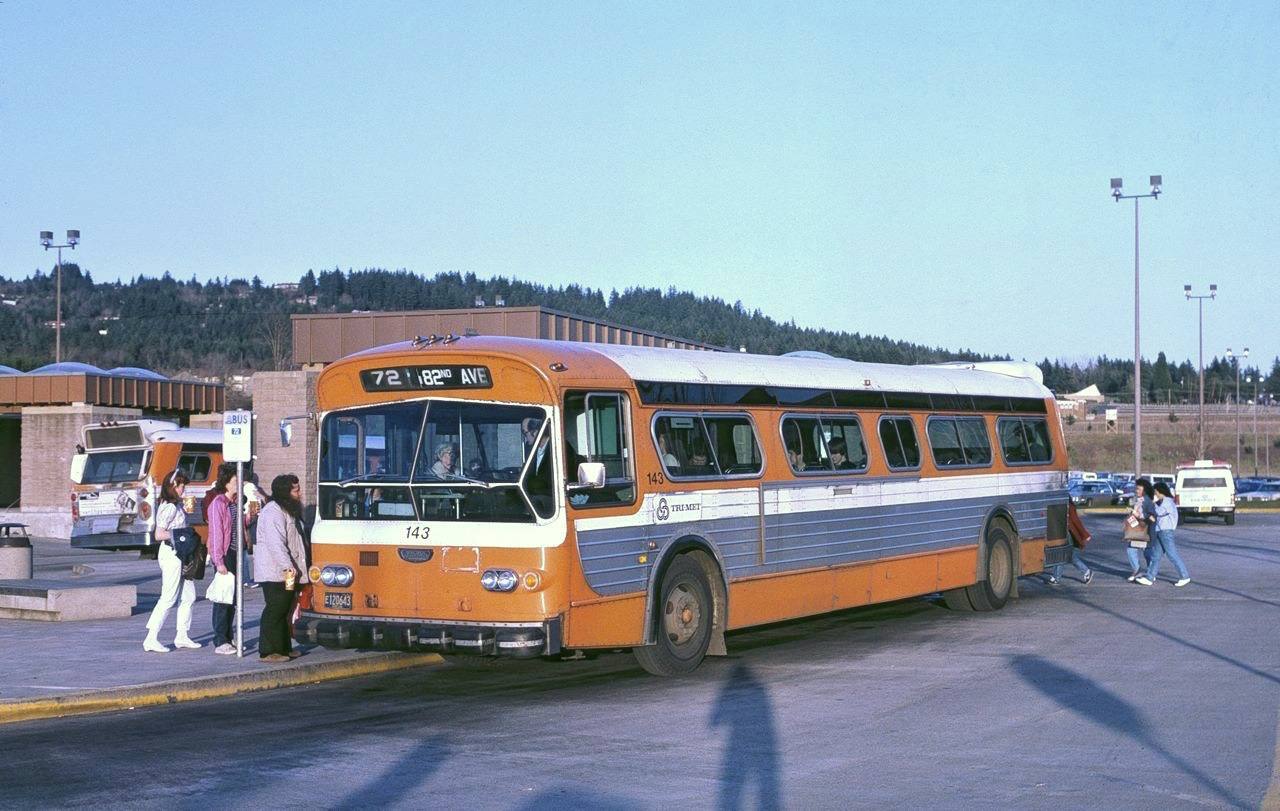
The Landscape of Labor Strikes
From teachers in New York to steelworkers in Pennsylvania, the current strike wave showcases the growing discontent among American workers. Unions are mobilizing their members, and public support seems to be on the rise. Yet, the dialogue surrounding these strikes often diverges sharply along ideological lines, revealing how both conservative and progressive factions conveniently forget their own histories with labor issues.
On one hand, the right has historically championed free-market principles while simultaneously ignoring the needs of working-class Americans. Just a few decades ago, many conservatives argued that unions were detrimental to industry by driving up costs and fostering inefficiency. Fast forward to today, and we find the same voices condemning strikes as disruptive and unpatriotic, while conveniently overlooking their past support for policies that eroded workers' bargaining power.
Meanwhile, the left, which has long positioned itself as the defender of labor rights, has also engaged in selective memory. The Democratic Party's embrace of corporate interests in recent years has led to a dilution of its commitment to the working class. Politicians who once rallied against corporate greed now find themselves cozying up to big business, often sidelining the very unions that helped them gain power. This double standard raises questions about the sincerity of their current support for striking workers.
“Both parties have become so entrenched in their own narratives that they fail to see the real struggles of the American worker.”
Consequences of Selective Memory
The consequences of this bipartisan selective memory are significant. Workers who are striking for fair treatment often find themselves caught in a political tug-of-war where their needs are overshadowed by the larger ideological battles. The media narrative shifts from the struggles of the workers to the political implications of the strikes, leaving little room for genuine dialogue about labor rights.
As union leaders address their members, they often emphasize the importance of solidarity and collective bargaining. However, political rhetoric tends to frame these strikes as partisan issues rather than as crucial moments for worker empowerment. The right paints the striking workers as troublemakers, while the left risks alienating its base by not fully committing to the cause of labor. This creates a frustrating cycle where workers’ voices are drowned out by political posturing.
The irony is palpable. The very system that both parties claim to champion - the American economy - is the same system that is failing its workers. Strikes are not merely about wages; they are about dignity, respect, and the right to a voice in the workplace. Yet, as both sides engage in their selective memory games, they miss the opportunity to address the root causes of these labor disputes.
Looking Ahead
As we move deeper into this labor dispute season, it is crucial for both sides of the political aisle to confront their own histories and embrace a more honest dialogue about labor rights. The American worker deserves better than to be a pawn in a political game. They deserve to have their voices heard without the filter of partisan agendas.
It is time for politicians to step back from their entrenched positions and recognize the humanity of the workers who are fighting for their rights. A true commitment to the labor movement will require acknowledging past mistakes and moving forward with a renewed dedication to the principles of fairness and justice in the workplace.
✦ ✦ ✦