From the file. Written for the paper dated April 1989. Opened in the public stacks July 14, 2026.
As the debate surrounding nuclear energy continues to intensify, a closer examination of nuclear plant inspections reveals a quiet failure of oversight that could have profound implications for public safety.
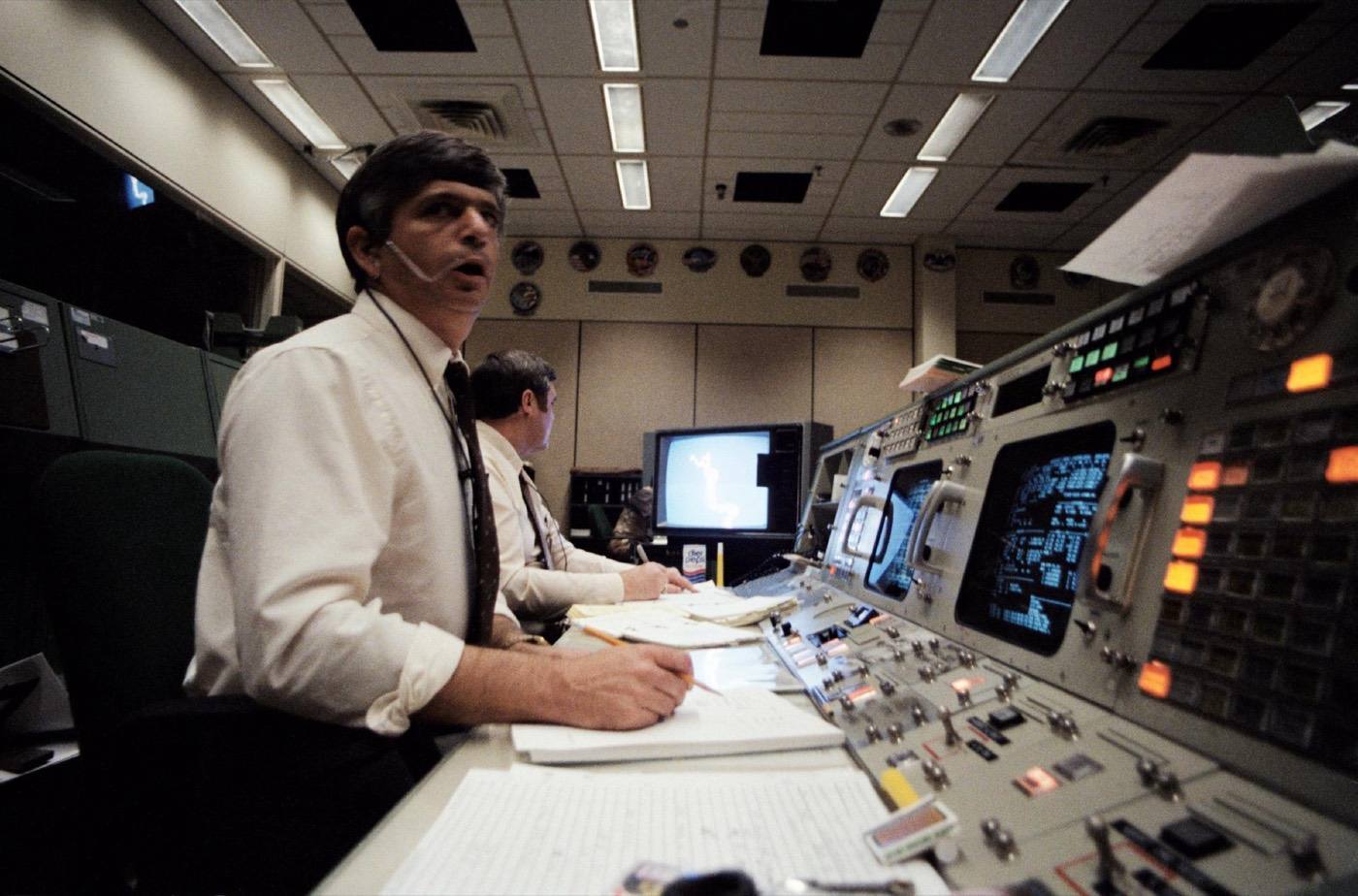
Nuclear Energy: A Double-Edged Sword
Nuclear power has long been hailed as a clean and efficient energy source, promising to reduce reliance on fossil fuels while minimizing harmful emissions. However, the inherent dangers associated with nuclear energy - particularly the potential for catastrophic failure - demand rigorous oversight and inspection. As we delve into the inspection protocols currently in place, it becomes clear that the system may not be as foolproof as many had hoped.
The Role of the Nuclear Regulatory Commission
At the heart of nuclear plant oversight in the United States is the Nuclear Regulatory Commission (NRC). Established in 1975, the NRC is responsible for ensuring that nuclear facilities comply with safety standards and operate within regulatory guidelines. However, recent reports suggest that the NRC's inspection regime may be more lenient than necessary, raising concerns about the adequacy of safety measures in place at nuclear plants across the nation.
"The safety of our nuclear plants cannot be taken for granted; we must demand accountability and transparency from those in charge."
Inspection Protocols Under Scrutiny
The NRC conducts routine inspections of nuclear plants, but the frequency and thoroughness of these inspections have come under fire. Critics argue that the NRC has become overly reliant on self-reporting by the nuclear industry, which can create a conflict of interest. When plant operators are tasked with monitoring their own compliance, the potential for oversight failures increases significantly.
Furthermore, the NRC's inspection reports often lack detail, making it difficult for the public to understand the true state of safety at these facilities. In some instances, inspections may only occur once every few years, leaving long gaps where potential issues could go unnoticed. This raises the alarming question: how can we ensure the safety of our nuclear plants if inspections are infrequent and lack transparency?
The Consequences of Inadequate Oversight
The stakes are undeniably high. A failure at a nuclear plant can have catastrophic consequences, as demonstrated by the chilling events at Three Mile Island in 1979. While significant improvements have been made in safety protocols since then, the complacency surrounding inspections raises the risk of another disaster. The recent history of near-misses at nuclear facilities underscores the urgent need for reform in inspection practices.
Political Pressures on Oversight
The political climate surrounding nuclear energy has also complicated oversight efforts. While proponents of nuclear power argue for its benefits, critics warn of the inherent risks. This polarization has led to a reluctance to implement stricter regulations for fear of stifling the industry's growth. As a result, the NRC may be caught between a rock and a hard place, struggling to balance public safety with political pressures to maintain the status quo.
Both sides of the political spectrum have their excesses. On one end, pro-nuclear advocates often downplay risks, leading to a false sense of security among the public. On the other hand, those opposed to nuclear energy may exaggerate potential dangers, creating panic rather than fostering informed debate. This polarization distracts from the real issue at hand: the need for a robust and effective inspection regime that prioritizes safety above all else.
Moving Forward: A Call for Reform
The time has come for a reevaluation of nuclear plant inspection protocols. The NRC must adopt a more rigorous and transparent approach to inspections, including increased frequency and more comprehensive reporting. Additionally, an independent body should be established to oversee inspections and ensure that plant operators are held accountable for their safety practices.
Only through a concerted effort to improve oversight can we restore public confidence in nuclear energy as a safe and viable alternative to fossil fuels. The risks associated with nuclear power are real, and the consequences of complacency could be dire. It is imperative that we act now to safeguard our communities and the environment.
✦ ✦ ✦