From the file. Written for the paper dated March 1989. Opened in the public stacks July 14, 2026.
In the complex dance of modern industry, workplace injuries remain a sobering reality. This week, we take a closer look at the circumstances surrounding workplace injuries, weighing the interests of both laborers and employers in the quest for safety.

The Dual Faces of Workplace Safety
As we navigate through the shifting landscapes of labor and industry, the debate over workplace safety intensifies. On one side, we have the labor unions, advocating for stringent safety regulations to protect workers from preventable injuries. On the other, businesses are pushing back, arguing that excessive regulations stifle productivity and innovation.
In recent news, a surge in reported injuries in the manufacturing sector has reignited discussions about the adequacy of current safety protocols. While the United States Bureau of Labor Statistics reports a slight decline in overall workplace injuries, many workers still find themselves vulnerable in environments where conditions can be hazardous.
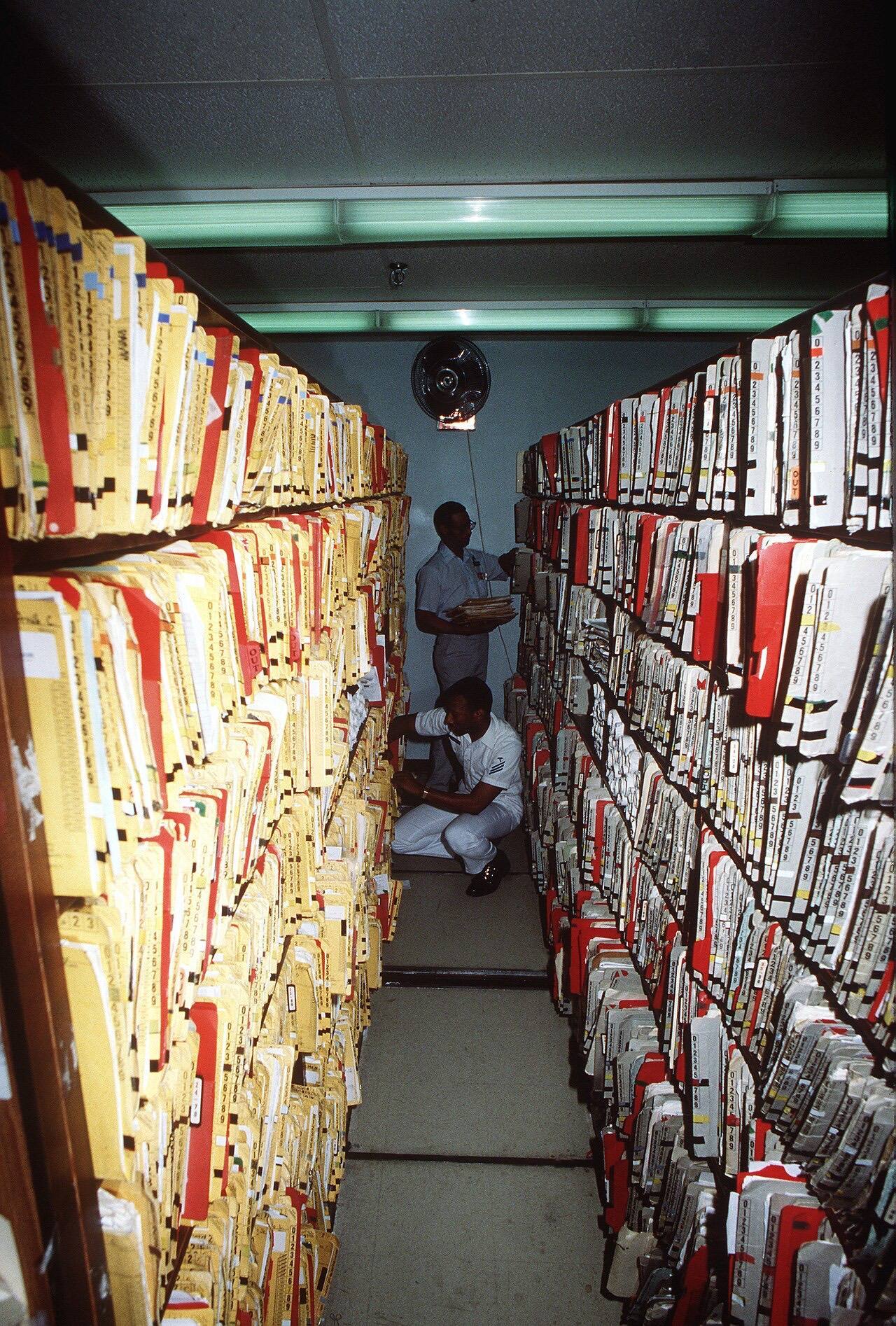
“Safety should never be a luxury; it is a right.”
Labor advocates emphasize the need for comprehensive training programs and enforcement of safety standards. They argue that many injuries, such as repetitive strain injuries, could be significantly reduced with better ergonomic practices and more awareness among employers about the long-term effects of workplace conditions. Yet, the push for reform often ignites fierce opposition from businesses concerned about the financial implications of such changes.
Business Concerns: A Balancing Act
Employers are not dismissive of safety concerns but often express frustration over what they perceive as excessive regulations. Many argue that the current safety standards are already stringent, and additional regulations would only serve to create unnecessary bureaucratic hurdles. They contend that a one-size-fits-all approach to safety may not account for the unique challenges faced by different industries.
Companies have increasingly begun to adopt their own safety measures, often going beyond what is mandated by law. However, the effectiveness of these measures can vary greatly, leading to a patchwork of safety practices across industries. Critics argue that without a unified standard, many workers remain at risk, particularly in sectors where compliance is less strictly monitored.
Voices from the Front Lines
To better understand the human impact of workplace injuries, we spoke with several workers who have experienced injuries firsthand. Their stories reveal the often-overlooked emotional and financial toll that workplace accidents can take on individuals and their families.
One worker, injured in a warehouse accident, described the challenges he faced not only in recovering from his injury but also in navigating the maze of workers' compensation claims. “It’s not just about getting hurt,” he said. “It’s about the stress of making ends meet while you’re unable to work. The system feels like it’s against you.”
His sentiments echo a common frustration among injured workers. Many feel that the bureaucratic processes surrounding workplace injuries can be as painful as the injuries themselves, leading to a sense of helplessness and despair.
The Path Forward
As the debate continues, the need for a balanced approach to workplace safety becomes increasingly clear. Striking a compromise between the rights of workers to a safe working environment and the need for businesses to operate efficiently is no easy task. Each side must recognize that their excesses can lead to detrimental consequences for the other.
To foster a more productive dialogue, both labor representatives and business leaders must come to the table with a shared goal: the well-being of the workforce. This means engaging in discussions that prioritize safety while also considering the economic realities that employers face.
Conclusion
As we conclude our examination of workplace injuries this week, it is important to remember that the lives affected by these incidents are not merely statistics. They are individuals with families and dreams, whose safety should never be jeopardized in the name of productivity. The challenge lies in finding a path that allows for both safety and progress.
✦ ✦ ✦