From the file. Written for the paper dated March 1989. Opened in the public stacks July 14, 2026.
In the wake of renewed scrutiny following the 1986 Chernobyl disaster, nuclear plant inspections have become a focal point of debate in both political and environmental circles. As the nation grapples with safety concerns, this week’s inspection reports reveal a complex landscape of compliance, oversight, and public perception.
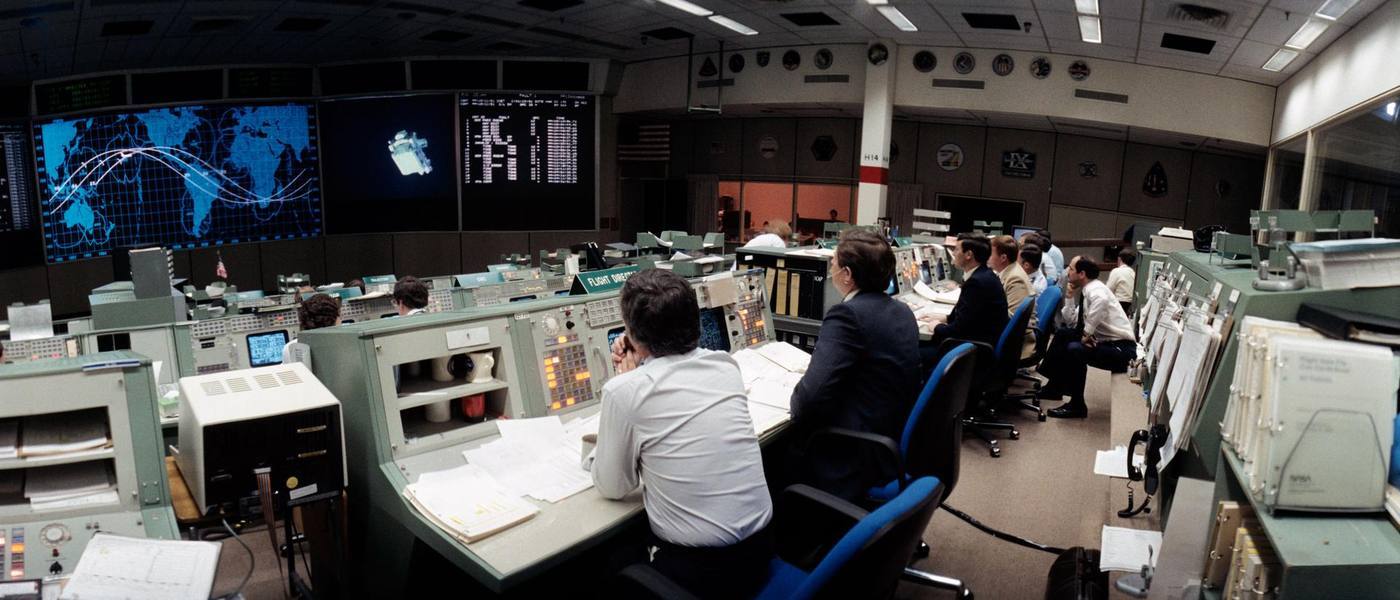
Inspection Reports: The Findings
This week, the Nuclear Regulatory Commission (NRC) released its latest findings from inspections conducted across various nuclear facilities. While many plants are reported to meet or exceed safety standards, several issues were flagged, particularly regarding maintenance protocols and emergency preparedness. The reports indicate that while significant strides have been made in safety, complacency remains a lurking threat.
"Safety cannot be compromised; complacency can lead to disaster." - NRC official
In particular, the inspection of the Millstone Nuclear Power Station in Connecticut highlighted concerns about outdated emergency response plans. Inspections found that many staff members were inadequately trained in emergency procedures, raising alarms among both regulators and local advocacy groups. The plant's management has since vowed to review and update these protocols, but the delay has left many residents feeling uneasy.
Political Reactions: Left and Right Responses
The political landscape surrounding nuclear energy is as polarized as ever. On the left, environmentalists are calling for stricter regulations and oversight, citing the potential risks associated with nuclear power. Groups such as the Sierra Club have ramped up their efforts to advocate for renewable energy sources, arguing that the dangers of nuclear energy far outweigh its benefits. Their rhetoric often paints a dire picture of a future where nuclear disasters could become commonplace if current practices continue.
Conversely, the right is pushing back against what they see as excessive regulation that stifles innovation and growth in the energy sector. Advocates for nuclear energy argue that it remains a vital part of the nation’s energy strategy, providing a significant portion of electricity while emitting far fewer greenhouse gases compared to fossil fuels. They assert that the focus should be on improving existing technologies and investing in new, safer nuclear solutions, rather than retreating from nuclear energy altogether.
Public Sentiment: A Divided Opinion
Public opinion on nuclear energy remains fractured. In communities near nuclear plants, residents express a mix of fear and reliance. Many acknowledge the importance of nuclear energy in providing consistent electricity but remain concerned about the safety of nearby facilities. Town hall meetings have become a venue for heated exchanges as local citizens demand transparency and accountability from both plant operators and government regulators.
Surveys suggest that while a majority of Americans recognize the need for clean energy, there is a significant hesitation regarding the safety of nuclear power. This ambivalence is further complicated by the media, which often sensationalizes incidents of safety breaches while downplaying the systemic improvements made in recent years.
Balancing Safety and Energy Needs
As discussions continue, the challenge remains: how to balance the need for energy with the imperative for safety. The NRC’s commitment to rigorous inspections is a positive step, but critics argue that without a cultural shift in how nuclear plants operate, the risk of oversight failure will persist. There are calls for more stringent penalties for non-compliance and a reassessment of what constitutes acceptable safety standards.
Moreover, the increasing public scrutiny may compel both the industry and regulators to adopt a more proactive approach to safety, rather than merely reacting to incidents as they arise. This week’s reports are a reminder that while improvements have been made, vigilance and responsibility must remain at the forefront of nuclear energy practices.
The Way Forward
The road ahead for nuclear energy is fraught with challenges, but it also offers opportunities for growth and innovation. As the industry pivots towards a future that incorporates lessons learned from past mistakes, it is crucial that all stakeholders - government agencies, energy producers, and the public - remain engaged in the conversation. Only through collaboration and a commitment to safety can the potential of nuclear energy be realized without jeopardizing public trust and safety.
✦ ✦ ✦