From the file. Written for the paper dated February 1989. Opened in the public stacks July 14, 2026.
As the nation grapples with the fallout from recent scandals, a deeper examination of the underlying processes that both facilitate and hinder accountability is critical. In a political landscape marked by partisanship, the true nature of scandal and process is often obscured by rhetoric and distraction.
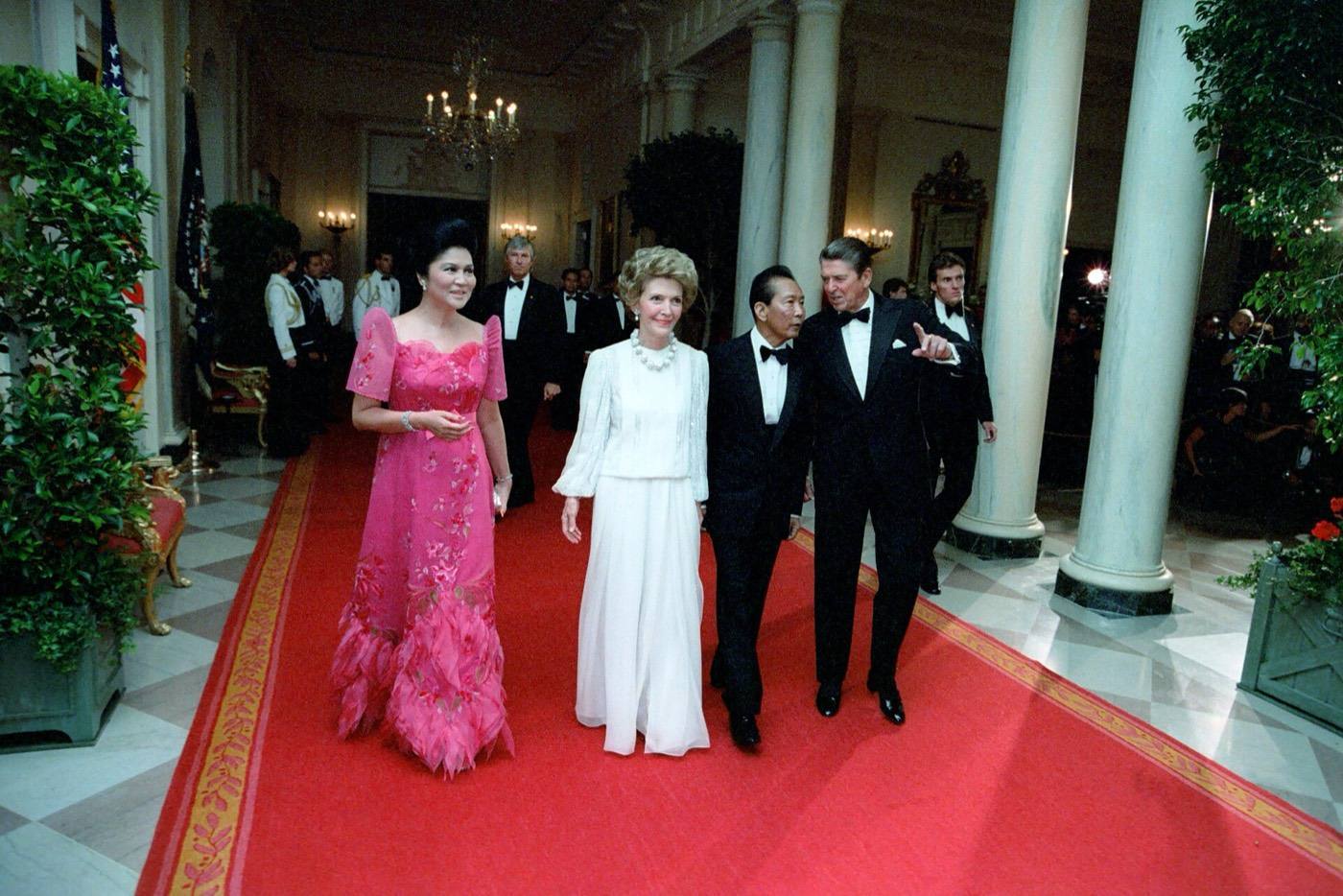
The Scandal at Hand
In recent weeks, the political arena has been rocked by allegations of misconduct among public officials. From questionable financial dealings to ethical breaches, these scandals have spurred outrage among constituents and have been fodder for numerous headlines. However, the real conversation that needs to be had is not merely about the allegations themselves but about the processes that govern how such scandals are addressed.
Partisan Pandemonium
Both sides of the political spectrum have taken to their respective trenches, using these scandals as weapons against one another. The left decries the moral failures of their opponents, while the right is quick to dismiss any accusations as politically motivated attacks. This tit-for-tat only serves to undermine the integrity of the process.
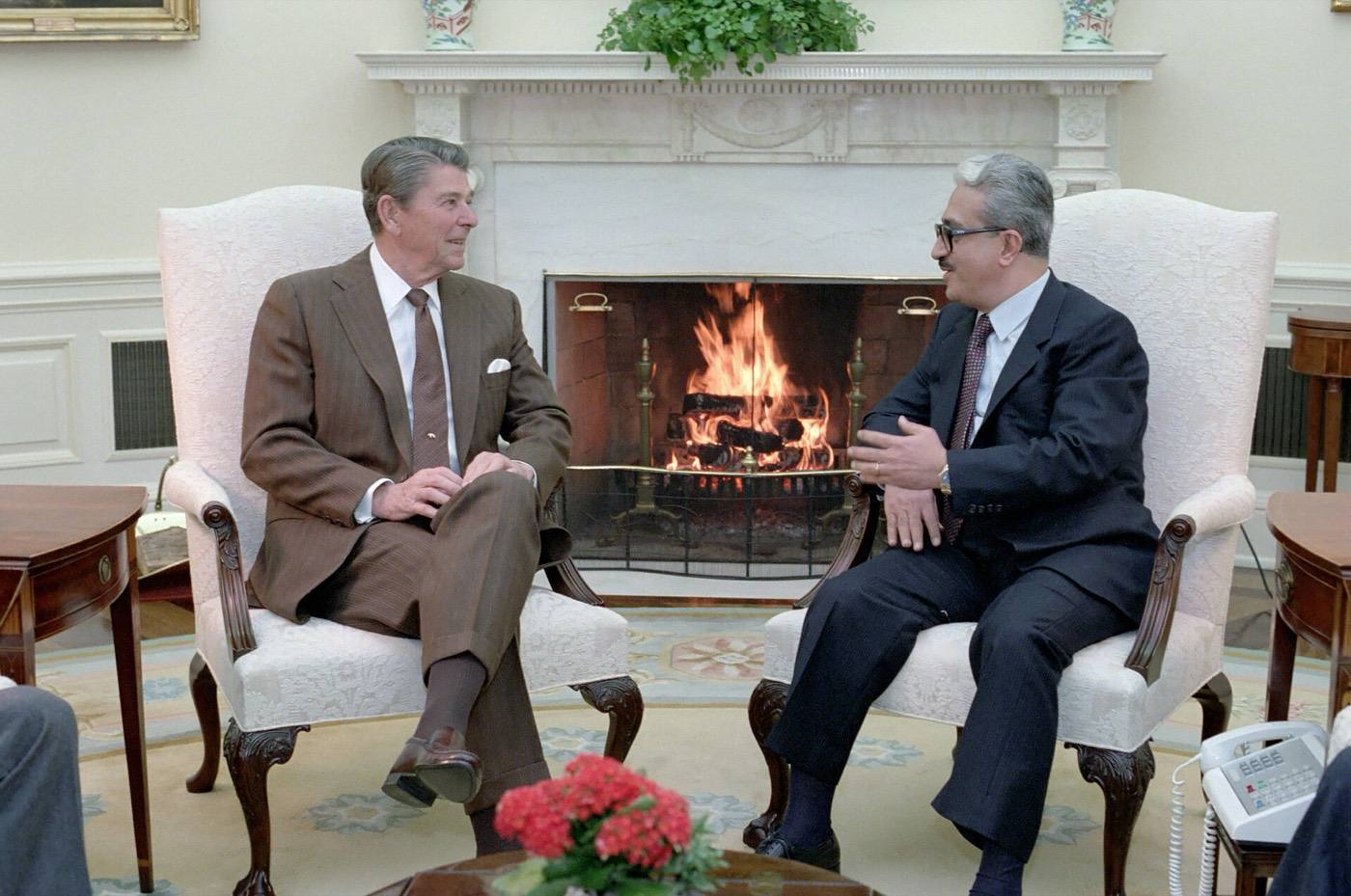
A scandal should not be an opportunity for political gain; it should prompt a serious examination of our governance.
Rather than fostering a culture of accountability and transparency, the current climate is rife with opportunism. Politicians on both sides are more interested in scoring points than fostering meaningful dialogue about the processes that allow such scandals to occur in the first place.
The Role of Media
The media landscape is equally complicit in this cycle of excess. While it is the duty of the press to report on scandals, we must question whether sensationalism has overtaken substance. Are we more interested in the spectacle of a scandal than in understanding the mechanisms that led to it? The rush to break news often results in stories that lack the necessary context, leaving the public with a skewed perception of the issues at hand.
Process Over Scandal
What is needed is a clearer understanding of the processes intended to hold public officials accountable. The systems in place are often labyrinthine and opaque, leaving citizens confused about how justice is served. The public deserves to know not just who is culpable but how the mechanisms of accountability work.
For instance, the ethics committees and oversight bodies designed to investigate allegations of misconduct can often be bogged down by bureaucracy and political maneuvering. When these bodies are perceived as ineffective, the public loses faith in the very systems meant to protect their interests. It is imperative that we scrutinize these processes and advocate for reforms that ensure greater transparency and responsiveness.
A Call for Bipartisan Cooperation
In this tumultuous environment, it is crucial for leaders on both sides of the aisle to come together and address these pressing issues. The excesses of partisanship only serve to cloud the real problems at hand. A cooperative approach to reforming processes for accountability can help restore public trust and ensure that scandals are met with appropriate responses rather than political gamesmanship.
Looking Ahead
The nation finds itself at a crossroads. As scandals emerge and political tensions rise, the responsibility lies not just with those accused of wrongdoing but also with the systems designed to hold them accountable. It is time to prioritize process over partisan gain, and to foster a culture of accountability that serves the interests of all citizens.
In summary, the current scandal should not just be a moment of outrage but an opportunity for reflection and reform. The processes that govern our political landscape must be scrutinized and strengthened to ensure that they can withstand the pressures of partisan conflict and truly serve the public good.
✦ ✦ ✦