From the file. Written for the paper dated February 1989. Opened in the public stacks July 14, 2026.
In the current political climate, scandal and process have become intertwined in a manner rarely seen before. Both the left and the right have found themselves at the forefront of a discourse that often prioritizes sensationalism over substance. As we delve deeper into this milieu, it is essential to scrutinize the very procedures that govern our political landscape.
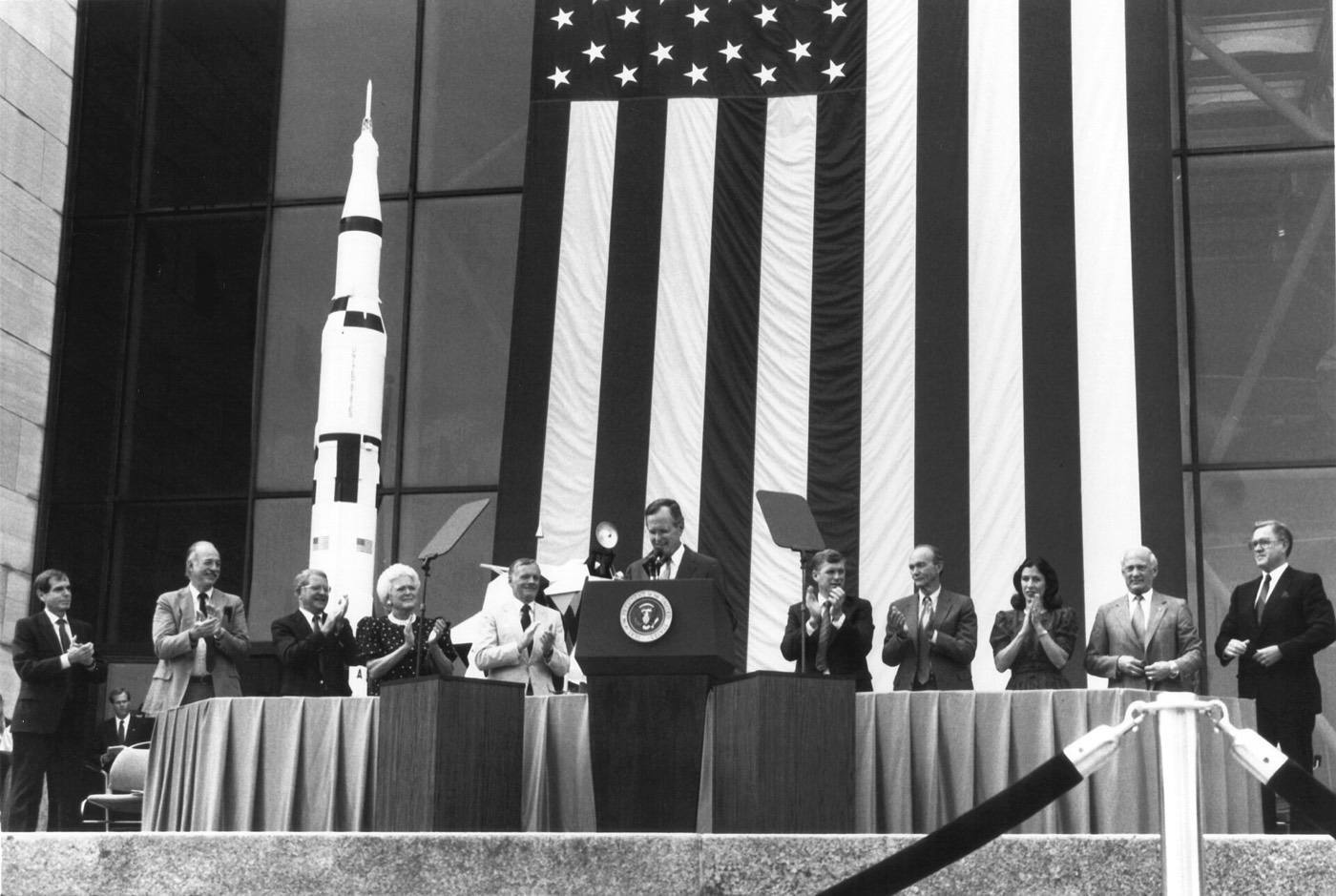
Scandals on Both Sides
The recent spate of scandals has unveiled the fragile state of trust in our political institutions. From accusations of corruption to allegations of misconduct, the narrative has become a battleground for partisan warfare. The left accuses the right of fostering an environment ripe for wrongdoing, while the right retaliates with cries of hypocrisy, pointing to the misdeeds of their opponents. This tit-for-tat has obscured the fundamental issue at hand: the processes that allow such scandals to flourish.
“While each side points fingers, the underlying process issues remain unaddressed.”
Both parties seem more interested in scoring political points than in addressing the systemic failures that have led to these scandals. On one hand, the left's focus on accountability often morphs into a witch hunt, where the pursuit of justice can overshadow the principles of due process. The right, on the other hand, often dismisses legitimate concerns as mere partisan attacks, refusing to engage in a constructive dialogue about the standards to which our leaders should be held.
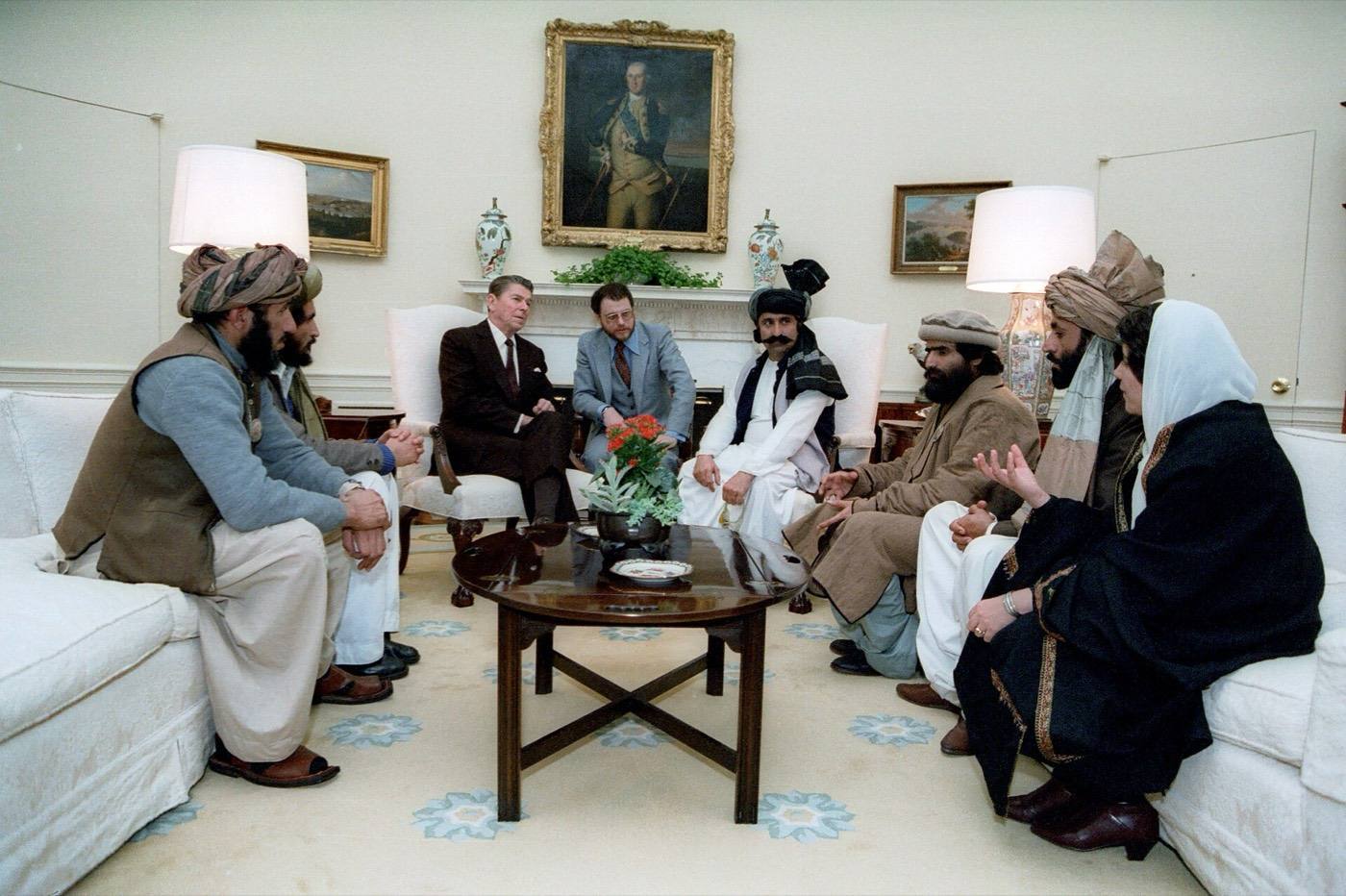
The Consequences of Excess
Excess on both sides has led to an erosion of public trust. The left’s moral superiority complex often alienates moderate voices who may agree with certain progressive ideals but feel disenfranchised by the extreme rhetoric. Meanwhile, the right’s relentless defense of its members, regardless of the evidence presented, creates a culture of impunity that further alienates the electorate. This polarization stifles meaningful discussion about the very procedures that govern our political system and the accountability measures that should be in place.
The Process We Need to Discuss
What is often lost in the chaos of scandal is the discussion surrounding the processes that underpin our democracy. For instance, the mechanisms for investigating allegations of misconduct are often insufficiently transparent, leaving the public in the dark about how decisions are made. Both parties must acknowledge that the procedures governing ethics investigations and accountability are in dire need of reform.
Moreover, the media's role in amplifying these scandals cannot be ignored. While it is crucial to hold politicians accountable, the sensationalist approach often taken by news outlets can exacerbate the problem. Rather than fostering an informed citizenry, such reporting can lead to a culture of fear and mistrust. This, in turn, impacts voter behavior, as citizens may feel disillusioned and disengaged from the political process altogether.
Seeking a Balanced Approach
To move forward, both parties must engage in a candid discussion about the processes that govern our political landscape. This means setting aside partisan politics to focus on establishing clear and fair procedures for addressing allegations of misconduct. The left must recognize that a rush to judgment can undermine the very accountability they seek to promote, while the right must understand that blind loyalty can lead to greater scandals down the line.
Conclusion: A Call for Reform
In this era of scandal and process, it is imperative that we prioritize a balanced approach that emphasizes accountability without sacrificing fairness. Both sides must recognize that the real enemy is not each other, but rather the processes that have allowed these scandals to proliferate. By focusing on reforming these procedures and fostering a culture of transparency, we can begin to restore trust in our institutions and pave the way for a healthier political discourse.
✦ ✦ ✦