From the file. Written for the paper dated January 1989. Opened in the public stacks July 14, 2026.
In a week of political upheaval, the true drama often lies beneath the surface, hidden within the machinery of government and the ceaseless churn of scandal. From Capitol Hill to the White House, the public is gripped by stories that often overshadow the more mundane yet critical processes that govern our nation.
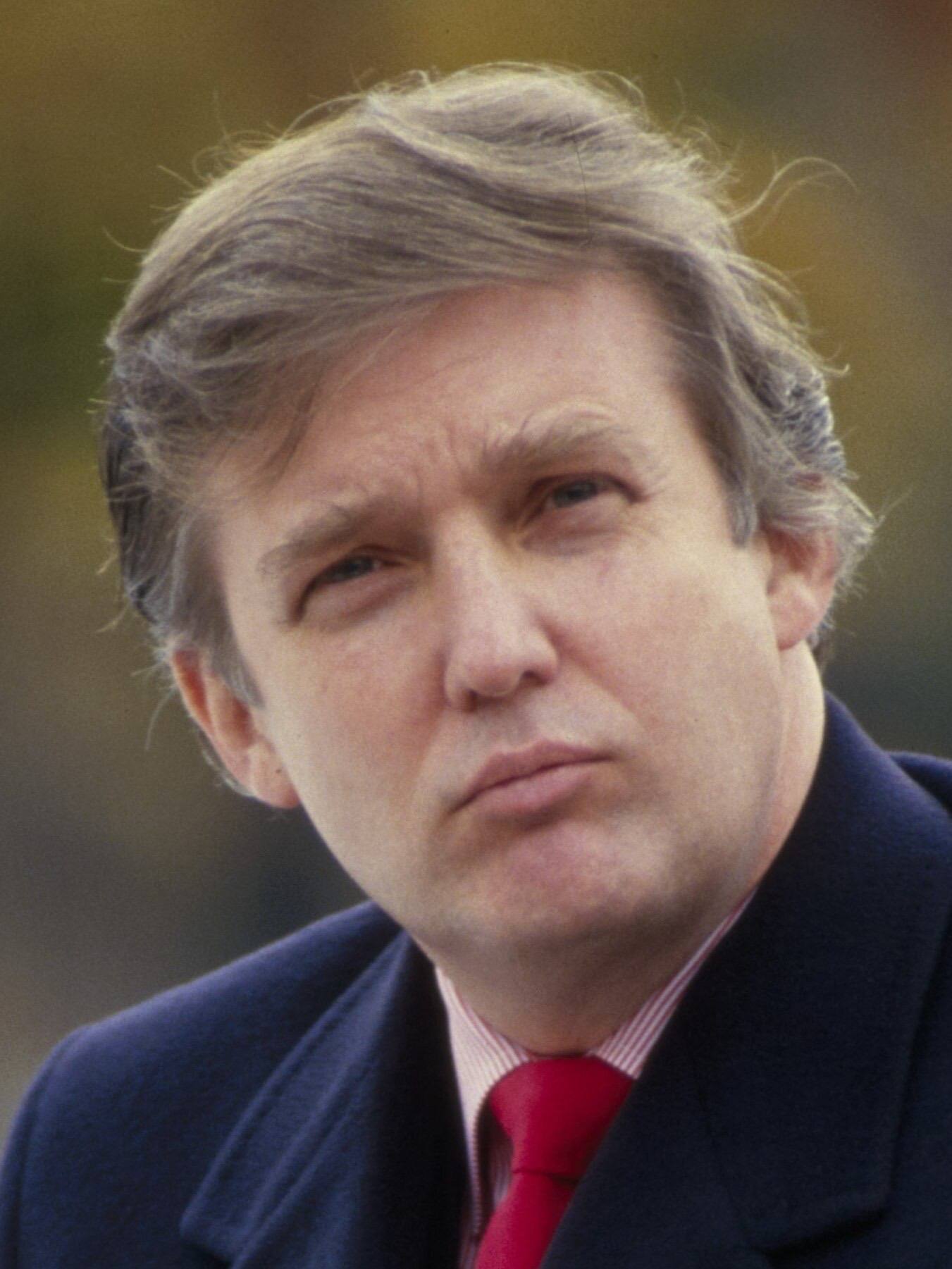
The Left's Overreach
As the new Congress convenes, the left finds itself at a crossroads. The fervor of progressive ideals is palpable, but so too is the risk of overreach. The Democrats, buoyed by their recent electoral successes, are eager to push a bold agenda. However, the challenge lies in balancing ambition with pragmatism. The calls for sweeping reforms on healthcare and education are noble but could alienate moderate voters, particularly in an era where fiscal responsibility is paramount.
“In their zeal to reform, the left must not forget the importance of consensus.”
The danger of unilateral action is compounded by the recent history of backlash against perceived excesses. The midterm elections of 1986 saw a resurgence of Republican power in the House, signaling a clear message from the electorate. As the new session begins, the Democrats must tread carefully, lest they ignite another wave of conservatism fueled by disillusioned voters.
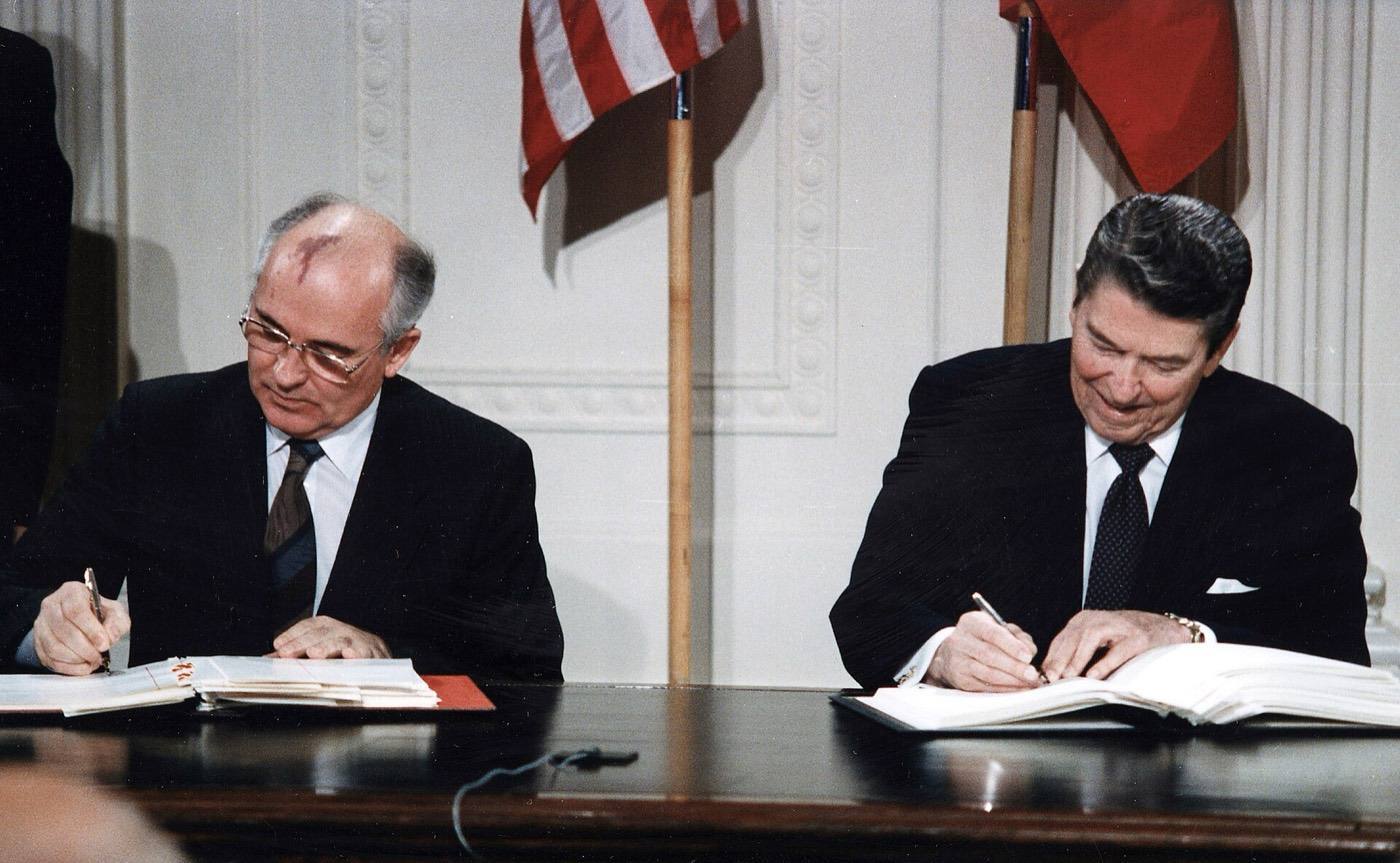
The Right's Rhetoric
On the other side of the aisle, the Republicans are grappling with their own challenges. The party is at risk of becoming too entrenched in its rhetoric, which can often border on fanaticism. The focus on tax cuts and deregulation, while appealing to a certain base, risks alienating those who prioritize social stability and community welfare. The recent government shutdowns and budgetary battles are illustrative of a party that has become too focused on its ideologies, distancing itself from the everyday concerns of the American people.
“A focus on ideological purity can lead to dangerous miscalculations in governance.”
The right must recognize that governance is about more than just winning arguments. It is about finding workable solutions to real problems. The emphasis on fighting the so-called “liberal agenda” can overshadow the need for constructive dialogue and cooperation. As we enter this new era, it is vital that the Republicans remember that they must govern for all, not just their most ardent supporters.
The Machinery of Governance
Amid these ideological battles, the mechanisms of governance continue to function, often unnoticed by the public eye. Committees are convening, bills are being drafted, and negotiations are underway. This is the unsung work that, while often unexciting, is crucial for the health of our democracy.
For instance, the Senate's budget committee is working tirelessly to address the federal deficit, a task that requires careful consideration and collaboration across party lines. The process may be slow and tedious, but it is during these discussions that the future of our economic policy is shaped. This is the foundation upon which effective governance is built, yet it often gets lost in the noise of partisan conflict.
The Role of the Media
As the media amplifies the loudest voices in the room, it is imperative to remember the importance of context. The sensationalism that often accompanies breaking news can overshadow the critical work being done behind the scenes. Coverage tends to focus on the dramatic moments, the resignations, the scandals, while the incremental progress made through bipartisan efforts goes unnoticed. This skew in reporting can distort public perception and lead to disillusionment with the political process.
In this climate, the media must act as a bridge between the public and the complex world of governance, providing insight into the processes that shape our nation and encouraging informed discourse. The public deserves to know that while the headlines may be dominated by scandal, there are dedicated individuals working diligently to ensure that democracy functions as it should.
✦ ✦ ✦