From the file. Written for the paper dated November 1988. Opened in the public stacks July 14, 2026.
As the dust settles on the recent State of the Union address, a glaring disparity emerges between the public claims made by our leaders and the realities reflected in the record. The political landscape is rife with both left and right excesses that warrant scrutiny.
Promises and the Reality Check
In the wake of President Reagan's address, we are met with an array of responses from both sides of the aisle. The Left, often quick to critique, has seized on claims about economic progress - claims that, while rooted in some truth, fail to capture the nuanced and often painful realities faced by many Americans. A statistic here, a positive trend there, but what of the millions who still struggle to make ends meet? The rhetoric of recovery falls flat when juxtaposed with the daily struggles of the working class.
Conversely, the Right champions these same statistics as evidence of a robust economic revival. Yet, this celebration is marred by a refusal to acknowledge the disparities that persist. The wealth gap is growing, and while certain sectors thrive, many remain left behind. The triumphalism exhibited by some conservative pundits, who paint a picture of an unstoppable American economy, neglects the hardships that define the lives of countless citizens.
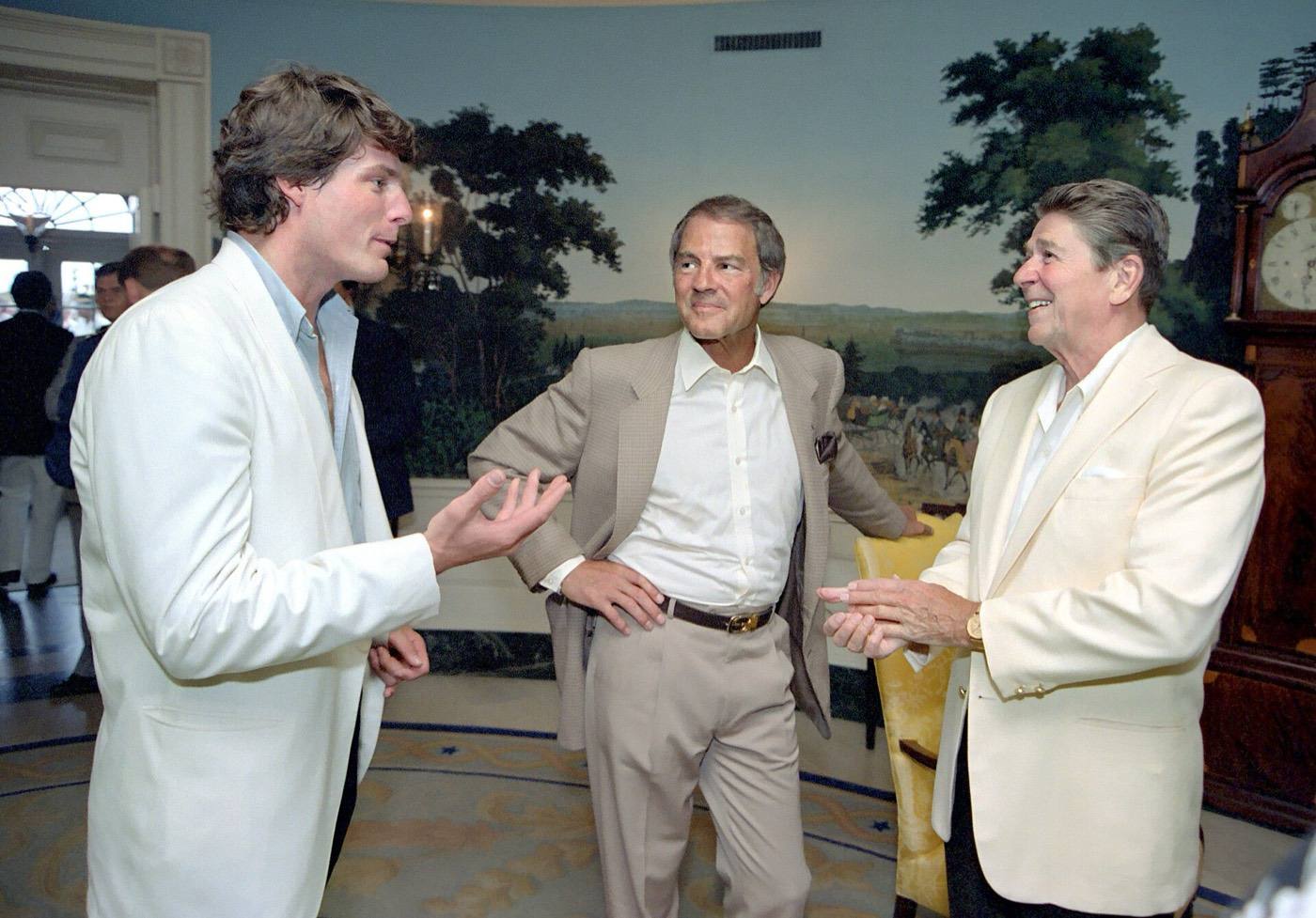
"Rhetoric of recovery falls flat when juxtaposed with the daily struggles of the working class."
Partisan Rhetoric: A Double-Edged Sword
The partisan divide in the aftermath of the State of the Union is palpable. On one end, Democrats decry what they describe as a reckless optimism that insulates the privileged from the realities of everyday Americans. They argue that the president's claims of a booming economy are little more than a smokescreen for policies that favor the wealthy. Yet, many on the Left appear to be equally guilty of hyperbole, painting a picture of despair that risks overshadowing any genuine progress achieved.
On the flip side, Republicans have been quick to dismiss critiques as mere sour grapes. They argue that the administration’s policies have paved the way for prosperity and that any dissent stems from an unwillingness to accept success. However, such dismissals overlook legitimate concerns regarding the welfare of the average citizen, leading to a dangerous oversimplification of complex socio-economic issues.
The Media's Role in the Narrative
As we dissect the aftermath of the State of the Union, we must also examine the role of the media in shaping public perception. Certain news outlets have become echo chambers, amplifying the extremes of each political faction. On one hand, we witness the Left-leaning media focusing on the negative aspects of the administration's policies, often overlooking the broader context. On the other hand, conservative platforms tend to gloss over the challenges many Americans face, instead choosing to celebrate any and all successes as monumental victories.
This media polarization serves to deepen the divide, creating an environment where constructive dialogue is overshadowed by sensationalism. The electorate is left to navigate a maze of conflicting narratives, often unsure where to turn for an accurate portrayal of the state of our nation.
"The electorate is left to navigate a maze of conflicting narratives."
Moving Forward: A Call for Accountability
As we move forward, it is imperative that both sides of the political spectrum embrace a more nuanced approach to the issues facing our nation. The time has come for leaders to step beyond the confines of partisan rhetoric and engage in honest discussions about the complexities of economic recovery. Acknowledging both successes and failures is not a sign of weakness but rather one of strength.
Moreover, the media must take responsibility for its role in shaping public discourse. A commitment to balanced reporting that transcends partisan lines will be crucial in fostering a more informed electorate. As citizens, we must demand this accountability from our leaders and the institutions that report on them.
Conclusion: Bridging the Divide
The aftermath of the State of the Union serves as a reminder that while progress is indeed being made, it is not universal. The claims made by our leaders must be scrutinized against the lived experiences of all Americans. Only through honest dialogue and a willingness to confront uncomfortable truths can we hope to bridge the divide and move toward a more equitable future.
✦ ✦ ✦