From the file. Written for the paper dated November 1988. Opened in the public stacks July 14, 2026.
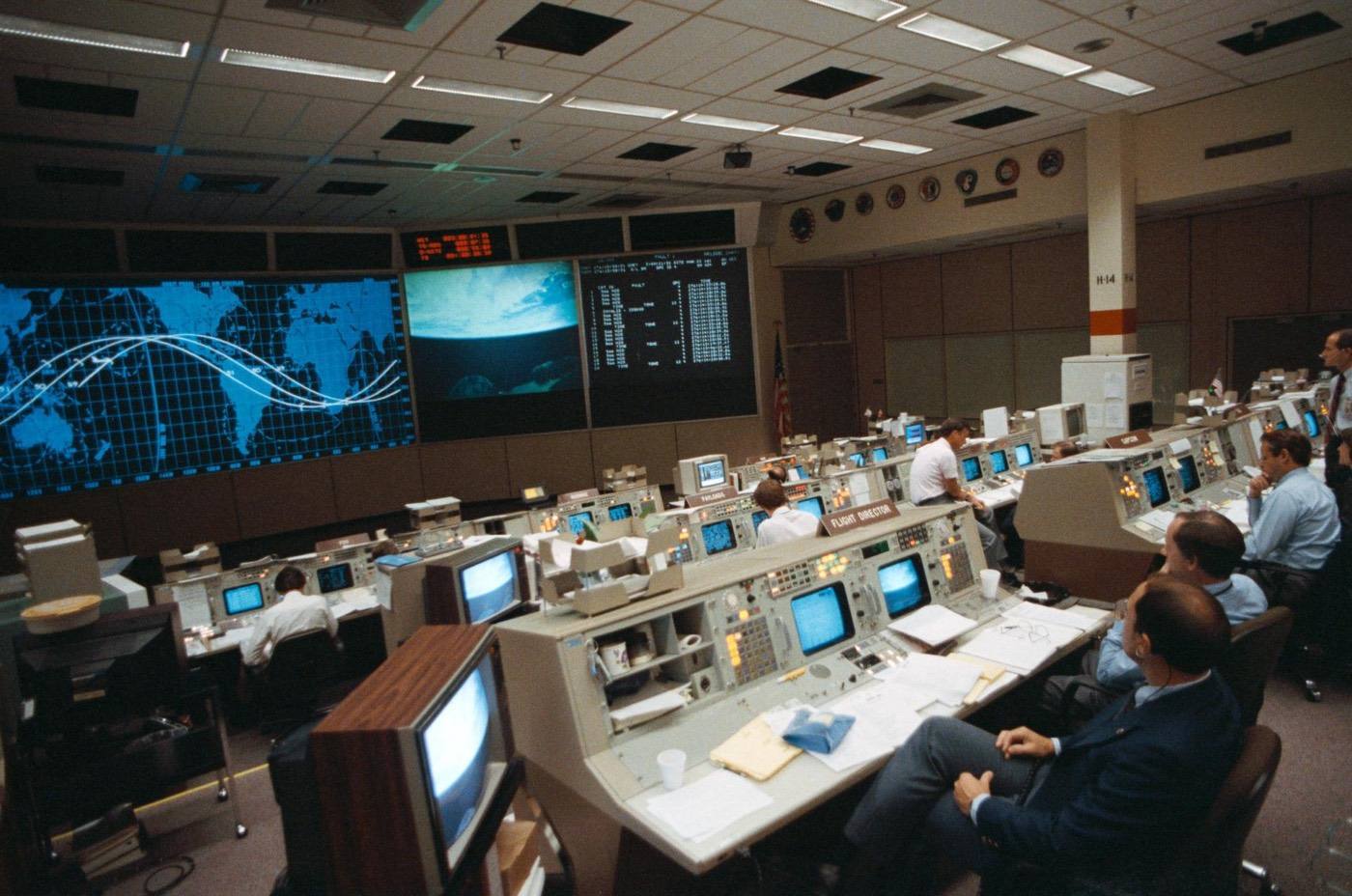
As the race to dominate outer space continues, the public's perception of space launches often clashes with the stark realities recorded by scientists and engineers. With recent launches stirring excitement, it is essential to sift through the hype and examine the truth behind our quest for the stars.
The Enthralling Public Narrative
In recent months, the public's enthusiasm for space exploration has reached a fever pitch. With the successful launch of the Space Shuttle and the anticipation surrounding future missions, many Americans are gripped by the thrilling notion that we are on the brink of a new era in space exploration. Politicians and industry leaders alike have seized this momentum, touting ambitious plans for colonization of other planets, mining asteroids, and even the possibility of interstellar travel within our lifetime.
This narrative, while captivating, often glosses over the complexities and challenges that lie beneath the surface. The reality of space launches is marred by technical difficulties, budget constraints, and the ever-present risk of failure. As we stand on the precipice of this new frontier, it is critical to separate fact from fiction.
The Technical Challenges
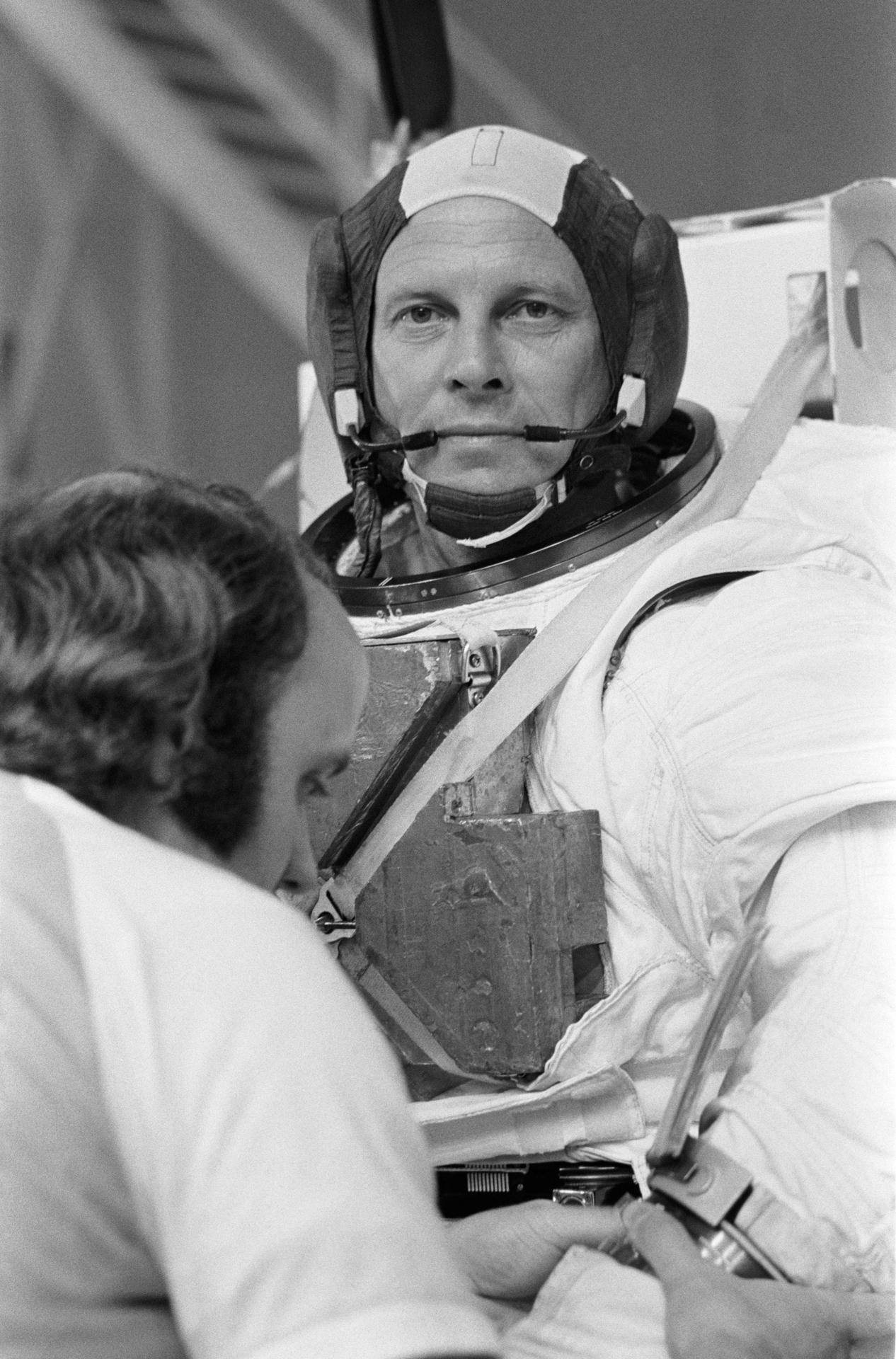
While the public may celebrate the successful launches of the Space Shuttle program, the truth is that each mission brings with it a host of technical challenges that are often downplayed in media coverage. The intricacies involved in launching a spacecraft are monumental. From the engineering of the shuttle itself to the intricacies of the launch sequence, each step is fraught with potential pitfalls. For instance, the thermal protection system, which shields the shuttle during re-entry, is a complex assembly that has undergone constant refinement and testing.
Moreover, the costs associated with each launch have been a recurring point of contention. The excitement surrounding space exploration can lead to an oversimplification of the financial burdens that these missions impose on taxpayers. Critics from both sides of the political spectrum argue about budget allocations, with some advocating for increased funding for space exploration while others push for cuts to what they deem excessive spending. The reality is that the costs of these missions are often underestimated, and the implications for future funding remain uncertain.
The Political Landscape
In the political arena, the left and right have both exhibited excesses in their approach to space exploration. On one hand, left-leaning politicians emphasize the need for international cooperation in space endeavors, arguing that collaboration with other nations can lead to shared knowledge and advancements. However, this perspective can sometimes overlook the importance of national pride and the competitive spirit that has historically driven American innovation.
On the other hand, right-leaning advocates often present an aggressive stance, framing space exploration as a matter of national security and technological supremacy. This viewpoint risks militarizing space exploration, potentially leading to a future where space is viewed not as a realm for scientific inquiry but as a battleground for geopolitical conflicts.
"The reality of space launches is marred by technical difficulties, budget constraints, and the ever-present risk of failure."
The Public’s Role
As the public consumes news of space launches, it becomes increasingly important to foster a well-informed citizenry that understands both the excitement and the challenges of space exploration. Public enthusiasm is undoubtedly a driving force behind funding and support for these missions; however, that enthusiasm can quickly turn to disillusionment if the realities of space travel are not adequately communicated.
Educational initiatives aimed at demystifying the science of space exploration could play a pivotal role in bridging this gap. By providing the public with a clearer understanding of the challenges faced by scientists and engineers, we can cultivate a more realistic expectation of what space missions entail and what they can achieve.
The Future of Space Exploration
As we gaze toward the stars, the potential for groundbreaking discoveries remains vast. However, those dreams will only be realized through a balanced approach - one that acknowledges the challenges, embraces the complexities, and remains grounded in reality. The public's fervor for space exploration should not overshadow the need for transparency and accountability in the programs that seek to take us there.
✦ ✦ ✦