From the file. Written for the paper dated November 1988. Opened in the public stacks July 14, 2026.
As the debate over health care costs intensifies, particularly in the lead-up to the upcoming presidential elections, the divergence between public claims and the actual record of hospital costs demands scrutiny. In a climate where both sides of the political spectrum seem to be exaggerating their narratives, it is crucial for the public to sift through the rhetoric to understand the reality of hospital expenses.

Understanding the Claims
On the left, proponents of a single-payer health care system argue that high hospital costs are primarily due to corporate greed and inefficiencies inherent in a privatized model. They paint a picture of an industry that prioritizes profit over patient care, driving costs to exorbitant levels. Meanwhile, the right presents a contrasting narrative, attributing rising expenses to government intervention and regulatory burdens that stifle competition and innovation within the health care sector.
Both narratives contain elements of truth, yet they often oversimplify a complex issue. The reality is that hospital costs have risen sharply in recent years, but the reasons for this increase are multifaceted and cannot be easily categorized into one political ideology or another.
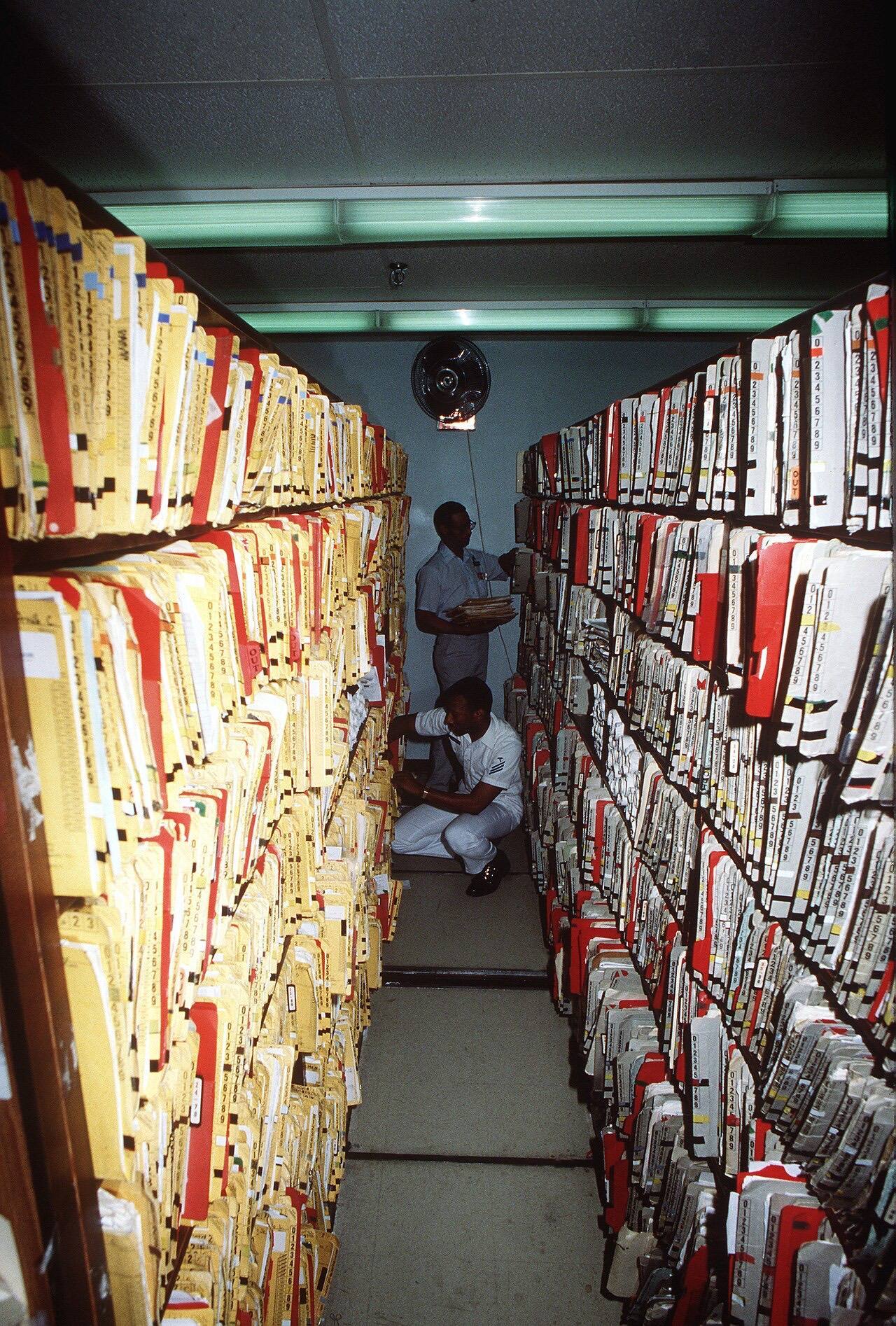
The Record of Hospital Costs
According to the American Hospital Association, the average cost of a hospital stay has risen significantly, reflecting a trend that many have felt firsthand. However, the reasons for these increases are often buried beneath the surface-level analysis provided by political figures aiming to support their policy propositions.
For instance, the cost of medical supplies, technological advancements, and the increasing number of uninsured patients all contribute to the financial strain on hospitals. Furthermore, the rising costs of malpractice insurance and staff salaries cannot be ignored. These factors create a perfect storm where hospitals are left with little choice but to raise prices to maintain operational viability.
Public Perception vs. Reality
Public perception often lags behind the reality, as individuals hear sound bites from politicians rather than engaging with the nuanced landscape of health care economics. Many people still hold on to the belief that hospitals are simply taking advantage of patients, while others argue that the burden of cost is the result of a misunderstood, overly regulated system.
“The reality is that hospital costs have risen sharply in recent years, but the reasons for this increase are multifaceted.”
Charting a Path Forward
As we move further into the health care debate, it is crucial that both sides of the aisle begin to acknowledge the complexity of hospital costs. The left must recognize that while corporate greed plays a role, it is not the sole factor. Meanwhile, the right must concede that regulatory frameworks, while sometimes burdensome, are often necessary to protect patients and ensure quality care.
Rather than continuing to sling accusations and focus on ideological battles, lawmakers should work collaboratively to identify actionable solutions. This could mean reevaluating how hospitals are reimbursed, considering reforms that reduce the administrative burdens on health care providers, or finding innovative ways to lower the costs of medical supplies and equipment.
Conclusion
As the nation grapples with the issue of hospital costs, it is essential for citizens to demand more from their political leaders. The public deserves an honest assessment of the challenges facing the health care system, as well as a commitment to finding real solutions. In a time of heightened political tension, a united front towards addressing hospital costs could serve as a beacon of hope, demonstrating that bipartisan cooperation is possible, even in the most divisive of issues.
✦ ✦ ✦