From the file. Written for the paper dated October 1988. Opened in the public stacks July 14, 2026.
In an era where every public figure and institution seems compelled to manufacture outrage, the question arises: are we witnessing genuine expressions of concern or merely a new product in the marketplace of ideas?
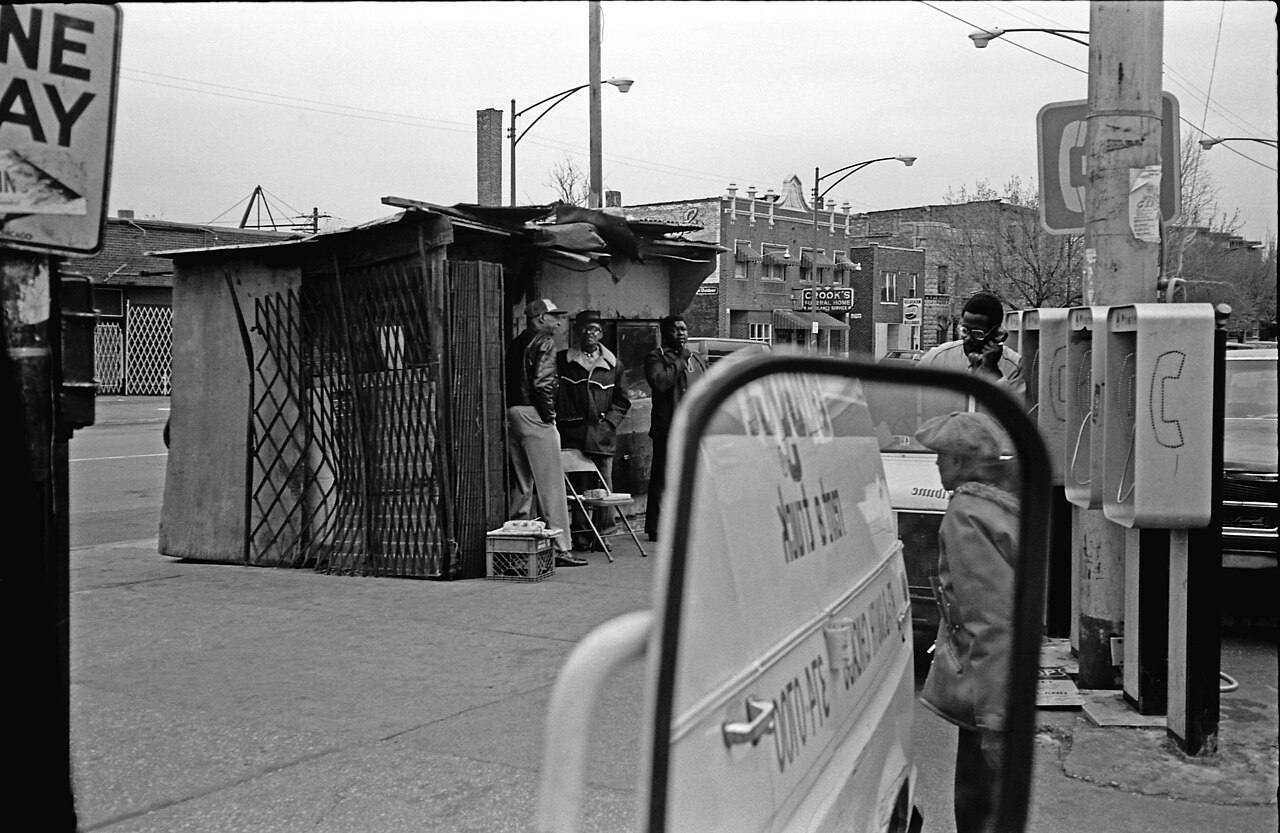
Outrage as a Commodity
In the bustling streets of America and within the hallowed halls of our institutions, outrage has transformed from a visceral human emotion into a carefully crafted commodity. Politicians, media outlets, and various organizations are increasingly packaging outrage as a product, seeking to profit from the emotional responses of the public. But what happens when the very institutions meant to protect us begin to exploit these sentiments for their own gain?
Take, for instance, the current political climate where both sides of the aisle have turned to outrage as a tool. On one end, we have the left, whose vocal advocates decry social injustices and rally for systemic change. Yet, in their fervor, some have become guilty of oversimplifying complex issues, often leading to a backlash that only serves to further polarize the discourse. The right, meanwhile, capitalizes on this outrage, framing themselves as the defenders against the so-called excesses of liberalism, drumming up fear and indignation that distracts from substantive discussions regarding policy and governance.
"Outrage is no longer just an emotional response; it is a currency in the political marketplace."
The Shield of Institutional Preservation
As both sides engage in this dance of outrage, institutions that once stood as bastions of reason and deliberation are now caught in the crossfire. The media, tasked with informing the public, has often opted to sensationalize outrage rather than provide balanced coverage. The ratings-driven news cycle prioritizes conflict over context, leading to an environment where shouting matches are preferred to thoughtful discourse.
In the realm of academia, we see similar trends. Universities, once the cradle of intellectual exploration, are now arenas where outrage is both manufactured and defended. The push for inclusivity and sensitivity has sometimes morphed into an environment where dissenting opinions are met with hostility, leaving a chilling effect on free speech. Institutions claim to uphold diversity of thought while, paradoxically, stifling it out of fear of backlash from outraged constituents.
A Call for Reflection
As we navigate this landscape of outrage, it is imperative for individuals to reflect on their own responses. Are we reacting to genuine injustices, or are we simply being swept up in the tide of manufactured outrage? The responsibility lies not only with institutions but also with the public to demand more from those who seek to lead and inform us.
The left must take a step back and evaluate whether their calls for action are grounded in truth or merely a response to the latest outrage. The right, too, must consider whether their framing of issues serves the public's best interest or simply fuels an ongoing cycle of fear and division.
Finding Common Ground
As our nation approaches a pivotal election season, the imperative for authentic engagement becomes even more pronounced. Voters must sift through the noise of outrage-driven messaging to find candidates and platforms that offer constructive solutions rather than mere rhetoric. The challenge lies in fostering dialogue that goes beyond the immediate reactions and seeks to address the underlying causes of outrage.
Ultimately, institutions must remember their foundational purpose: to serve the public good. By prioritizing reason over sensationalism, they can help steer us away from the pitfalls of manufactured outrage and towards a more informed and engaged citizenry. It is not too late to reclaim the discourse and ensure that outrage becomes a catalyst for progress rather than a mere product to be sold.
✦ ✦ ✦