From the file. Written for the paper dated October 1988. Opened in the public stacks July 14, 2026.
The recent calls for increased lobbying disclosure have sparked a heated debate that exposes the chasms between the ideologies of the left and the right. A closer look reveals how both sides often prioritize their institutional interests over genuine reform.
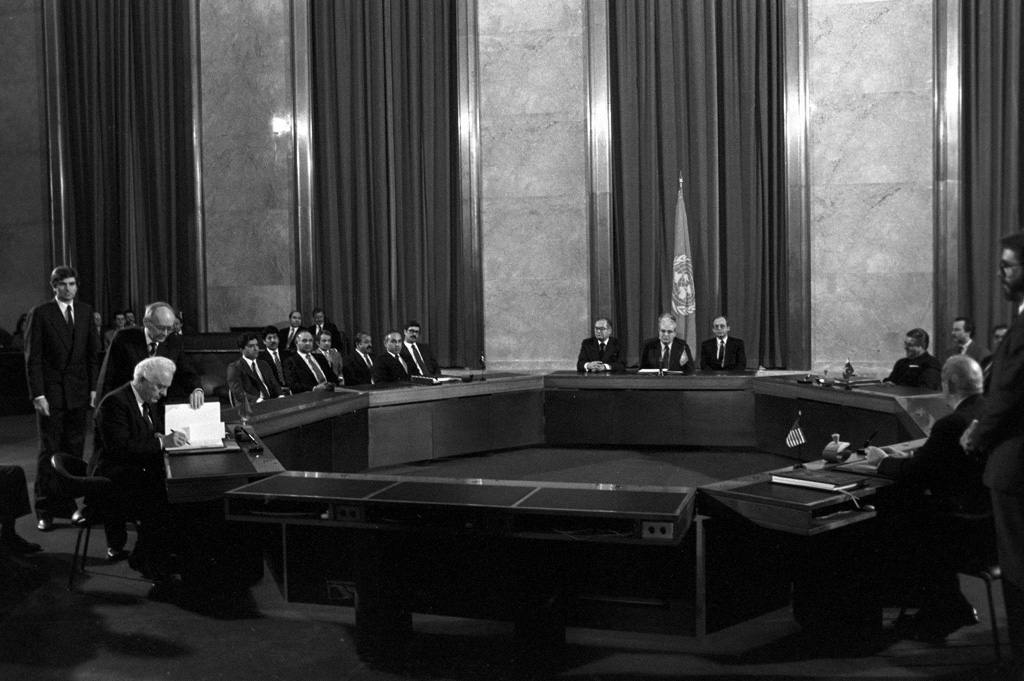
The Tug of War Over Transparency
As the political landscape shifts in the lead-up to the 1988 presidential election, the discourse surrounding lobbying disclosure has become a battleground for competing agendas. On one hand, we have the Democrats, who are increasingly vocal about the need for transparency and accountability in lobbying practices. On the other, the Republicans fiercely defend the status quo, arguing that the current system serves as a crucial channel for representation in a complex political environment.
Yet, it seems that both sides are more concerned with protecting their own interests than genuinely addressing the issue at hand. With the influence of money in politics reaching new heights, the public is left wondering if either party is genuinely committed to reform or simply playing a game of political chess.

Democratic Discontent
The Democrats have seized on the growing discontent surrounding lobbying practices, attempting to frame themselves as champions of the people. However, their proposals often fall short of substantive change. Instead of pushing for comprehensive reform that would limit the power of lobbyists, many Democrats have settled for measures that merely require greater disclosure of lobbying activities.
While more transparency is an admirable goal, it may not be enough to curtail the pervasive influence of special interests. The essence of lobbying is not merely about the lack of information but rather the very existence of a system that allows for such influence to thrive. By focusing on disclosure as a panacea, Democrats risk overlooking the deeper structural issues that allow lobbyists to shape policy in the first place.
"Transparency without accountability is merely a façade."
Republican Defensiveness
On the flip side, the Republicans have taken a defensive stance against any efforts to increase lobbying disclosure. They argue that such measures would stifle free speech and undermine the very foundation of American democracy. This rhetoric, while appealing to their base, often comes across as disingenuous when one considers the overwhelming influence of corporate money in their campaigns.
The irony is palpable: while Republicans advocate for the rights of lobbyists and corporations to participate in the political process, they simultaneously ignore the detrimental effects this influence has on ordinary citizens. By framing lobbying as a constitutional right, they conveniently sidestep the very real concerns of constituents who feel their voices are drowned out by a cacophony of corporate interests.
A Call for Genuine Reform
The truth is that both sides are guilty of political excesses that hinder the progress of meaningful lobbying reform. Instead of engaging in a constructive dialogue that seeks to address the root causes of the issue, they are content to play to their respective bases. The public's trust in government continues to erode as both parties prioritize their institutional survival over the needs of the people.
For true reform to take place, we must move beyond the superficial measures currently being proposed. This includes not only greater disclosure of lobbying activities but also stricter regulations on campaign financing and the influence of special interests. The conversation must shift from merely identifying the problem to actively seeking solutions that promote accountability and integrity in the political process.
Concluding Thoughts
As we approach the 1988 elections, the issue of lobbying disclosure will undoubtedly continue to be at the forefront of political discourse. However, if the left and the right remain entrenched in their respective ideologies, we may miss out on a critical opportunity to enact real change. It is time for both parties to step back, reflect on the consequences of their actions, and commit to genuine reform that prioritizes the needs of the American people over the interests of powerful lobbyists.
✦ ✦ ✦