From the file. Written for the paper dated August 1988. Opened in the public stacks July 14, 2026.
In an era where the concept of the supply chain has gained increasing attention, particularly as economic pressures mount, the conversations surrounding it often lack critical depth. This is especially true in the briefings that shape policy and business decisions.
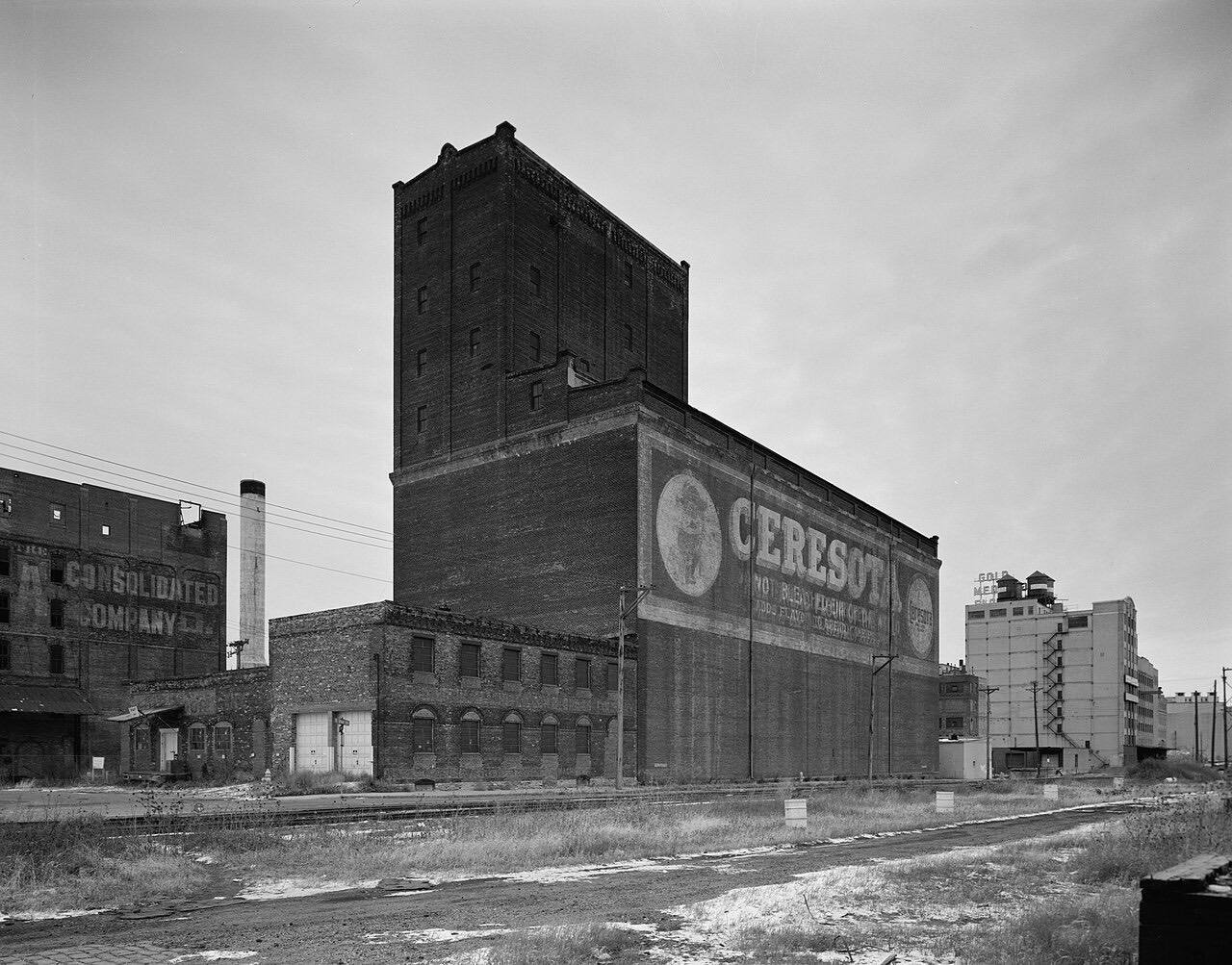
The Missing Pieces of the Puzzle
As businesses scramble to respond to the ever-changing demands of consumers, it is essential to understand that the supply chain is not merely a series of logistical steps but a complex network that impacts economic stability, job security, and ultimately, the quality of life for many Americans. Yet, in the current discourse, we find a troubling trend: a focus on numbers and efficiencies, often at the expense of the human element.
Leftist critics are quick to point out that the current administration's policies favor large corporations, sidelining the voices of workers who are most affected by shifts in supply chain management. The rhetoric of "free markets" is often just that - a buzzword, devoid of the concrete implications on employment and local economies. Many workers are left in the lurch, facing job instability as companies prioritize cost-cutting measures over community welfare.
On the other side of the aisle, proponents of unregulated capitalism champion the supply chain as a marvel of modern efficiency. They argue that the free flow of goods and services is a hallmark of an advanced economy. However, this perspective often glosses over the environmental ramifications and the ethical considerations tied to sourcing and production practices. The obsession with profit margins can lead to a neglect of sustainable practices, which not only threaten our ecosystems but also our long-term economic viability.
"In the race for efficiency, we must not forget the human cost involved in the supply chain."
Policy and Public Discourse
Public policy discussions surrounding the supply chain often overlook the voices of small business owners and local entrepreneurs. These individuals are the backbone of our economy, yet they remain largely absent from the conversation dominated by corporate interests. One must consider how local supply chains can thrive when policies favor national conglomerates. The result? A dwindling diversity of businesses that can adapt to local needs and foster community resilience.
Moreover, as the global marketplace expands, the reliance on overseas manufacturing and sourcing becomes a double-edged sword. While it may offer short-term savings, the long-term reliance on external suppliers can jeopardize domestic industries, leaving communities vulnerable. Policymakers must ask themselves: Is it worth sacrificing our manufacturing base for fleeting gains?
The Call for Accountability
As we observe the current supply chain dynamics, there is a resounding call for accountability. Corporations must be held responsible not just for efficiency, but for ethical practices that consider labor rights, environmental sustainability, and community welfare. The dialogue must shift from a singular focus on profit margins to a more holistic understanding of what a robust supply chain should encompass.
Furthermore, consumers play an essential role in this equation. By demanding transparency and accountability from companies, individuals can influence the supply chain's direction. The choice to support businesses that prioritize ethical sourcing and labor practices can drive change at a systemic level.
Looking Forward
In conclusion, the current state of supply chain discourse reveals significant gaps that need to be addressed. Both sides of the political spectrum must recognize the importance of incorporating a broader range of perspectives in their discussions. The left should amplify the voices of workers and small business owners, while the right must reconsider its unwavering support for large corporations at the expense of local economies. Only through this collaborative effort can we pave the way for a supply chain that truly serves all Americans, ensuring economic stability and a sustainable future.
✦ ✦ ✦