From the file. Written for the paper dated July 1988. Opened in the public stacks July 14, 2026.
As the debate over treaty ratification intensifies, the numbers reveal a landscape that is as complex as it is contentious.

Treaty Ratification: A Numbers Game
The process of ratifying treaties has become a contentious subject in American politics, with both sides of the aisle wielding statistics to bolster their arguments. Proponents of various treaties argue that ratification is essential for national security and international cooperation, while opponents often highlight potential threats to American sovereignty. However, an analysis of the numbers presents a more nuanced picture that challenges the extremes espoused by both sides.
Looking at recent treaty discussions, particularly those concerning arms reduction and trade agreements, the statistics suggest a divided public. Polling data indicates that while there is broad support for treaties aimed at reducing nuclear weapons, such as the INF Treaty, many citizens express skepticism about trade deals that seem to prioritize corporate interests over domestic jobs. This ambivalence underscores a growing concern among the public regarding the implications of international agreements.
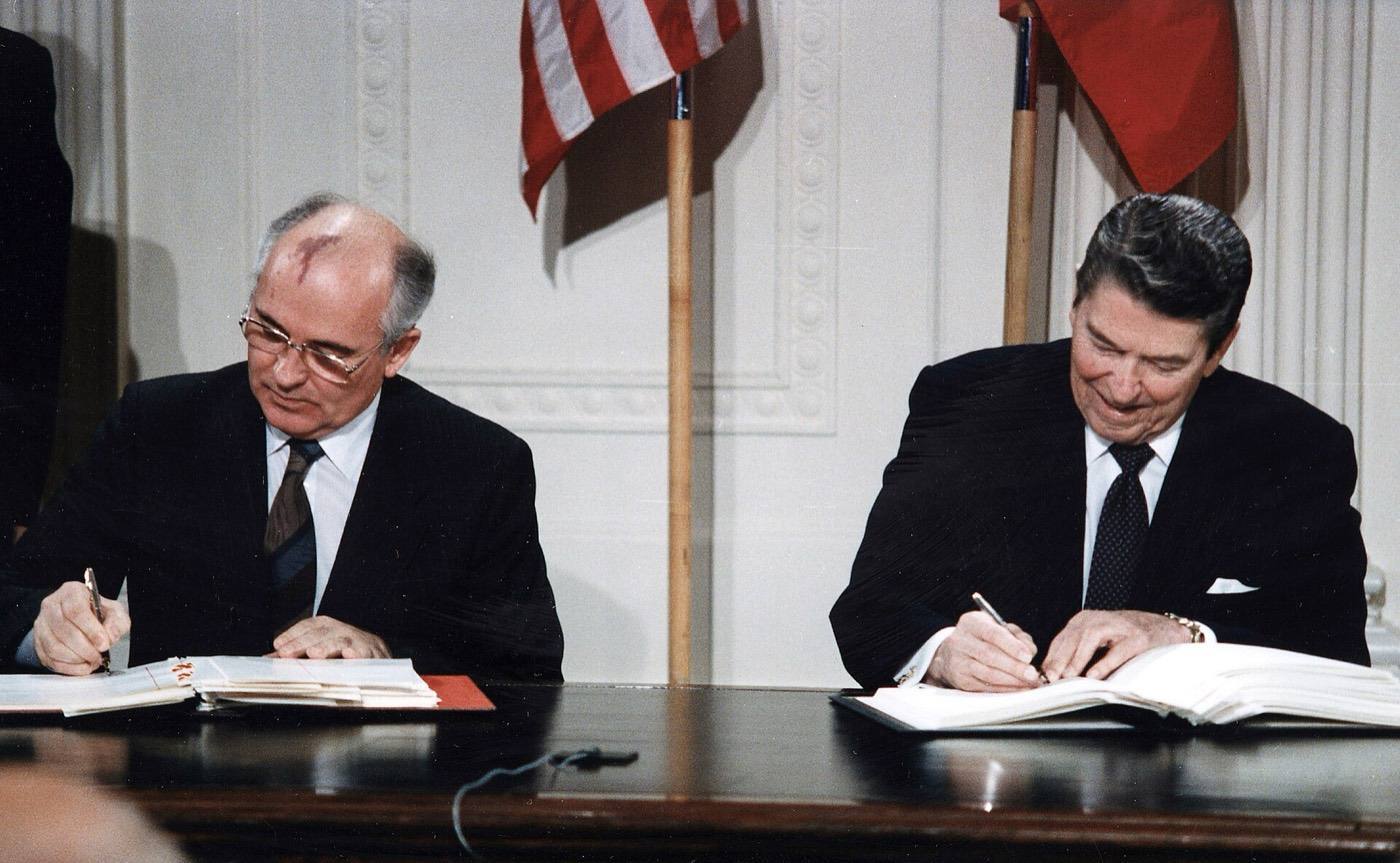
The Left's Overreach
On the left, there is a tendency to portray treaty ratification as a panacea for global issues. Advocates claim that signing on to international agreements will automatically lead to peaceful resolutions and promote human rights worldwide. Yet, this optimistic view often overlooks the complexities of enforcement and compliance. The reality is that treaties require cooperation from all parties, and historical examples have shown that such cooperation is not always forthcoming.
"Treaty ratification is not just a signature on paper; it demands accountability and follow-through."
Furthermore, the left's argument can sometimes veer into an idealistic territory that seems detached from the practical implications of these agreements. The challenge remains: how do we ensure that these treaties do not infringe upon our national interests while still promoting global stability? A more balanced approach might recognize the need for cautious optimism rather than sweeping proclamations of success.
The Right's Alarmism
Conversely, the right has been quick to invoke alarmism, warning of dire consequences should treaties be ratified. This reaction is often fueled by a fear of losing control over national sovereignty. The rhetoric surrounding treaties like the United Nations Convention on the Law of the Sea has been particularly fraught, with critics claiming it would subject America to foreign jurisdiction.
"The fear of losing sovereignty often overshadows the potential benefits of global cooperation."
However, this perspective can lead to an exaggerated portrayal of treaties as threats rather than opportunities. While it is undoubtedly important to protect American sovereignty, the refusal to engage in international agreements risks isolating the United States on the global stage. The challenge lies in finding a middle ground that embraces collaboration while safeguarding national interests.
Finding Common Ground
As the debate continues, it is essential for both sides to move beyond rhetoric and examine the actual implications of treaty ratification. The statistics reveal that many Americans are neither entirely for nor against treaties; they seek assurances that their rights and interests will be protected. This calls for a more nuanced dialogue that acknowledges the legitimate concerns of both proponents and opponents.
To foster a productive discussion, policymakers must listen to their constituents and provide clear, transparent information about the implications of treaties. This includes addressing concerns about sovereignty as well as emphasizing the potential benefits of international cooperation. Only by doing so can we hope to create a political environment conducive to thoughtful treaty ratification.
Conclusion: A Call for Rational Discourse
The numbers surrounding treaty ratification tell a story of a public caught between conflicting extremes. It is imperative that we move away from alarmism and idealism and instead focus on rational discourse that acknowledges the complexities of international agreements. The future of treaty ratification in America may very well depend on our ability to engage in this critical conversation.
✦ ✦ ✦