From the file. Written for the paper dated July 1988. Opened in the public stacks July 14, 2026.
As the nation grapples with the fallout from multiple health crises, a critical examination of the statistics surrounding epidemic responses reveals both successes and failures on all sides of the political spectrum.
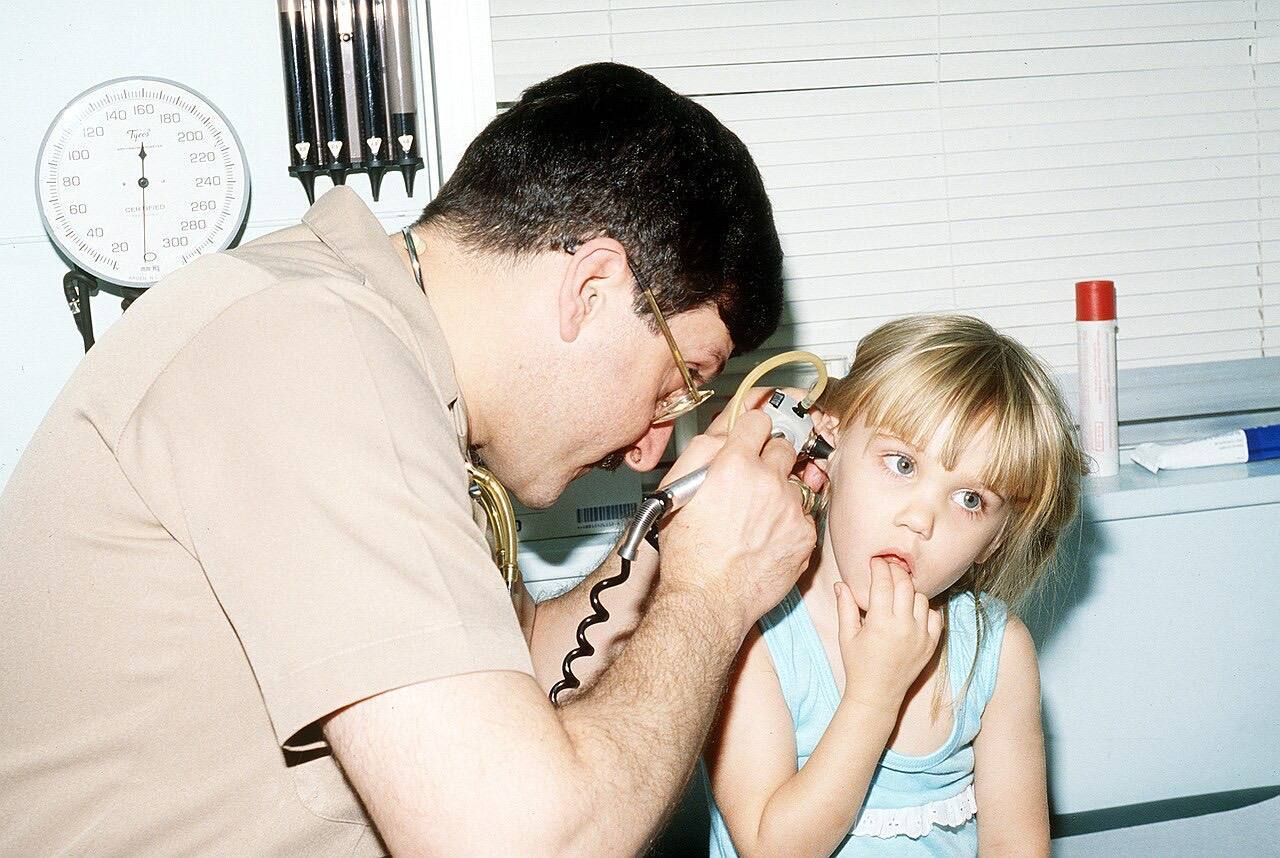
The Present Landscape of Epidemic Response
In July 1988, the United States finds itself at a crossroads in public health. With the specter of AIDS casting a long shadow over our communities, the public's anxiety is palpable. Meanwhile, the resurgence of diseases thought to be under control, such as measles and tuberculosis, adds urgency to the need for an effective nationwide response. But what do the numbers say about how we are handling these crises?
The left has long emphasized the importance of public health funding, championing initiatives aimed at expanding healthcare access and education. Yet, while advocating for these vital resources, they often overlook the necessity for accountability and measurable outcomes. The truth is that merely increasing funding does not guarantee better results, and in some cases, it can lead to mismanagement and inefficiency.
On the other side, the right has focused heavily on reducing government spending, arguing that a free-market approach is the solution to our health woes. However, this ideology has led to a dangerous underinvestment in public health infrastructure. The abandonment of community health programs in favor of corporate profits leaves vulnerable populations without the essential services they need to combat emerging health threats.
What the Numbers Reveal
Recent data shows that between 1981 and 1987, funding for AIDS research increased dramatically, yet the number of new infections continues to rise. The statistics indicate a troubling trend: while the federal government has poured resources into research, the lack of effective outreach and education has resulted in a population that remains largely uninformed about prevention strategies.
Moreover, the rise in preventable diseases like measles is a direct consequence of the failure to maintain vaccination programs. In 1987, there were 1,200 reported cases of measles, a significant increase from previous years. Health officials are quick to point fingers at anti-vaccine movements, often linked to misinformation campaigns that stem from both sides of the political aisle.
"The truth is that merely increasing funding does not guarantee better results."
While the left emphasizes the need for comprehensive education on the importance of vaccines, the right often dismisses these concerns as a threat to individual liberties. This clash of ideologies hampers our ability to present a unified front against epidemics. The result? A confused public that lacks clear direction on critical health issues.
The Call for a Balanced Approach
To move forward, we must advocate for a balanced approach that incorporates the strengths of both perspectives. Public health should not be a battleground for political ideologies; it should be a collaborative effort aimed at protecting the health of all Americans. This means investing in community health programs, ensuring accessibility to vaccinations, and promoting education that is clear and evidence-based.
Furthermore, we need to hold both public officials and private corporations accountable for their roles in epidemic responses. The numbers indicate a glaring need for transparency and effectiveness in health initiatives. Without a commitment to both sides of the equation - adequate funding and responsible management - our efforts are likely to be futile.
As we navigate this critical moment in public health, the need for a united front has never been more apparent. Both left and right must recognize the importance of collaboration to combat the growing health crises facing our nation. Only then can we hope to see real progress in epidemic response.
Moving Beyond Political Rhetoric
It is crucial to remember that lives are at stake. Our response to epidemics should not be dictated by political agendas; instead, it should be driven by the urgency of the health crises themselves. So far, the responses from both ends of the political spectrum have been riddled with excesses - whether it be the extreme push for funding without accountability or the reckless reduction of essential health services in the name of fiscal conservatism.
In the coming months, we must insist on a strategy that prioritizes public health over partisan politics. Only through a cooperative effort can we hope to address the complex challenges posed by emerging and re-emerging diseases. The time for action is now, and the numbers tell us that we can no longer afford to be divided.
✦ ✦ ✦