From the file. Written for the paper dated June 1988. Opened in the public stacks July 14, 2026.
As the nation stands at a pivotal juncture in its foreign policy, the ongoing debate over treaty ratification reveals deep divides and growing anxieties on both sides of the political spectrum.
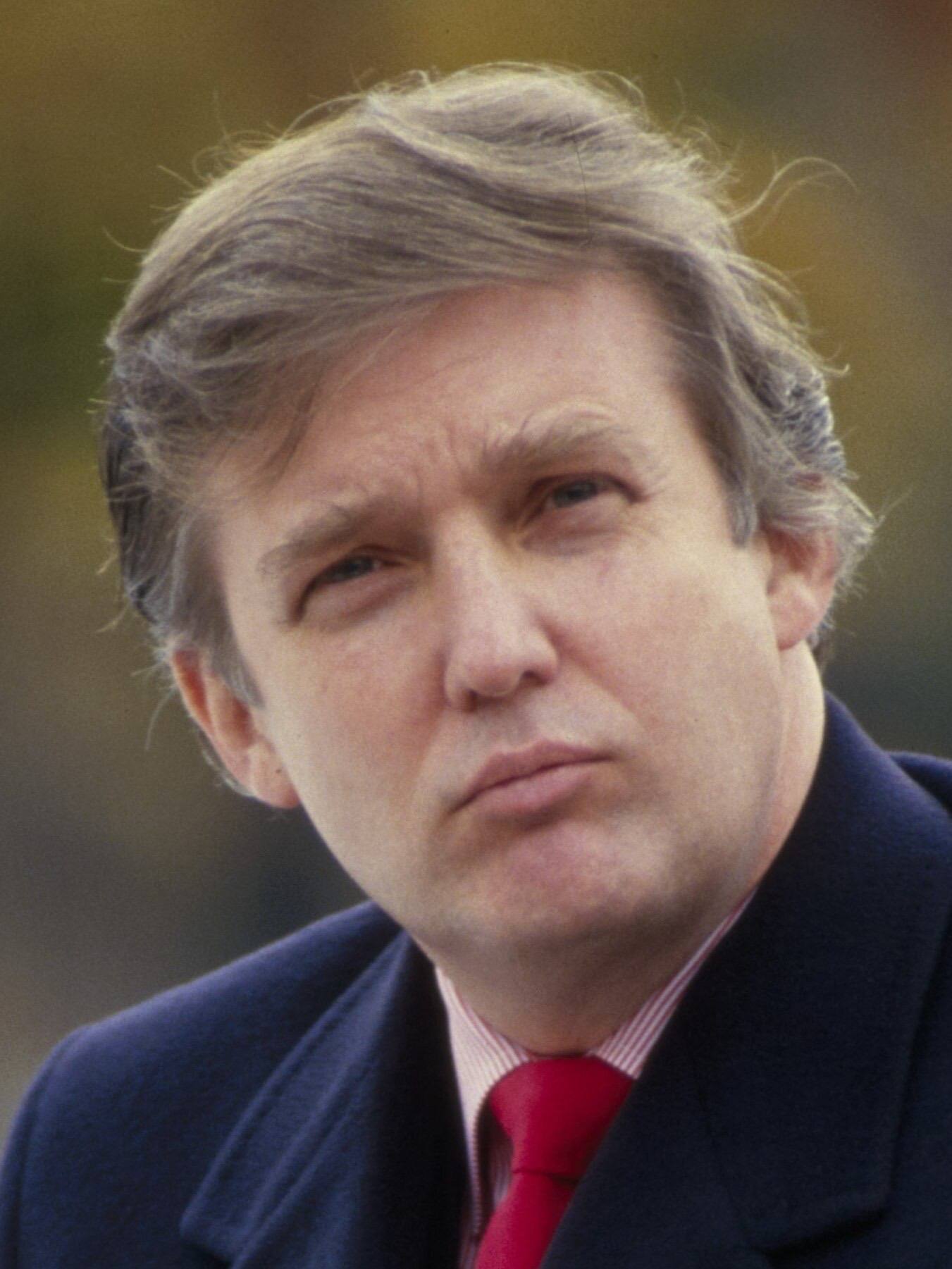
Treaty Ratification: A Matter of Certainty
The recent discussions surrounding the ratification of treaties underscore the complexity of American political discourse. On one hand, we have the steadfast supporters of international agreements who argue that these treaties are essential for maintaining global peace and stability. On the other hand, we face a resurgent wave of skepticism, particularly from certain factions on the right who raise concerns about sovereignty and the implications of ceding power to international bodies.
As the United States contemplates treaties aimed at arms control and environmental protections, it is evident that certainty is being sold briskly. Lawmakers are gravitating towards the idea that a cohesive and united front in international dealings is paramount. However, this certainty is often tempered by the realities of a polarized electorate.
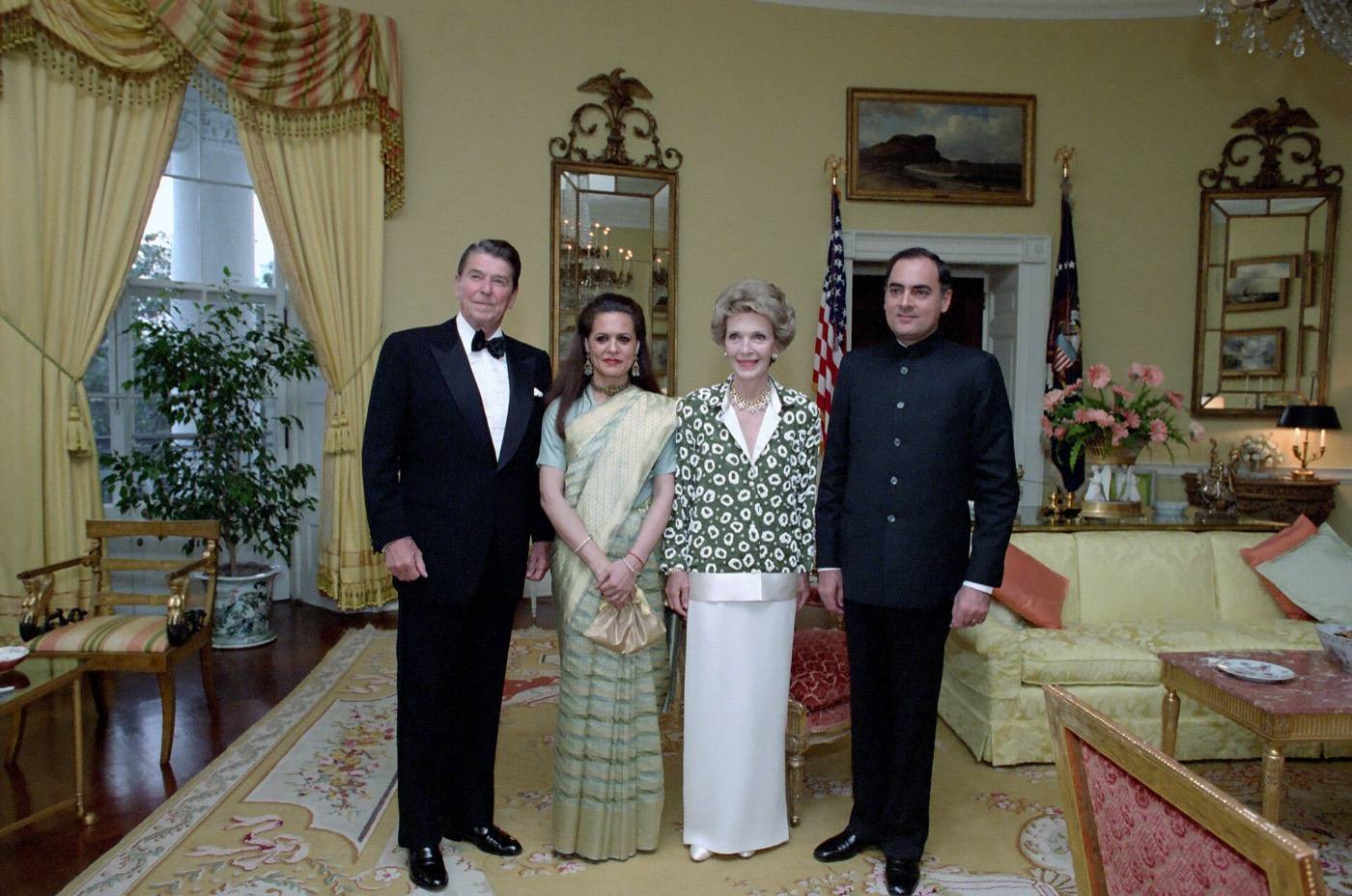
The Left's Overreach
Examining the left, we find a tendency to push for expansive treaties that may overlook the nuanced realities of American interests. The fervor for global cooperation, while admirable, sometimes leads to proposals that seem to prioritize international consensus over domestic concerns. Advocates for these treaties often wield the rhetoric of moral obligation, suggesting that America has a duty to lead by example on the world stage. Yet, this can lead to a disconnect with voters who feel that their voices are not heard in the rush towards global agreements.
"We must not forget that our primary responsibility is to the American people, not the international community."
This sentiment resonates with many who fear that too much emphasis on global treaties may compromise American jobs and economic stability. As labor unions and local businesses voice their apprehensions, it becomes clear that a balance must be struck - a balance that currently feels elusive amid the left's enthusiastic embrace of internationalism.
The Right's Reaction
Conversely, the right has produced its own brand of excess, rallying against treaties with a fervor that can often border on isolationism. While it is crucial to scrutinize the implications of any international agreement, the blanket rejection of treaties without thorough examination can be equally damaging. This knee-jerk opposition risks alienating allies and undermining the collaborative spirit that is often necessary in a complex geopolitical landscape.
Recent debates have seen a rise in voices claiming that any semblance of compromise equates to weakness. This dogmatic stance fails to recognize that diplomacy often requires a willingness to negotiate and sometimes to concede. The danger here lies in the potential for America to retreat into a shell, abandoning the very leadership role that it has held for decades.
"A strong America must also be a diplomatic America. Abandoning treaties could lead to greater global instability."
Critics of this approach argue that while protecting national sovereignty is paramount, it should not come at the cost of international cooperation. A refusal to engage with the world can lead to increased tensions and conflicts, which ultimately jeopardizes the safety and security of Americans.
The Call for Pragmatism
As we navigate these turbulent waters, it is essential for both sides to embrace a more pragmatic approach to treaty ratification. The middle ground must be sought, where the benefits of international cooperation are weighed against domestic needs. Policymakers should strive to craft treaties that reflect the values and interests of the American people while also acknowledging the interconnectedness of our global society.
Ultimately, the conversation surrounding treaty ratification should not be a zero-sum game. There is room for thoughtful deliberation that respects both the urgency of international collaboration and the necessity of addressing the concerns of the American populace. Both extremes must recognize that the world is not as simple as “us versus them.”
The stakes have never been higher, and as the debate rages on, it is the responsibility of elected officials to rise above the fray and seek solutions that prioritize both American values and global stability. Only then can we hope to navigate the complexities of treaty ratification with both integrity and effectiveness.
✦ ✦ ✦