From the file. Written for the paper dated June 1988. Opened in the public stacks July 14, 2026.
As the debate over childhood nutrition heats up, it becomes increasingly clear that both the left and the right are guilty of using certainty as a weapon rather than a tool for understanding.
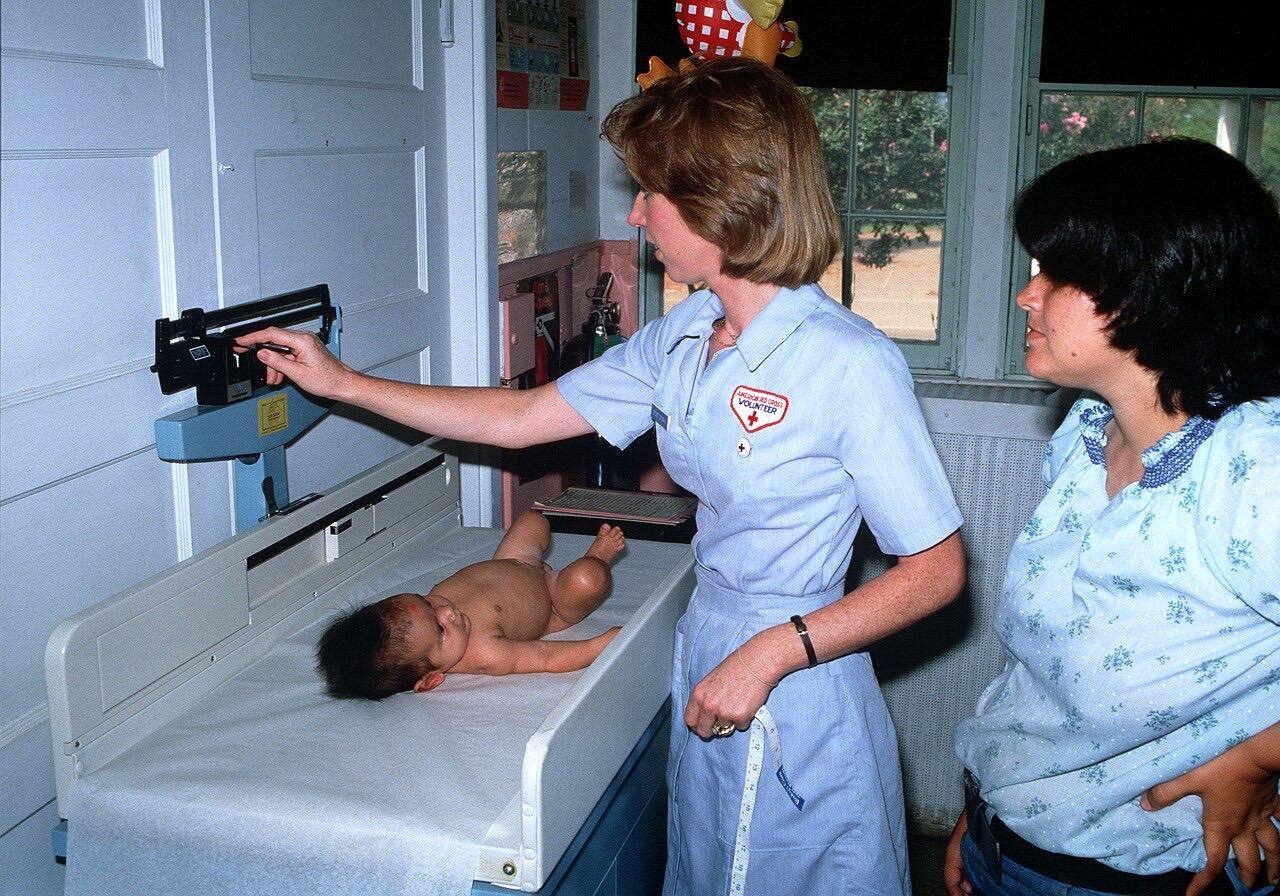
Nutrition: A Political Football
In recent years, childhood nutrition has become a political football, with both ends of the spectrum attempting to claim the mantle of authority. On one side, we have the liberal push for organic foods, whole grains, and a radical shift away from processed items. On the other, the conservatives boldly defend the status quo, emphasizing the importance of tradition and the idea that children should learn to enjoy the foods that their parents grew up with. Both sides offer their solutions with a level of certainty that can be misleading at best, and dangerous at worst.
It’s no surprise that the food industry is more than willing to capitalize on this divide. The left’s insistence on organic and natural foods has led to a surging market for products that boast health benefits but often come with price tags that are unattainable for many families. Meanwhile, the right counters with messages that appeal to nostalgia, promoting processed foods with catchy slogans and packaging that triggers fond memories of simpler times.
![Gente paseando en las obras de la Avenida del Doctor García Tapia [antes, Camino Viejo de Vicálvaro]. Moratalaz (Madrid, España)](/media/library/1980s-health/madrid-moratalaz-vicalvaro-1983-02-d0e034.jpg)
“In the fight for healthier children, certainty is often misrepresented as expertise.”
The Cost of Certainty
This stark dichotomy in the childhood nutrition debate makes it difficult for parents to navigate the best options for their children. The left’s fervent belief that organic is always better can inadvertently shame those who cannot afford such luxuries. Conversely, the right’s confidence in traditional diets can dismiss the need for nutritional education in an age where childhood obesity is on the rise.
Parents are left feeling overwhelmed and confused, caught in the crossfire of a battle that often ignores the nuances of individual family needs. Both sides offer a version of “the truth” that simplifies a complex issue. The reality is that childhood nutrition isn’t about absolutes; it’s about balance and understanding the diverse needs of children. The certainty that both sides cling to often results in a harmful black-and-white perspective that neglects the grey areas of nutrition.
Voices of Dissent
Amid this cacophony, there are voices advocating for a more nuanced approach to childhood nutrition. Experts in the field are increasingly voicing concerns about the implications of this polarized debate. They argue that rather than taking sides, we should be coming together to promote a dialogue that includes parents, educators, and health professionals. Emphasizing moderation and education rather than rigid ideologies may be the key to fostering healthier eating habits in children.
Moreover, the statistics around childhood nutrition tell a troubling story. With the prevalence of fast food and convenience items on the rise, children are increasingly exposed to diets that are high in sugar and low in essential nutrients. This dietary shift is reflected in alarming rates of obesity and related health issues such as diabetes and heart disease. Yet, rather than addressing these issues collaboratively, the debate often devolves into a shouting match, with each side entrenched in its perspective.
A Call for Common Ground
So, how do we move forward? It starts with an acknowledgment that neither side holds all the answers. Parents deserve access to information that empowers them to make choices that suit their unique circumstances rather than feeling pressured to conform to a particular ideology. This means advocating for educational programs that emphasize the importance of balanced diets, cooking skills, and the value of fresh, whole foods without vilifying those who rely on convenience options.
We need to shift the conversation from one of blame and polarization to one of inclusivity and understanding. It is essential to recognize that food choices are influenced by a multitude of factors - economic, cultural, and personal. By fostering a culture of dialogue rather than division, we can create an environment where children are nurtured with the best possible nutritional options within the context of their lives.
Conclusion: Embracing Complexity
In the end, the best approach to childhood nutrition may not come from either extreme but rather from embracing the complexity of food choices. It is time to move past the knee-jerk reactions and engage in a meaningful discussion about what it means to nourish our children. As parents, educators, and advocates, we have the opportunity to foster an environment where healthy eating is accessible, enjoyable, and rooted in understanding rather than ideology.
✦ ✦ ✦