From the file. Written for the paper dated May 1988. Opened in the public stacks July 14, 2026.
As the nation grapples with the contentious issue of treaty ratification, it becomes increasingly clear that both sides of the political spectrum exhibit a troubling tendency toward selective memory. In this climate of heightened partisanship, the consequences of this amnesia are profound, affecting not only our diplomatic relations but also the very fabric of our national identity.

The Current Landscape of Treaty Ratification
The process of treaty ratification in the United States has undergone significant scrutiny in recent years, particularly as we approach the ratification of key agreements that could shape our foreign policy for decades to come. Yet, what is all too often overshadowed in the debate is the bipartisan habit of cherry-picking historical precedents to support conflicting narratives.
On one side, we have the administration and its allies who tout the successes of past treaties as evidence of American leadership on the world stage. They champion agreements that have fostered peace and stability, such as the Strategic Arms Limitation Talks (SALT) and the Treaty on the Non-Proliferation of Nuclear Weapons (NPT). However, they conveniently overlook the failures and missteps associated with these very treaties, such as the limitations they imposed on American military capabilities and the unintended consequences that followed.
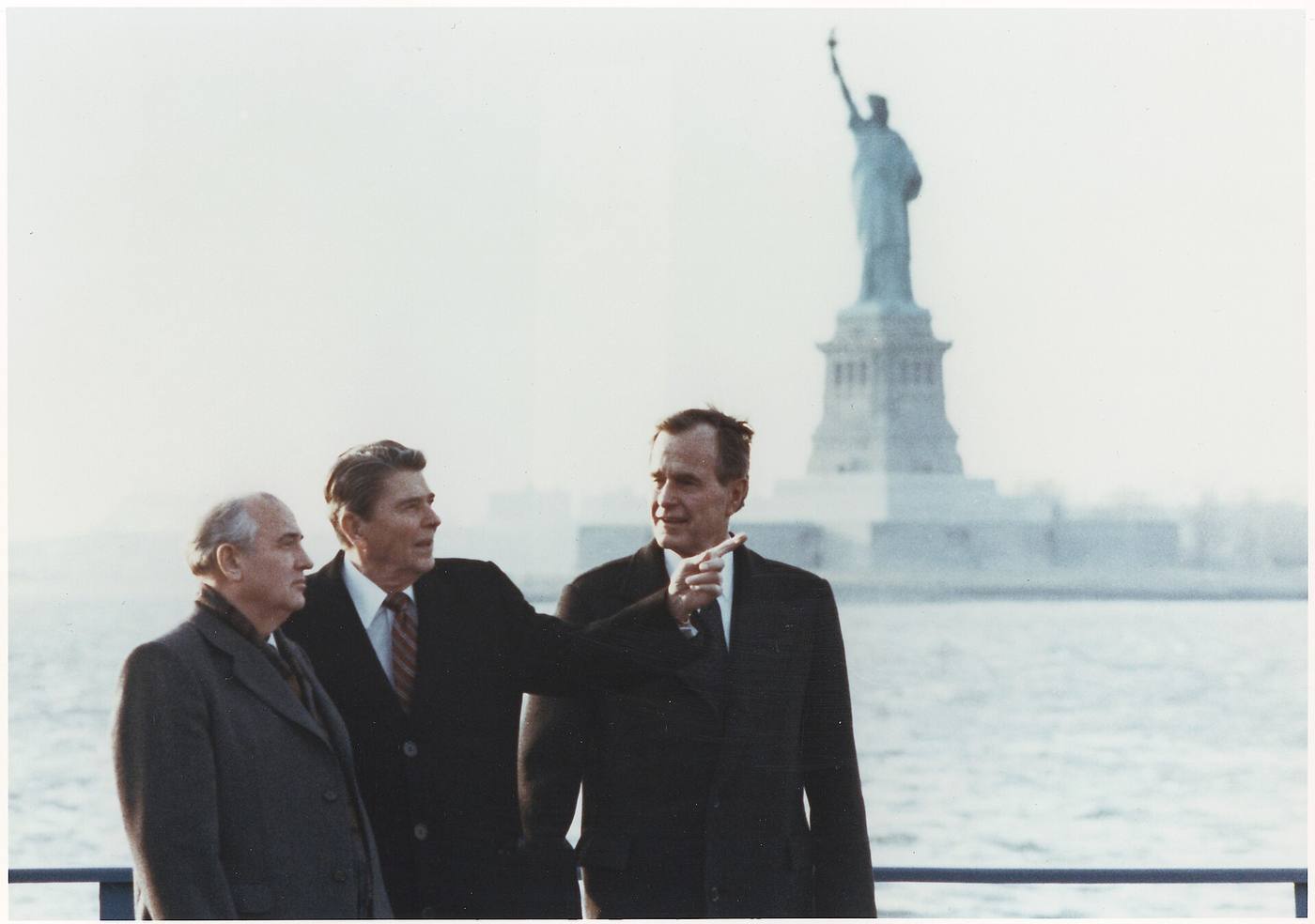
Conversely, the opposition party often engages in its own form of selective memory, focusing primarily on the failures of the current administration in foreign affairs. They highlight broken promises and diplomatic failures while conveniently disregarding the successes that have arisen from bipartisan cooperation in treaty negotiations over the years. This pattern of behavior fosters an environment where constructive dialogue is stifled and mistrust thrives, ultimately undermining the very purpose of treaties.
The Left's Lament
The left often frames treaty ratification as an essential tool for promoting peace and justice globally. They argue that treaties serve as a means to hold nations accountable for their actions, especially in the realm of human rights. However, their selective memory leads them to overlook the complexities of international relations, where treaties can be weaponized or manipulated by rogue states.
Consider the recent discussions surrounding arms control treaties. While the left champions disarmament, they often fail to acknowledge the necessity of maintaining a strong defense posture to deter aggression. In their fervor for peace, they risk creating a vacuum that adversaries may exploit, leading to instability rather than the harmonious world they envision.
"Both sides must recognize the perils of selective memory in treaty ratification; the stakes are too high for political games."
The Right's Rhetoric
On the other hand, the right has taken to portraying treaties as potential threats to American sovereignty. The fear-mongering that has emerged often paints a picture of a world where the United States is bound by international agreements that compromise its autonomy. This narrative is bolstered by historical instances where treaties have indeed imposed constraints on American actions.
However, the right's selective memory conveniently neglects the numerous occasions when treaties have fortified American interests abroad and enhanced global stability. By focusing solely on the negative aspects, they risk alienating allies and undermining the cooperative spirit that is essential for effective diplomacy. The irony is that in seeking to protect American sovereignty, they may inadvertently jeopardize it by fostering an isolationist stance that could embolden hostile nations.
A Call for Accountability
The solution to this bipartisan malaise lies in a commitment to accountability and a shared understanding of the complexities inherent in treaty ratification. Both sides must recognize that the stakes are too high for political gamesmanship and selective memory. The challenges we face on the global stage require a united front, where bipartisan support for well-negotiated treaties is paramount.
Moreover, the American public must demand transparency from their leaders. This entails not only a clear articulation of the potential benefits and drawbacks of treaties but also an honest assessment of historical precedents. By fostering an informed citizenry, we can create an environment where treaties are evaluated on their merits rather than through the lens of partisan politics.
The Path Forward
As we move forward, it is critical for lawmakers to engage in open dialogue and seek common ground on treaty ratification. This will necessitate acknowledging the successes and failures of past agreements while avoiding the pitfalls of selective memory. Only through such an approach can we hope to navigate the complexities of international relations and secure a brighter future for our nation.
✦ ✦ ✦