From the file. Written for the paper dated April 1988. Opened in the public stacks July 14, 2026.
In a world increasingly reliant on technology, the recent solar storm serves as a stark reminder of our vulnerability to cosmic events - and the glaring oversight in our preparedness.
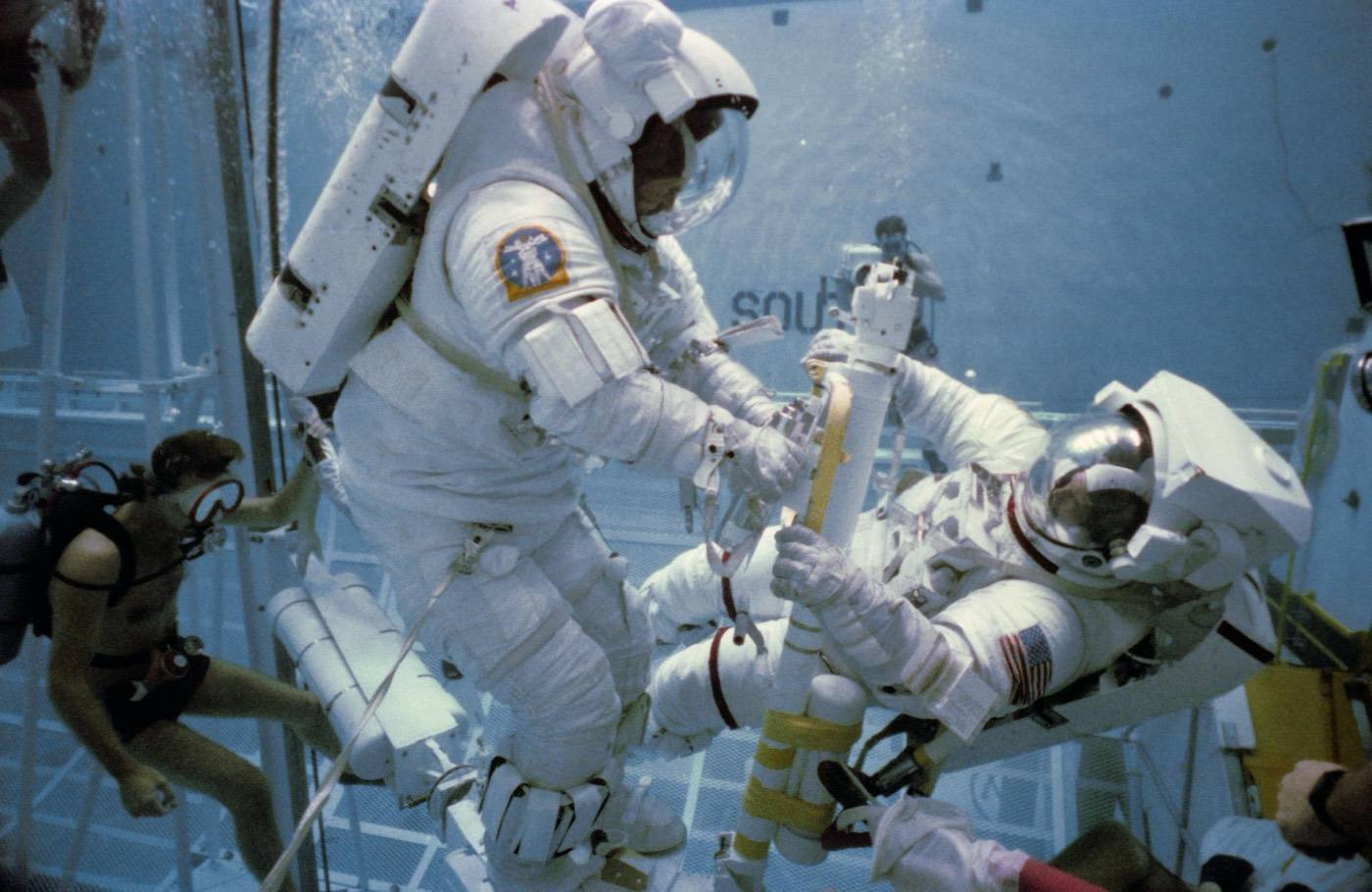
What Happened
The solar storm that swept across the Earth earlier this month was not just another celestial event. It was a powerful reminder of how our dependence on technology can be disrupted by forces beyond our control. As satellites danced in the atmosphere and some power grids experienced fluctuations, scientists were left to ponder the implications of our lack of preparedness. The storm, which was predicted days in advance, raised questions about the efficacy of our monitoring systems and whether we were truly ready for such phenomena.
The Fallout
Despite the advanced warning, the fallout from the storm was minimal in some areas, while other regions experienced significant disruptions. Reports emerged of several communication blackouts and minor electrical outages; however, the response from government agencies and private corporations appeared to be piecemeal at best. This lack of coordinated effort to address the consequences of the storm is indicative of a larger issue - our governance structures are ill-equipped to handle such events.
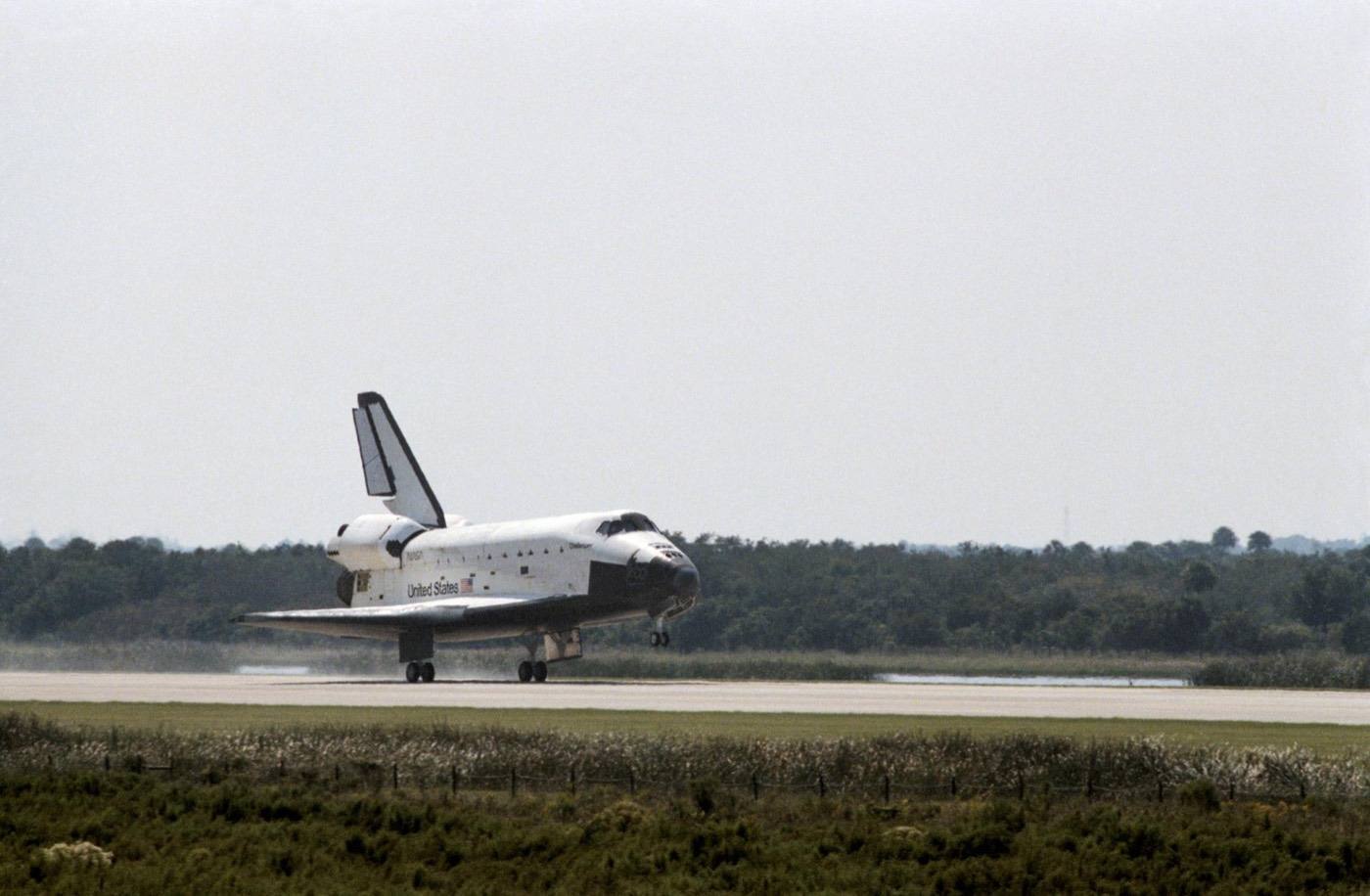
"Our reliance on technology may be our greatest strength, but it also makes us incredibly vulnerable." - Unnamed scientist
A Call for Better Preparedness
Scientists and engineers alike have voiced concerns over the inadequacies of our infrastructure to withstand these solar events. While the left often champions the need for increased funding for science and technology, the right is quick to critique government overspending and inefficiencies. This ideological tug-of-war leaves critical areas, such as space weather preparedness, underfunded and neglected. The irony is that both sides, in their extreme positions, fail to recognize the importance of a balanced approach to funding and oversight.
It is not solely a matter of throwing money at the problem; it is about fostering collaboration between governmental agencies, private sectors, and the scientific community. We need a unified front to tackle the challenges posed by solar storms and other natural disasters.
What Can Be Done
In the wake of this solar storm, there is an urgent need for a comprehensive review of our monitoring systems. Many scientists are advocating for the establishment of a dedicated task force that would focus on solar activity and its implications for Earth. This task force could facilitate better communication between various sectors and ensure that we are not caught off guard in the future.
The Broader Context
In the political arena, the left continues to push for expansive government programs that would address climate change and scientific preparedness. Yet, they often overlook the importance of efficiency and accountability in their initiatives. On the other hand, the right's penchant for deregulation can lead to a dangerous neglect of our scientific infrastructure. As we navigate this political landscape, we must prioritize a pragmatic approach that embraces scientific advancements while ensuring that our systems are robust enough to withstand unexpected challenges.
The recent solar storm was a wake-up call. It was not merely a natural phenomenon but a reflection of our societal shortcomings. Both extremes of the political spectrum must find common ground if we are to fortify our defenses against future storms - solar or otherwise. The time for action is now, before the next storm arrives, with potentially more dire consequences.
Conclusion
As we continue to rely on technology in our everyday lives, the lessons learned from this solar storm cannot be ignored. Both sides of the political spectrum must come together to address this multifaceted issue. Our technological advancements should not come at the cost of our preparedness; instead, they should empower us to face the challenges posed by our universe head-on. Let us hope that this serves as a catalyst for change, guiding us toward a future where we are not just spectators of nature's fury but active participants in our preparedness.
✦ ✦ ✦