From the file. Written for the paper dated April 1988. Opened in the public stacks July 14, 2026.
As factory orders continue to be a vital indicator of the economic pulse in America, recent reports reveal not only a steady increase but also highlight a troubling lack of oversight that could spell trouble for sectors already stressed by a volatile market.
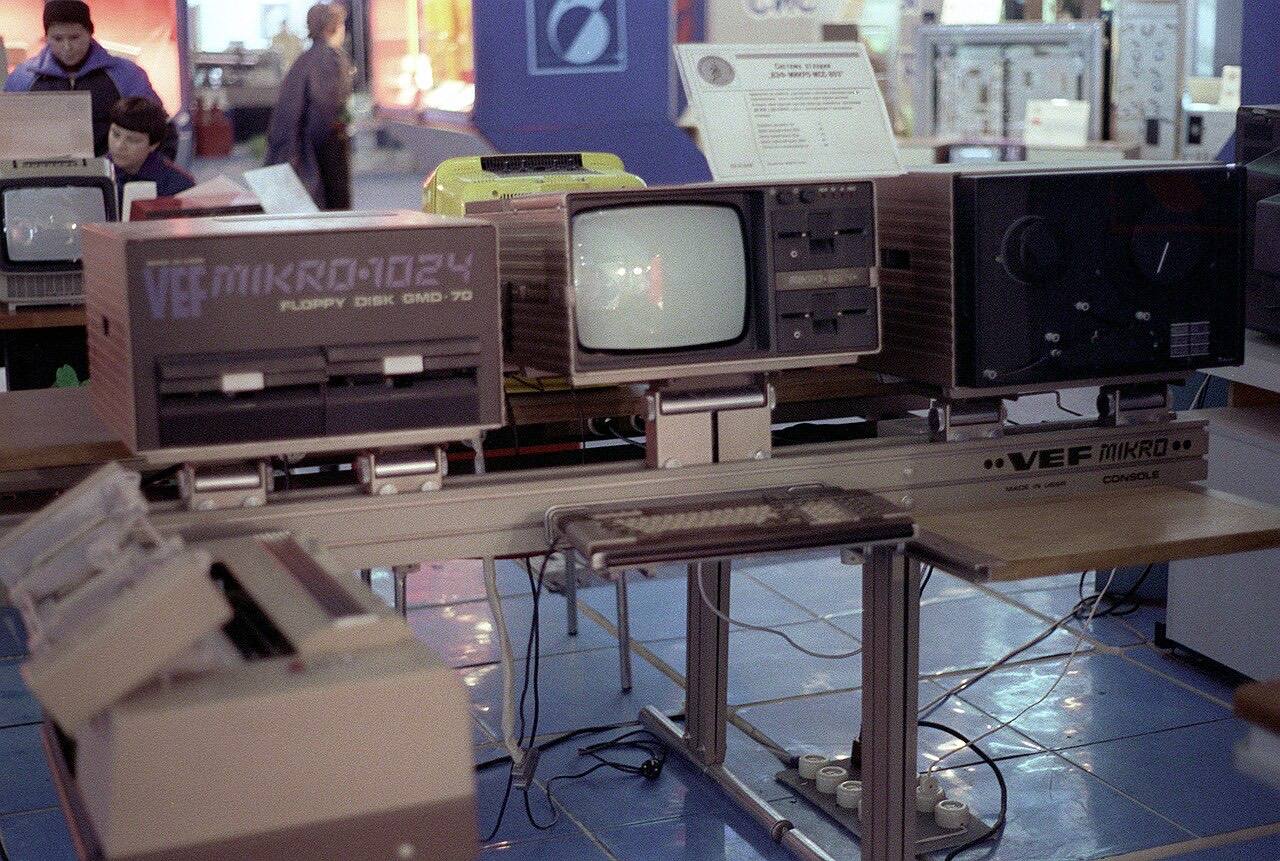
The Numbers Game
According to the latest data from the Commerce Department, factory orders rose by a modest margin in March, reflecting a fragile optimism in manufacturing. However, this increase is not as reassuring as it may seem at first glance. Analysts are raising red flags about the consistency of these numbers, suggesting that the figures might be more a product of optimistic projections than actual orders on the ground.
The manufacturing sector has been grappling with a myriad of challenges, from rising costs to competition from abroad. While the uptick in orders may appear to signal a recovery, it is essential to consider the broader context. The reality is that many manufacturers are still operating on thin margins, and any mistakes in forecasting demand could lead to significant disruptions down the line.
Oversight or Overconfidence?
The crux of the issue lies in the oversight - or lack thereof - surrounding these factory orders. With businesses eager to paint a rosy picture to investors, there is a palpable pressure to report favorable statistics. This has led to a culture of overconfidence, where the emphasis seems to be on presenting an optimistic outlook rather than ensuring that the numbers reflect reality.
On one hand, the right-leaning factions advocate for deregulation, arguing that less government oversight would spur growth and innovation in industries. However, this laissez-faire attitude can lead to a dangerous disconnect between reported figures and the actual market conditions faced by manufacturers. When companies prioritize pleasing shareholders over transparent reporting, the potential for a bubble increases significantly.
Conversely, the left's approach to regulation often leans towards heavy-handed oversight, which can stifle creativity and entrepreneurship. While the intention to protect workers and ensure fair practices is commendable, excessive regulation can hinder the very growth it aims to promote. In this instance, the challenge lies in finding a balance that allows businesses to thrive while still holding them accountable for their claims.
Market Reactions
The stock market's reaction to the latest factory orders has been mixed. While some investors are buoyed by the increase, others remain skeptical. The volatility of the market reflects the uncertainty that has become the norm in recent years. Major corporations are often caught in a tug-of-war between maintaining profitability and meeting the ever-evolving demands of consumers.
There is a growing sentiment among analysts that the current economic climate is characterized by a precarious balancing act. Companies are faced with the dual challenge of managing costs while trying to keep up with consumer expectations for quality and innovation. This environment inevitably leads to a temptation for businesses to manipulate data in their favor, further complicating the already murky waters of factory orders.
"In a market where perception often trumps reality, the integrity of factory orders becomes paramount."
The Consumer Effect
Consumers are caught in the crossfire of these excesses from both sides of the political spectrum. As factory orders fluctuate, the potential for price increases looms larger, impacting everyday Americans. For those reliant on manufactured goods, the uncertainty surrounding supply chains can lead to frustration as they face rising costs with no clear end in sight.
Moreover, the disconnect between reported orders and actual inventory levels can create a false sense of security among consumers. If manufacturers are reporting higher orders than they can fulfill, it could lead to shortages and increased prices, leaving customers with fewer options and higher bills.
The Path Forward
To navigate these turbulent waters, a more nuanced approach is required. Policymakers must recognize the importance of oversight without stifling growth. Establishing transparent reporting standards could help restore faith in the factory orders as a reliable economic indicator. Additionally, fostering open dialogue between businesses and regulators can pave the way for solutions that benefit all stakeholders involved.
Ultimately, the goal should be to create an environment where factory orders reflect the realities of the market, ensuring that both manufacturers and consumers can thrive. Only then can we hope to avoid the pitfalls of excess that have plagued both sides of the ideological spectrum.
✦ ✦ ✦