From the file. Written for the paper dated January 1988. Opened in the public stacks July 14, 2026.
As the world watches with bated breath and a cacophony of excitement, the spectacle of a space launch often overshadows the intricate machinery and mechanisms working tirelessly behind the scenes.
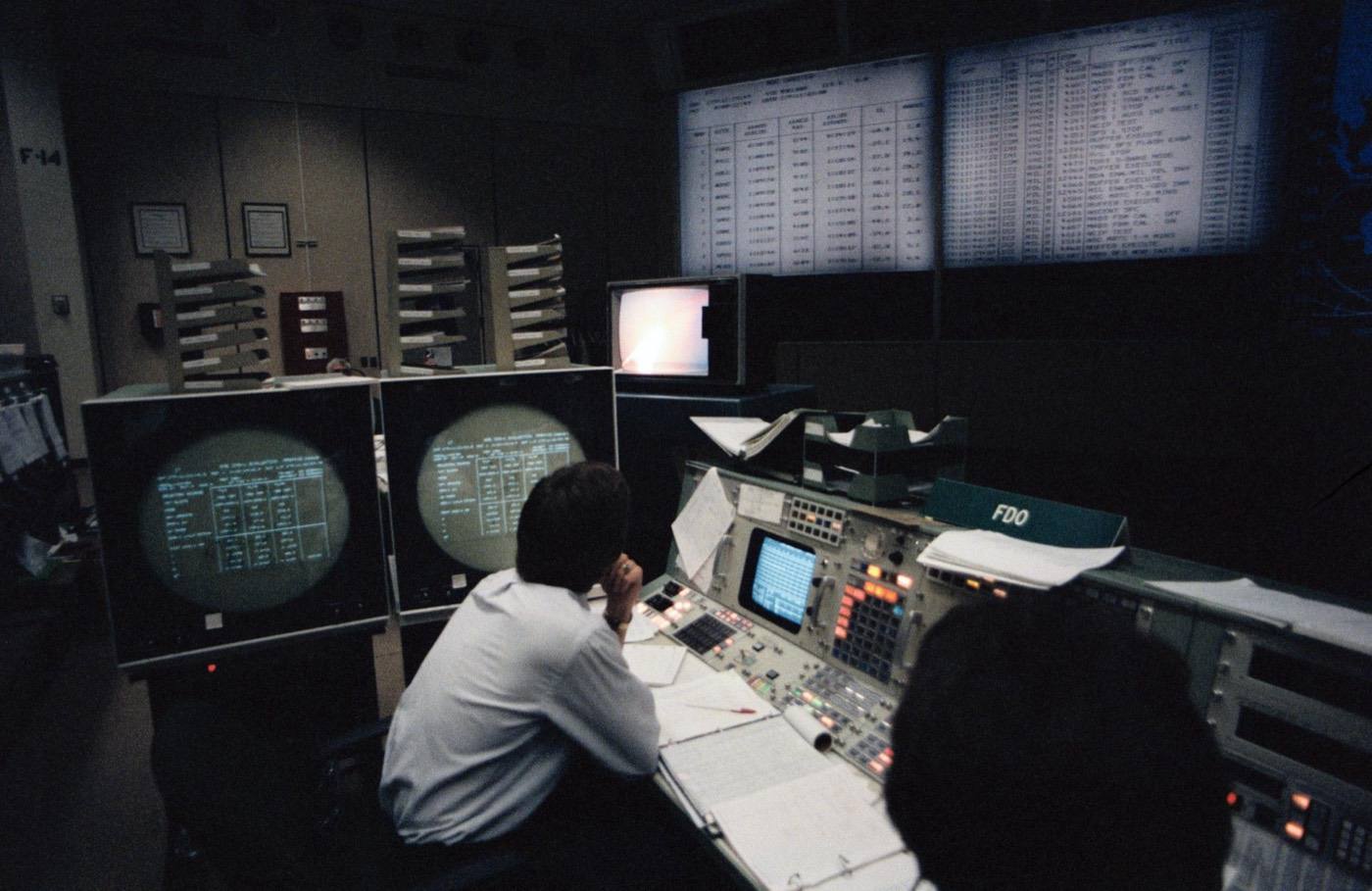
The Machinery of Space Launches
In recent years, advances in space technology have propelled us into an era where space exploration is not merely a dream but a tangible reality. Yet, while rockets are often celebrated as symbols of human ingenuity, the true marvel lies in the less glamorous, yet crucial, mechanisms that make these launches possible.
Take, for instance, the launch pad. It is the unsung hero of every mission, a complex platform meticulously designed to withstand the immense forces at play during a launch. The structural integrity of the pad is paramount; the launch vehicle’s engines generate a staggering amount of thrust, and without a solid foundation, the entire operation could falter.
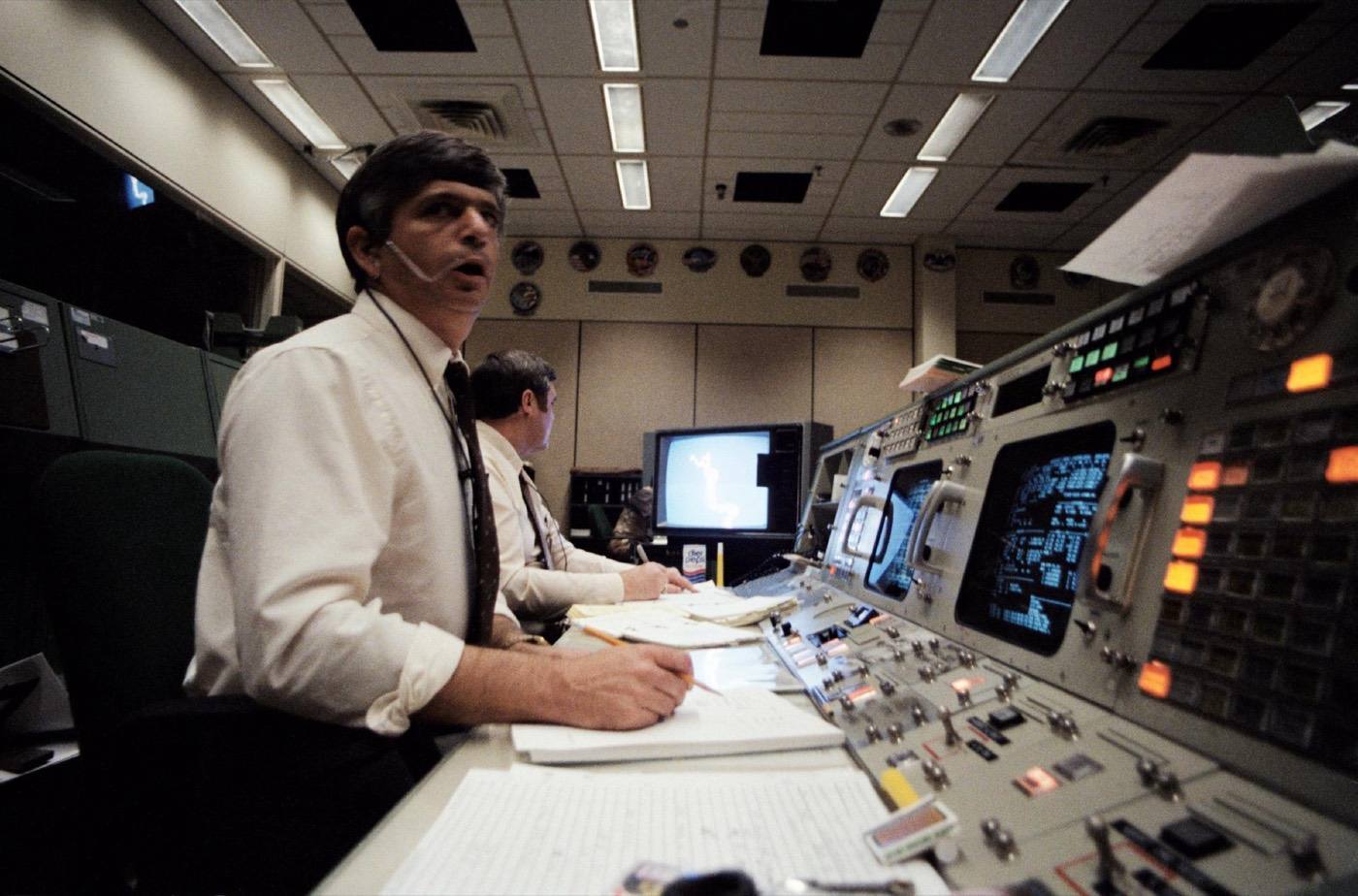
Many may think that the noise of a rocket launch is simply the roar of engines igniting, but it is, in fact, a symphony of mechanical operations. From the ignition sequence to the countdown clock, each element works in concert to ensure a successful launch. The sound itself, echoing through the landscape, serves as a reminder of the power being unleashed.
“Every launch is a testament to human perseverance, but behind every roar is a quiet story of engineering excellence.”
Challenges in Engineering
However, this engineering excellence does not come without its challenges. The pressures of innovation can lead to excessive competition among agencies and private companies vying for dominance in the space industry. This race often breeds an environment where safety protocols can be compromised in the name of speed and efficiency.
Moreover, the public's fascination with space exploration can lead to unrealistic expectations. While the thrill of a new launch generates excitement, it can also create a culture that overlooks the painstaking work involved in preparing for such missions. The public appetite for rapid advancements can pressure engineers and scientists to cut corners, risking the very safety of those who dare to venture beyond our atmosphere.
Political Pressures and Their Consequences
The political landscape surrounding space exploration further complicates matters. Government funding is often tied to public interest, which can fluctuate dramatically based on current events. This creates a cycle where funding for ambitious projects is robust one year, only to be slashed the next when public enthusiasm wanes. Such volatility makes it difficult for scientists and engineers to plan long-term projects that require sustained investment and commitment.
On one side of the political spectrum, some argue that space exploration is a waste of taxpayer dollars and that funds should be redirected to pressing issues on Earth. Critics of this view highlight the technological advancements that have emerged from space research, which have had profound impacts on various sectors, including telecommunications and weather forecasting. Yet, the tension remains. On the other hand, proponents of unchecked spending in the space sector often seem oblivious to the societal needs that require immediate attention, advocating for ambitious projects without a clear roadmap for funding or execution.
The Future of Space Exploration
As we stand on the brink of a new era in space exploration, it is crucial to strike a balance between ambition and responsibility. The achievements of today must not come at the expense of future generations. Sustainable practices in engineering must be prioritized to ensure the longevity of human presence in space.
The call for collaboration between public and private sectors cannot be overstated. By pooling resources and expertise, we can create a more stable environment for innovation, ensuring that the thrill of space exploration does not diminish the safety and well-being of those involved. An open dialogue between scientists, engineers, and policymakers is essential to navigate the complexities of funding and ethical considerations in the field.
While the sound of a rocket launch may be thrilling, it is the quiet efforts of countless individuals that truly deserve our attention. The next time you witness the spectacle of a launch, consider the intricate mechanisms at work and the responsibilities that come with such endeavors. It is not just about reaching for the stars; it is about doing so with integrity and foresight.
✦ ✦ ✦