From the file. Written for the paper dated December 1987. Opened in the public stacks July 14, 2026.
As the debate rages on regarding the recent radar anomaly spotted over the Pacific, it becomes increasingly clear that both sides of the political spectrum are engaging in a familiar dance of selective memory.
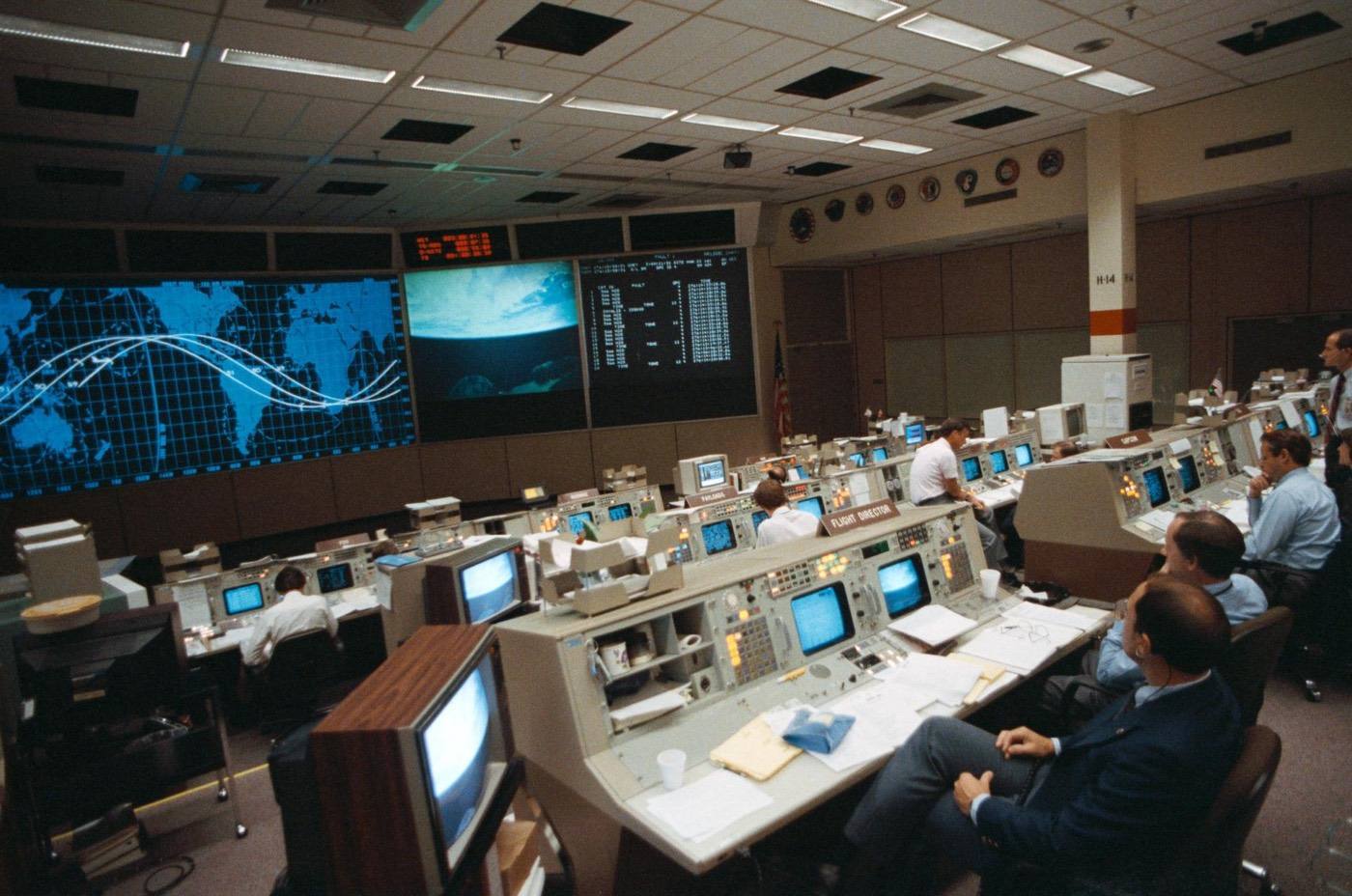
The Anomaly in Question
In recent weeks, radar systems operated by the U.S. military detected an unexplained object moving at high speeds over the Pacific Ocean. The initial reports sparked a flurry of speculation, with various factions attributing the anomaly to everything from foreign military activity to extraterrestrial origins. While the scientific community urges caution and thorough investigation, the political narrative surrounding this event has taken on a life of its own, revealing the troubling tendency of both left and right to cherry-pick facts that serve their agendas.
Selective Memory on the Left
The left, traditionally more skeptical of military expenditures, has seized on the radar anomaly as a potential failure of our defense systems. Progressive commentators are quick to point out that the military-industrial complex has a history of misallocation of resources, often prioritizing defense contracts over actual technological advancements. However, in their fervor to critique, they overlook past instances where the government has successfully intercepted threats, such as during the Cold War. This selective memory undermines a balanced discussion about the efficacy and future of national defense.

Selective Memory on the Right
On the opposite end, the right seems to be reveling in the radar anomaly as a potential validation of their hawkish stance on defense spending and military readiness. Conservative pundits argue that this is evidence of the need for increased funding to ensure our military can respond to unknown threats. Yet, they conveniently forget the numerous instances when military spending was criticized for lack of accountability and effectiveness. The right’s selective embrace of this incident as a rallying cry for increased defense budgets reflects a similar failure to engage with the nuanced realities of military policy.
“The anomaly is a reminder that the truth is often neglected in favor of political expediency.”
The Role of Media
The media, caught in the crossfire of this partisan tug-of-war, has also played a role in amplifying selective narratives. Sensationalism drives ratings, and that often leads to headlines that prioritize drama over accuracy. The coverage of the radar anomaly has been no exception, with outlets offering speculative reports that prioritize intrigue over factual reporting. As journalists, we must strive for a more responsible approach, one that seeks to inform the public while resisting the allure of sensationalism.
The Need for a Balanced Approach
As we navigate the complexities of the radar anomaly and its implications for national security, it is essential to adopt a balanced perspective. We cannot afford to let partisan loyalties dictate our understanding of the facts. Both sides have valuable insights to offer, yet they risk alienating the public with their extremes.
Conclusion
In an age of rapid technological advancement and heightened geopolitical tensions, the radar anomaly serves as a poignant reminder of the importance of a thorough and objective examination of facts. We must resist the urge to fall into the traps of selective memory and partisan narratives. Only through a balanced discourse can we hope to arrive at meaningful solutions to the challenges we face.
✦ ✦ ✦