From the file. Written for the paper dated December 1987. Opened in the public stacks July 14, 2026.
As the nation turns its attention to the latest cabinet nomination, we find ourselves in a familiar place - caught in the web of selective memory that seems to plague both sides of the political spectrum.
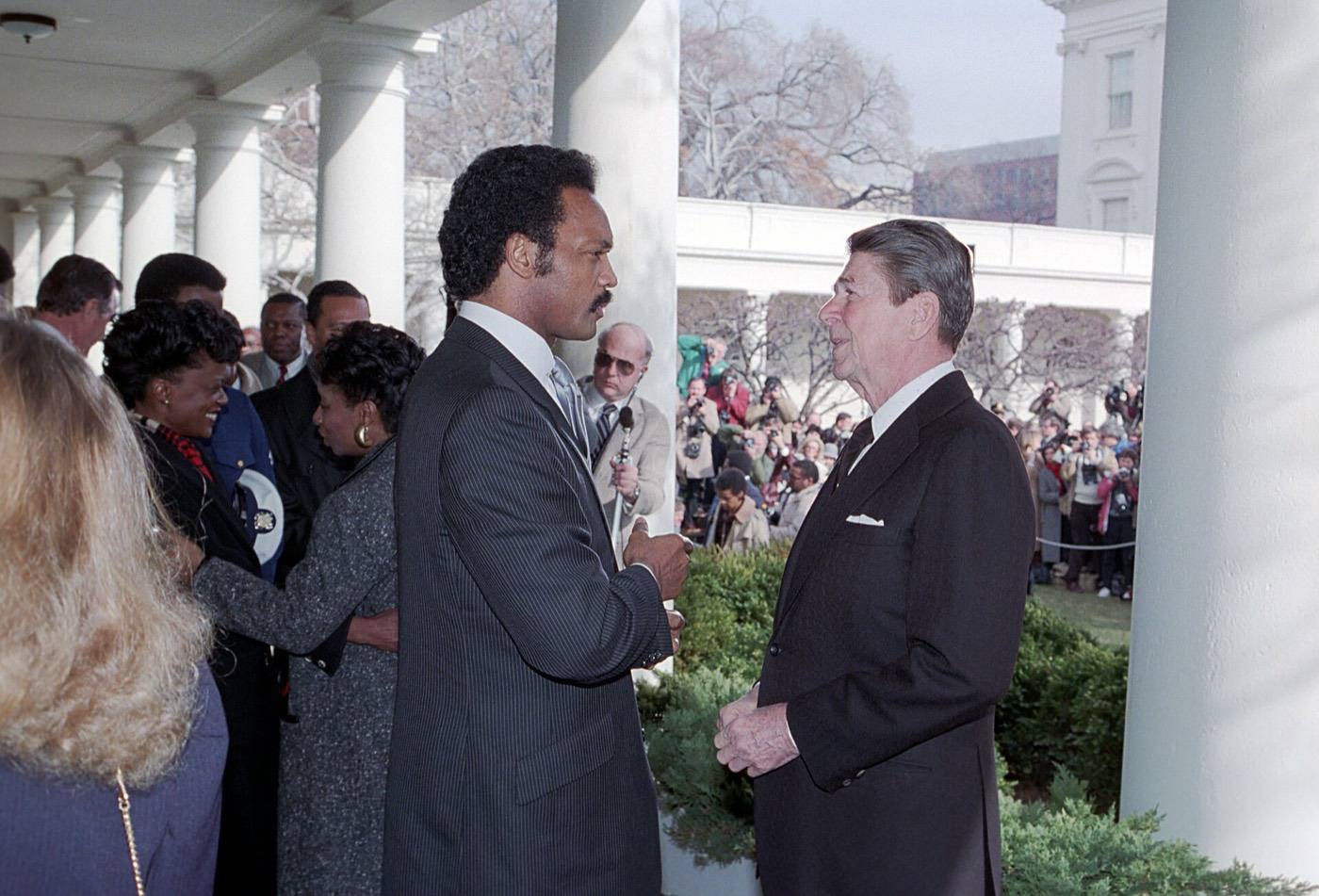
The Cabinet Nomination Circus
The recent nomination of a new cabinet member has sparked the usual political theater, with both Democrats and Republicans scrambling to stake their claims. While one side hails the nominee as a visionary, the other decries the choice as a glaring example of incompetence and insensitivity. What is often overlooked in this fracas is the tendency of both parties to engage in selective memory when it comes to their own pasts and the actions of their own members.
On the right, conservatives are often quick to criticize the government’s expansion and overreach, yet many conveniently forget the years when their own leaders expanded the federal government to unprecedented levels. The Reagan administration, celebrated for its tax cuts and deregulation, has also been marked by an increase in federal spending, particularly in defense. The irony is palpable - the very same individuals who championed a smaller government are now endorsing a nominee who may continue that expansion in a different guise.
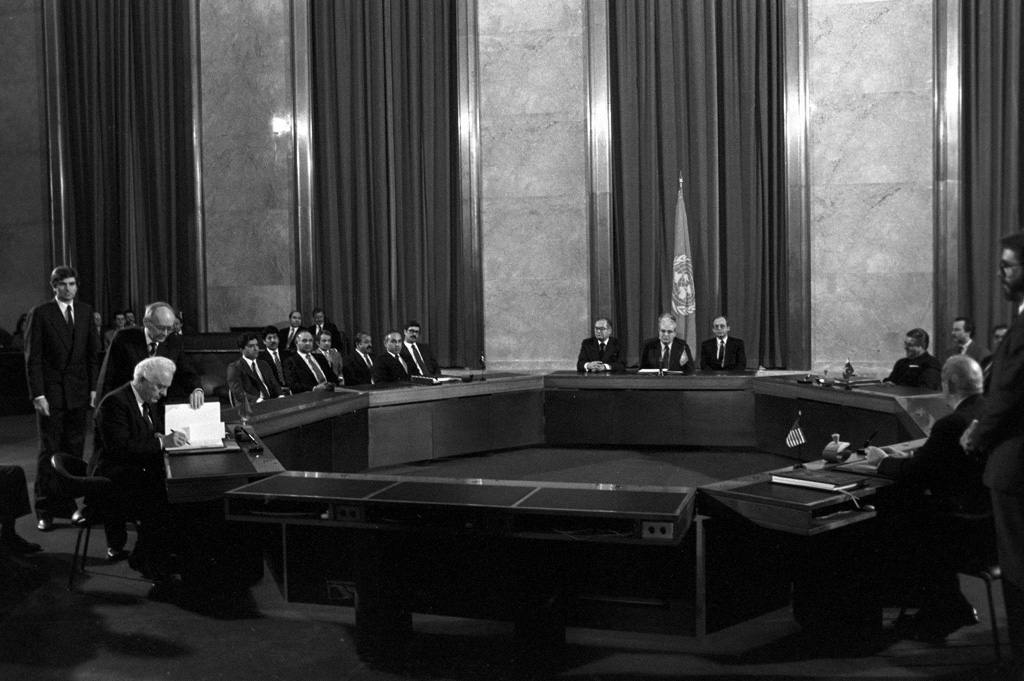
Meanwhile, on the left, we see a similar pattern. Liberals tend to elevate their champions to near-sainthood, often glossing over their less-than-stellar moments in office. The political baggage that comes with their past policies is frequently ignored, leading to a skewed perception of their effectiveness. When the Democrats criticize the current administration's handling of social issues, they often forget the compromises made during their own time in power that led to the very systemic problems they now seek to rectify.
"Both parties engage in a selective memory that allows them to present a curated narrative of their political histories."
A Call for Accountability
This habit of selective memory has real-world implications. It creates an environment where accountability is compromised, and the electorate is left grappling with a distorted view of political realities. Voters deserve to know the full story behind cabinet nominees, including their past decisions and the ramifications of those choices.
As the nomination process unfolds, we must demand transparency and honesty from our leaders. Both parties should be held accountable for their actions, not just for the sake of the current political climate, but for the integrity of our democracy. The selective amnesia that grips Washington is dangerous, and it fosters a culture where politicians can evade responsibility for their pasts.
What’s at Stake?
As citizens, we must engage critically with the narratives presented to us. The nomination battles are not just about who will fill a position; they are about the fundamental values that guide our governance. We must resist the urge to accept the simplified narratives that politicians and the media often peddle. Instead, we should strive for a more nuanced understanding of the complexities involved in governance and policy-making.
In an era where political discourse is increasingly polarized, fostering a culture of accountability requires effort from all sides. This means challenging our leaders when they attempt to rewrite history to serve current agendas. It means recognizing that past mistakes must inform future decisions, rather than be swept under the rug.
Moving Forward
As we navigate this current cabinet nomination, let us remember the lessons of the past - both the successes and the failures. The future of our democracy depends not just on who sits in the cabinet, but on the integrity of the process that brought them there. Whether you lean left or right, the pursuit of truth and accountability must be a shared goal.
In doing so, we can hope to rise above the partisan squabbles that so often dominate our political landscape. A commitment to a fuller understanding of our leaders and their records could foster a healthier political culture, one that prioritizes substance over spectacle.
✦ ✦ ✦