From the file. Written for the paper dated October 1987. Opened in the public stacks July 14, 2026.
In the midst of a government budget standoff, the political landscape in Washington is as polarized as ever. As Democrats and Republicans dig in their heels, the prospect of a compromise seems dimmer each day.
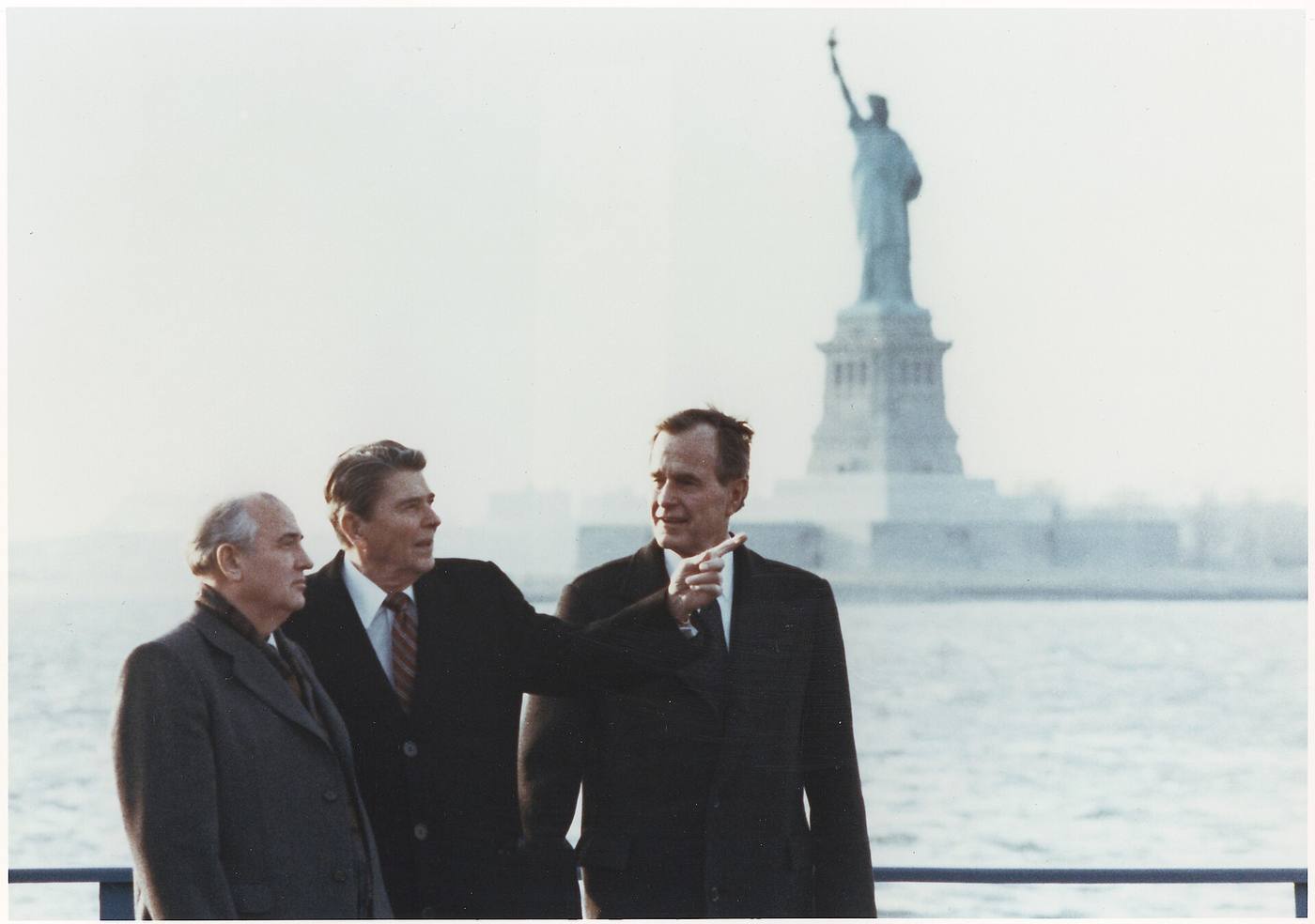
Stalemate in the Capital
The ongoing budget debate has become a showcase of the excesses of both political parties. On one side, we have the Democrats, who seem to be championing an expansive government role in economic management, pushing for increased spending on social programs without a clear plan for fiscal responsibility. Their insistence on maintaining funding levels for various entitlement programs appears to neglect the burgeoning national deficit, which continues to raise alarms among fiscal conservatives.
On the other side, the Republicans have adopted a posture of rigid austerity that borders on ideological zealotry. Their refusal to entertain any form of compromise on tax increases or revenue enhancements has led to a gridlock that could have lasting repercussions for the economy. The GOP’s fixation on cutting spending at all costs, while admirable in its intent to reduce the deficit, often comes at the expense of crucial services that millions rely on.
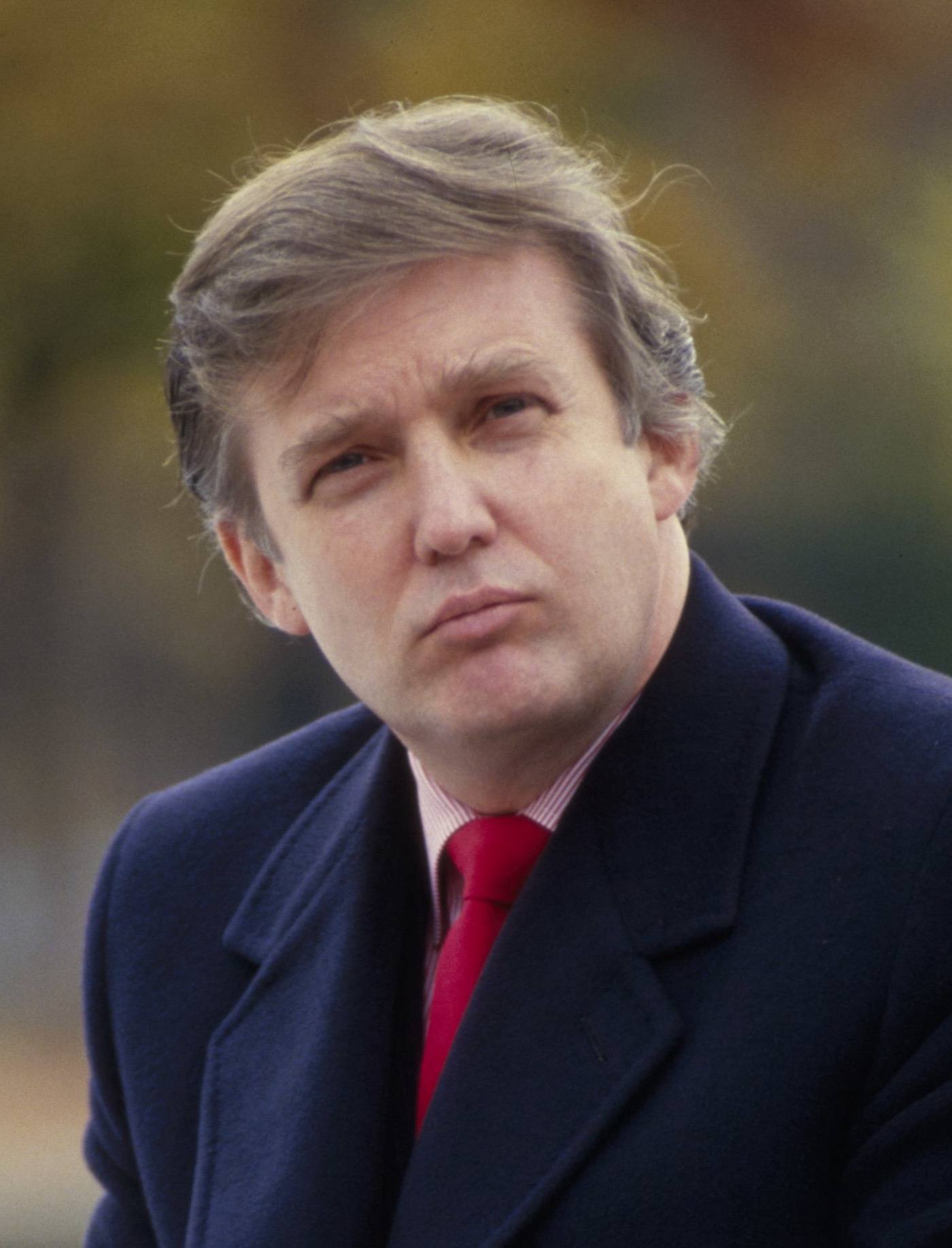
"The budget battle is not just a number game; it’s about the kind of nation we want to be."
This week, as negotiations have stalled, it has become increasingly apparent that both parties are engaging in political theater more than substantive policymaking. The Democrats are rallying their base with emotional appeals about poverty and unemployment, while the Republicans are rallying theirs with dire warnings about government overspending. While both perspectives have merit, the excessive rhetoric is drowning out the possibility for meaningful dialogue.
The Voices of Reason
Amidst this cacophony, it is essential to recognize the voices that advocate for a middle ground. Moderate politicians from both sides have begun to emerge, urging their colleagues to break free from party lines and prioritize the needs of Americans over political posturing. These centrists are calling for a balanced approach that includes both responsible spending cuts and measured revenue increases, a remedy that could restore some sanity to this fiscal madness.
Yet, the voices of reason are often drowned out by the loudest factions within each party. The left's insistence on social spending and the right's dogmatism about cutting the size of government have left many Americans feeling disenfranchised and frustrated. It is crucial for constituents to demand that their elected officials engage in the hard work of compromise rather than cling to their ideological comforts.
Implications for the Future
The ramifications of this budget standoff are not merely academic; they will have real consequences for millions of Americans. A failure to reach an agreement may result in delayed payments for social programs, a disruption of essential services, and a further erosion of public trust in government institutions.
Moreover, the longer the standoff continues, the more it feeds into the narrative of dysfunction that has plagued Washington for years. If both parties cannot find a way to come together, the American people may grow more disillusioned, leading to apathy and disengagement from the political process - a dangerous trajectory for a democracy that thrives on civic participation.
In conclusion, the resolution of this budget standoff will require significant sacrifices from both sides. The Democrats must recognize that unchecked spending is not a sustainable path, while Republicans need to understand that a rigid adherence to austerity can have dire consequences for those most in need. Only through a commitment to honest dialogue and a focus on the common good can we hope to resolve this impasse and move forward as a nation.
✦ ✦ ✦