From the file. Written for the paper dated September 1987. Opened in the public stacks July 14, 2026.
As the headlines fade and the public's attention shifts, the intricate science behind weather modeling often goes unnoticed. Yet, it is this very science that determines our understanding of atmospheric phenomena and guides our responses to natural disasters.
The Unseen Work Behind Weather Forecasts
The recent hurricane season has brought the complexities of weather forecasting to the forefront of public interest. As media outlets parade dramatic images of storms and their aftermath, few pause to consider the laborious procedures that underpin these forecasts. While sensational headlines capture attention, the nuanced process of developing accurate weather models remains largely overlooked.
"The public often sees only the immediate impact of weather events, not the scientific intricacies behind the predictions."
Weather models are essentially mathematical representations of atmospheric phenomena, derived from vast amounts of data gathered from satellites, weather stations, and buoys. These models rely on physics and fluid dynamics to simulate how air and moisture move and interact. However, the public’s fascination with the spectacle of weather often obscures the rigorous methodology that meteorologists employ.
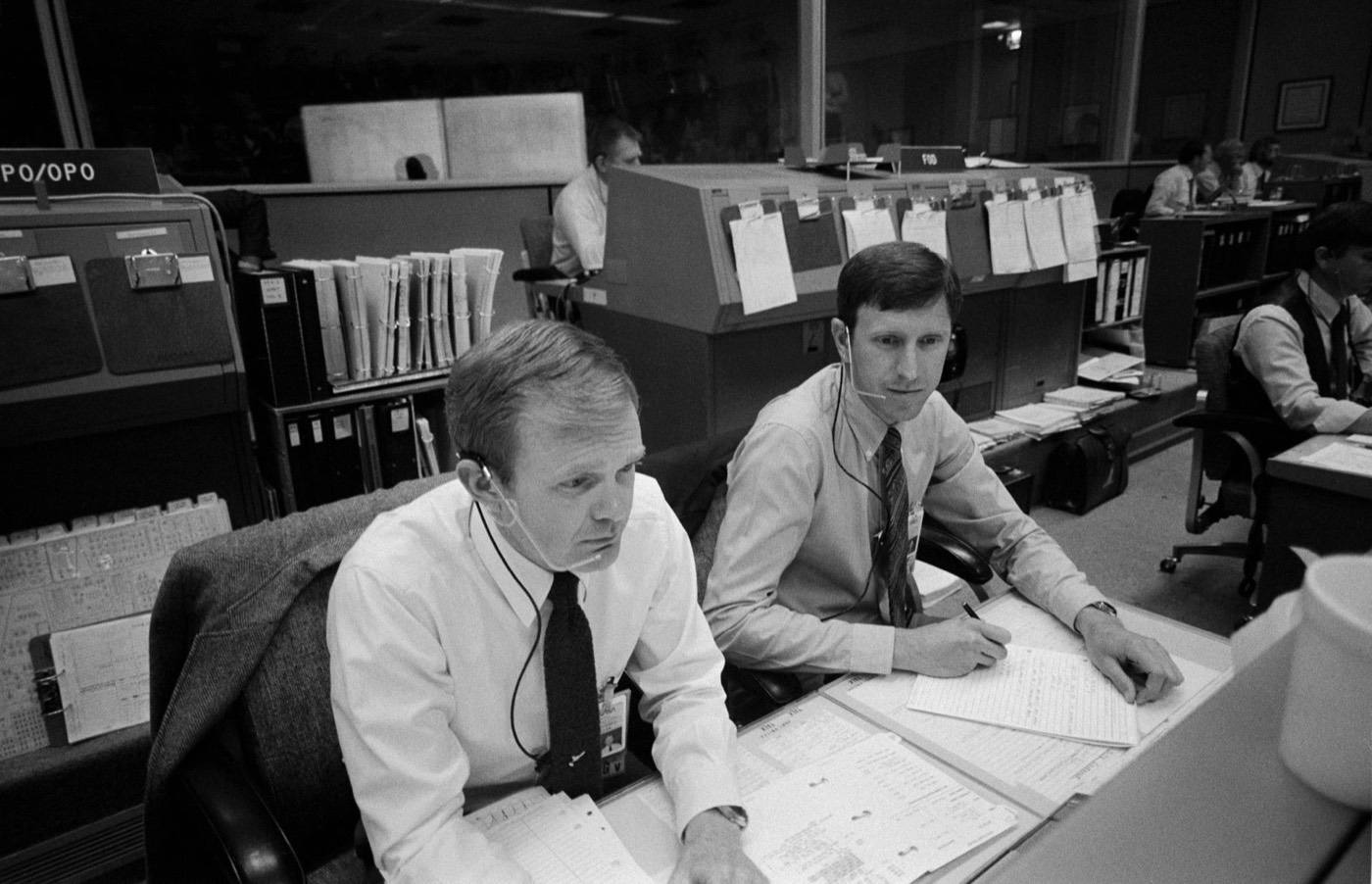
When a hurricane is imminent, the media’s attention rightly focuses on human impact. But what about the models that predict the storm's path? These models are not infallible; they are approximations that carry a degree of uncertainty. Meteorologists must interpret these models carefully, balancing the urgency of public safety against the inherent complexities of atmospheric science.
Excesses of Alarmism and Skepticism
In recent months, we have witnessed the extremes of both alarmism and skepticism regarding weather forecasts. On one hand, some media outlets sensationalize impending weather events, amplifying fear and anxiety among the public. Headlines that scream about “the storm of the century” can lead to panic and misguided responses, detracting from rational planning and preparedness.
Conversely, there exists a segment of the population that dismisses the forecasts altogether, attributing them to exaggeration or incompetence. This skepticism can be equally damaging, as it fosters a dangerous complacency in the face of real threats. The truth lies somewhere in between: while weather forecasts are not perfect, they represent the best scientific understanding we have of chaotic systems.
The Role of Technology and Public Trust
Advancements in technology have vastly improved the accuracy of weather models over the years. Satellite imagery and computer simulations allow for unprecedented detail in forecasting. However, with these advancements comes a responsibility to communicate findings effectively. Meteorologists must strive to bridge the gap between complex data and public understanding.
Moreover, the responsibility does not rest solely on the shoulders of meteorologists. Media outlets play a critical role in how weather information is disseminated. It is essential that they provide context to forecasts, helping the public grasp the nuances of uncertainty that accompany any prediction. A well-informed public is better equipped to respond appropriately to weather threats.
"The media must convey the science behind the forecasts to foster a well-informed public."
Thus, the onus is on both scientists and journalists to enhance public discourse surrounding weather modeling. As we continue to face increasingly erratic weather patterns, a collaborative effort to educate the public could foster greater resilience and preparedness.
Looking Ahead: A Call for Balanced Dialogue
As we stand at the intersection of science and public policy, it is imperative that we confront the excesses of both alarmism and skepticism. A balanced dialogue about weather modeling can pave the way for informed decision-making, enabling communities to respond effectively to natural disasters while also embracing the limitations of our predictions.
In conclusion, the next time a headline captures your attention, take a moment to consider the science that lies beneath. Weather models represent not just numbers and charts, but a dedication to understanding our planet's chaotic systems. It is a delicate balance that requires both a scientific and a communicative approach, ensuring that the public remains informed and prepared.
✦ ✦ ✦