From the file. Written for the paper dated September 1987. Opened in the public stacks July 14, 2026.
As the headlines about public clinics fade from the front pages, the reality of their operations presents a stark contrast to the rhetoric surrounding them. While both sides of the political aisle offer their perspectives, it is the patients, often forgotten amidst the debates, who bear the burden of policy decisions.
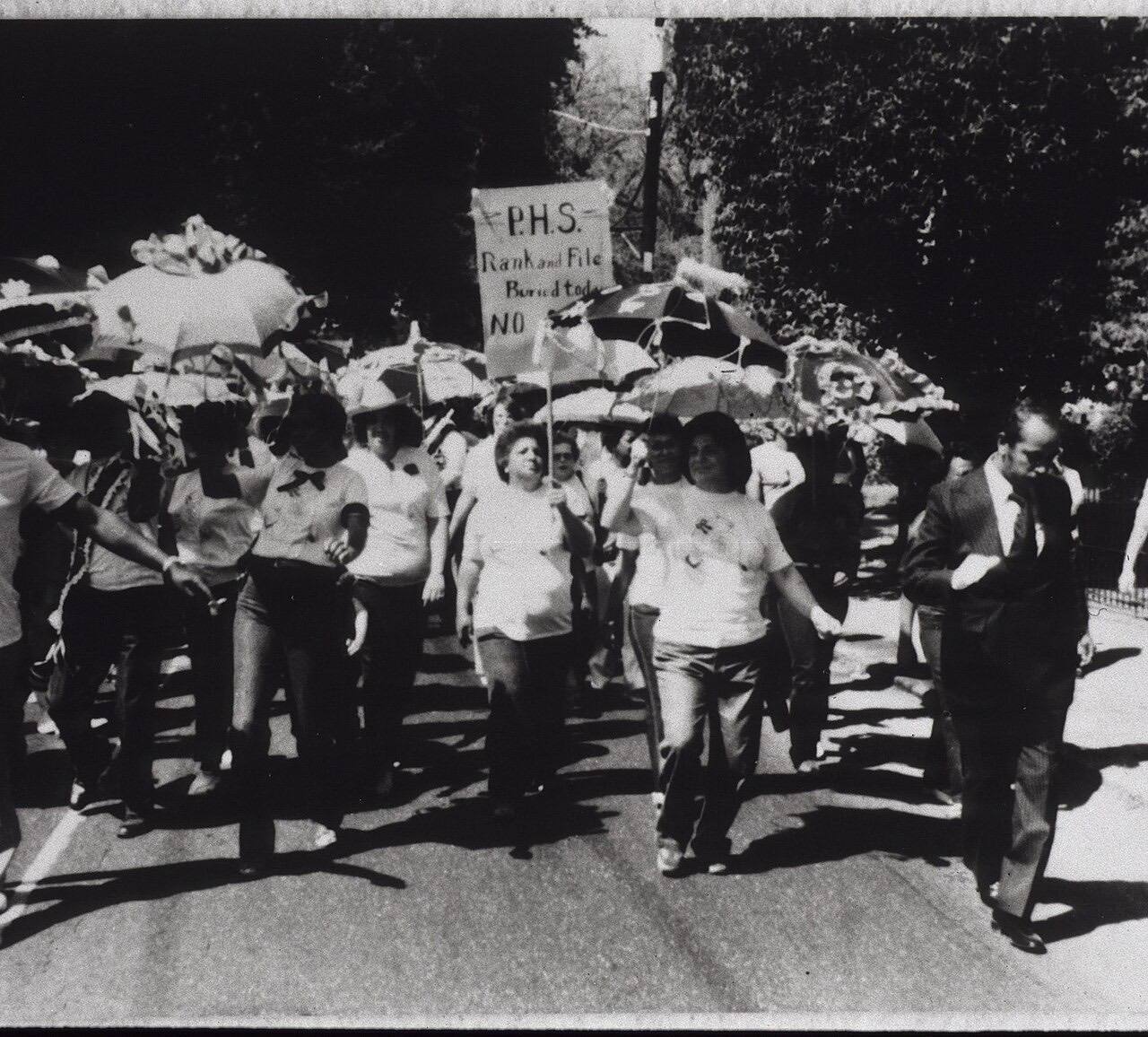
Politics and Public Health
The ongoing discourse about public clinics has become a battleground for left and right ideologies. On one side, proponents of government-sponsored healthcare argue vehemently for increased funding and accessibility. They paint a picture of a compassionate society that should care for its most vulnerable citizens. Yet, at times, their enthusiasm borders on idealism, neglecting the practical challenges that come with managing such facilities.
Conversely, critics from the right often decry public clinics as examples of governmental overreach, suggesting that private enterprise could better serve healthcare needs. They emphasize efficiency and the dangers of dependency on state-run systems. However, this view tends to overlook the reality that many individuals rely on these clinics for basic health services, especially in underserved communities.
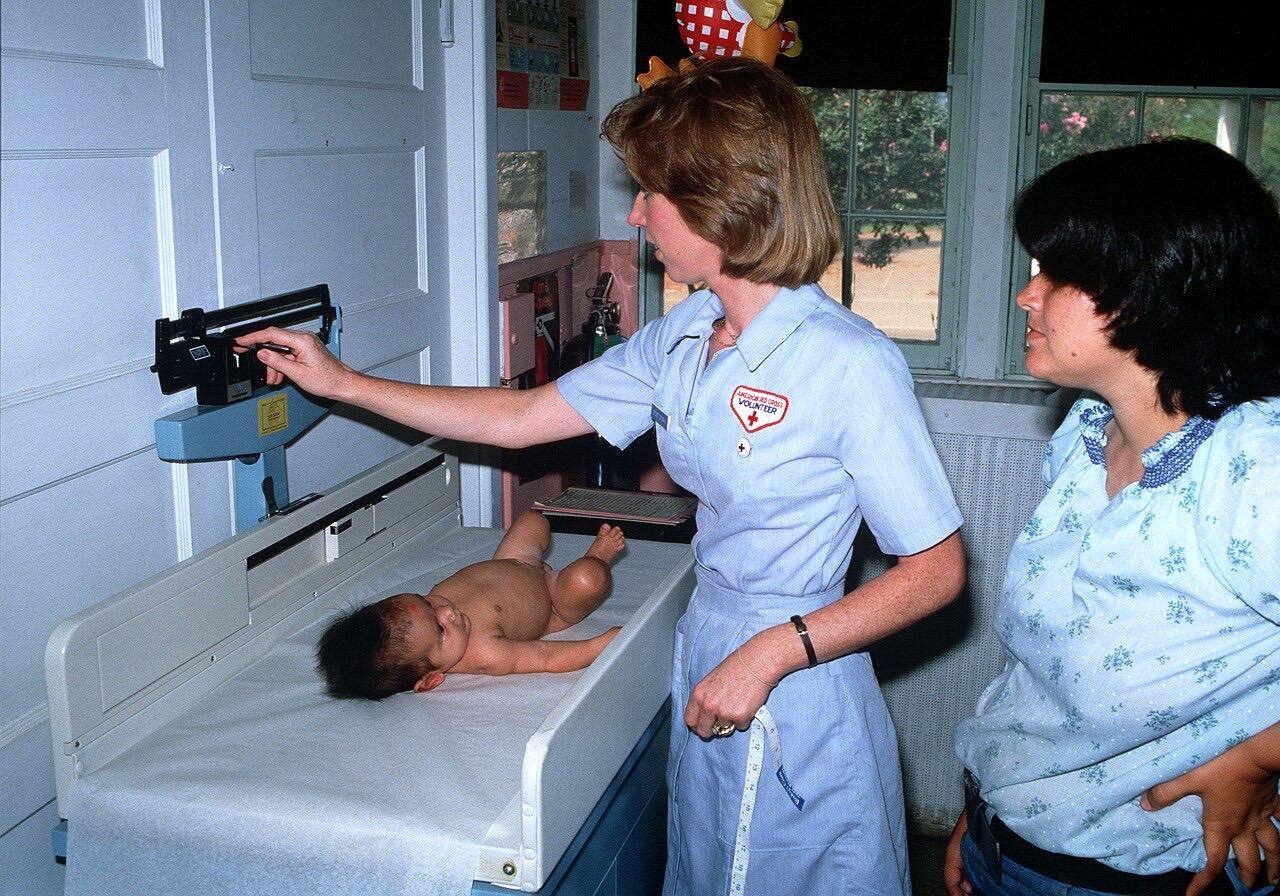
"The procedure nobody wants to discuss is often the very one that our most vulnerable citizens need most urgently."
Unspoken Realities of Public Clinics
One crucial area that seldom receives attention is the issue of reproductive health services. Public clinics often provide essential care that includes family planning and related services. However, these topics can quickly become politically charged, creating an environment where patients feel stigmatized or judged for seeking care.
While the left advocates for comprehensive reproductive health services as a matter of choice and autonomy, some voices on the right vehemently oppose them, framing such services as moral failings. This division leads to a disservice to women who rely on these resources for health management and education. Instead of fostering open dialogue, the rhetoric creates barriers that prevent access to necessary care.
The Human Element
Ultimately, the debates surrounding public clinics can obscure the human element. Many patients who walk through the doors of these facilities are not there for political discussions but rather for urgent care that affects their daily lives. They are mothers seeking prenatal care, young individuals needing vaccinations, and families navigating chronic conditions. Their experiences should not be relegated to a footnote in political agendas.
Moreover, the resources available at these clinics often do not match the needs of the communities they serve. Long wait times and limited services can exacerbate health issues rather than alleviate them. Both sides of the aisle must recognize that ideological posturing does not address the pressing needs of patients who rely on these clinics for their well-being.
Call for Balanced Discourse
As we reflect on the state of public clinics, it is clear that a balanced discourse is necessary. The left must acknowledge the logistical hurdles and inefficiencies that can arise in large governmental systems, while the right should recognize the fundamental need for accessible healthcare in all communities. The voices of patients should serve as a reminder that healthcare is not merely a political issue but a vital aspect of human dignity.
Conclusion
In the end, public clinics are at the intersection of health and politics. While discussions about their future continue, it is imperative to bring the focus back to the patients who depend on these services. Only through collaboration and understanding can we ensure that these clinics fulfill their mission of providing essential care to those who need it most. The time has come for a united approach that prioritizes health over politics.
✦ ✦ ✦