From the file. Written for the paper dated August 1987. Opened in the public stacks July 14, 2026.
In an era where political theater often overshadows substantive policy discussions, the recent wave of cabinet resignations has drawn both attention and scrutiny. Yet behind the headlines and the drama lies a complex and often mundane mechanism that drives these changes.

Understanding the Resignation Cycle
The recent spate of cabinet resignations has sparked fervent debates across party lines. While some on the left have labeled these departures as indicative of a faltering administration, those on the right have seized the opportunity to criticize what they perceive as a lack of stability in the current government. However, the truth is that cabinet changes are not merely the results of political failures or successes; they are part of a cyclical process inherent to governance.
Cabinet members often resign for a variety of reasons: personal ambitions, policy disagreements, or simply the desire for a change in scenery. This month alone, we have witnessed three high-profile resignations that have sent shockwaves through Washington. Yet, the media frenzy surrounding these exits often overlooks the underlying reasons that influence these decisions.
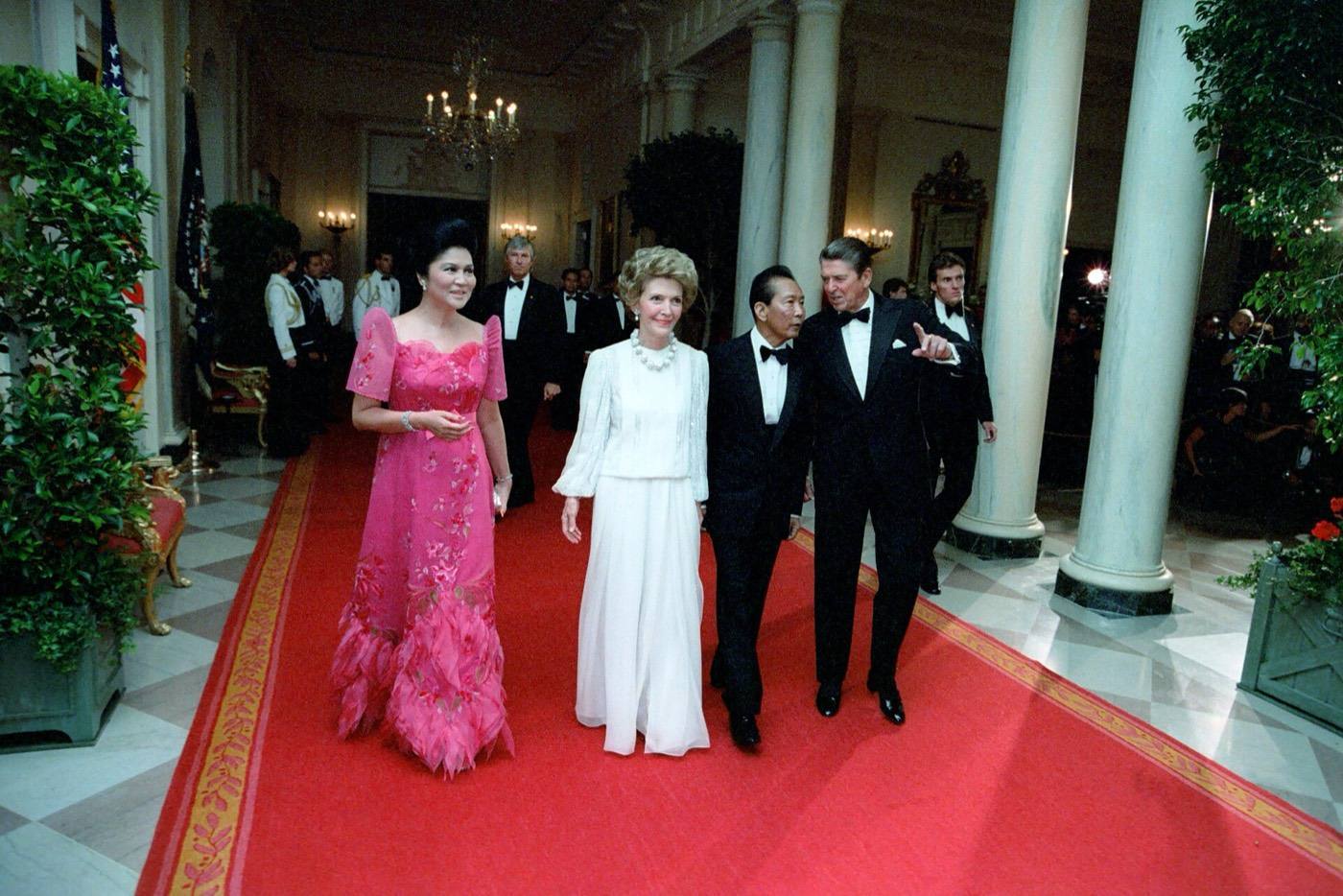
"In a political climate rife with accusations and counter-accusations, the reality of cabinet resignations is far less glamorous than the news cycles would have us believe."
The Political Theater
The left has often portrayed these resignations as a sign of chaos and dysfunction within the administration. This narrative, while compelling, risks oversimplifying a much more nuanced situation. The constant turnover may indeed seem alarming, but it can also reflect an administration's attempt to recalibrate its policies and strategies in response to shifting public sentiments and pressures from Congress.
Conversely, the right has used these resignations to bolster their claims of incompetence, suggesting that an administration unable to hold onto its own cabinet members is fundamentally flawed. This perspective tends to ignore the reality that change can also bring fresh perspectives and ideas to the table. Not every resignation signals a failure; sometimes it heralds an opportunity for renewal.
Institutional Mechanisms at Play
What often goes unnoticed in these discussions is the institutional framework that governs cabinet appointments and resignations. The U.S. Constitution grants the president the authority to appoint and remove cabinet members, but the political realities surrounding these actions are far more complex. The Senate's confirmation process, for instance, can be a significant hurdle for newly appointed cabinet members, leading to a sense of instability even before they take their positions. In this light, resignations can sometimes be a strategic move to preserve political capital or to avoid contentious confirmation battles.
Moreover, cabinet members operate within a highly charged environment where public opinion can shift rapidly. An unpopular decision or policy can lead to a swift exit, not necessarily because of failure on a personal level but as a response to the broader political landscape. In this sense, resignations are often less about individual culpability and more about the need for adaptation within a dynamic and unpredictable political arena.
Moving Beyond the Noise
As political observers, we must strive to see beyond the sensationalism that often accompanies cabinet changes. This is not to say that we should ignore the implications of these resignations or their potential to reshape policy discussions. Rather, we should recognize that the mechanisms behind them are often far more banal than the media would have us believe.
Ultimately, the challenge lies in balancing our appetite for political drama with a commitment to understanding the fundamental processes that govern our government. Both the left and right have their own narratives to promote, but the truth is that cabinet resignations are a reflection of governance in action, not merely a sign of dysfunction or failure.
✦ ✦ ✦