From the file. Written for the paper dated July 1987. Opened in the public stacks July 14, 2026.
In a political landscape where headlines are made daily, the recent wave of cabinet resignations has raised eyebrows and questions about the integrity of leadership and the motivations behind these departures.

Unraveling the Narrative
Cabinet resignations often come in the wake of scandals, controversies, or policy disagreements. Yet, in July 1987, the frequency of these departures seems to overshadow the actual reasons behind them. With each resignation, the media churns out stories, but the substance often gets lost in the sensationalism.
When we look at the recent resignations, one must ask: are these leaders stepping down to preserve their integrity, or are they merely trying to escape the fallout from their own actions? The answer is not always clear. Take, for instance, the recent high-profile resignations following the Iran-Contra affair. Although some individuals left in protest against questionable policies, others seemed to flee the scene to save their own skins. The motivations behind these resignations warrant careful scrutiny.
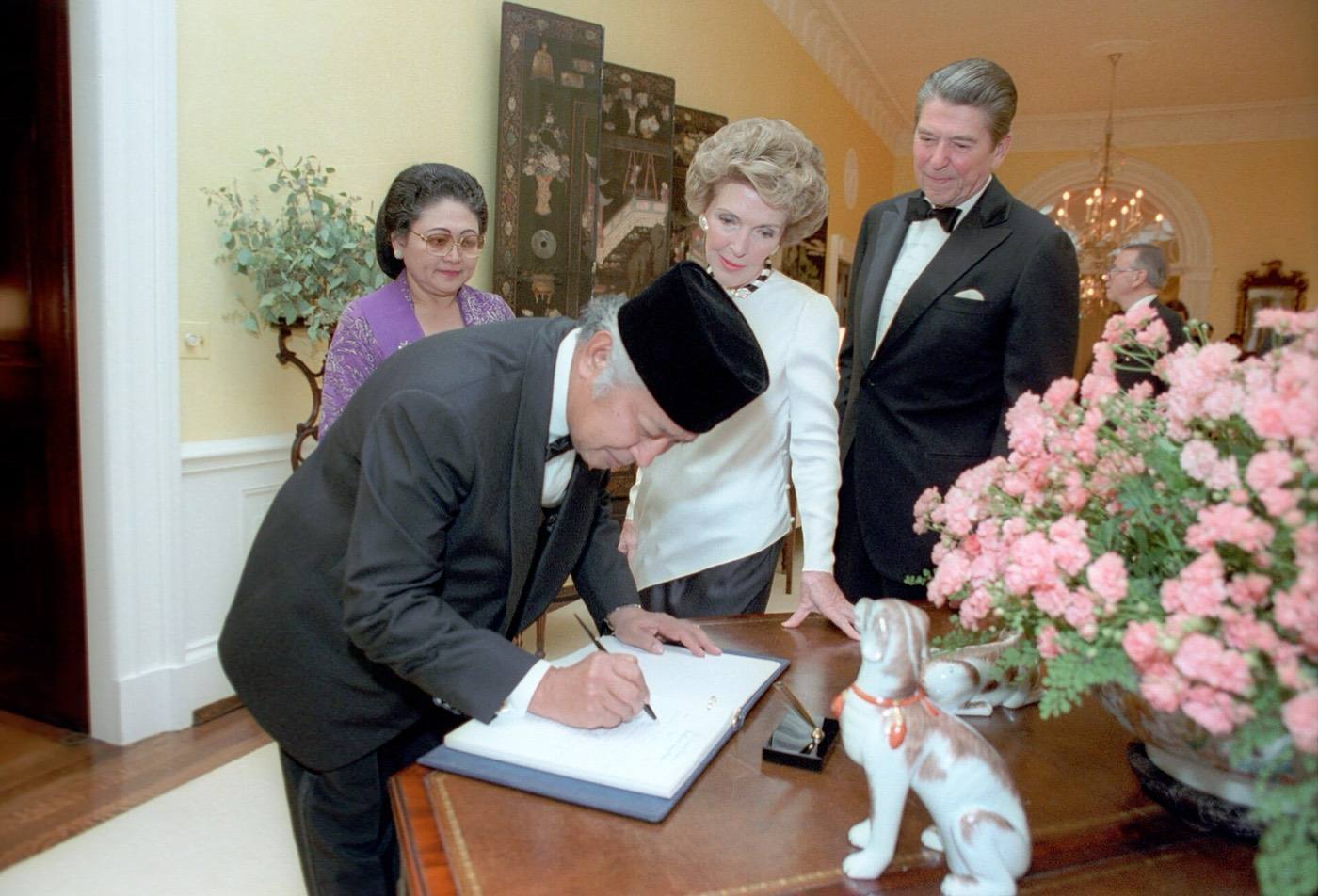
"In the rush to report, we must not forget to question the motives behind the headlines."
Rhetoric on the Left
The left has been vocal in its criticism of the current administration, often employing hyperbolic rhetoric that can sometimes overshadow legitimate concerns. While calling for accountability is essential, the tendency to demonize every action of the right creates a divisive environment that stifles constructive dialogue.
Take, for example, the accusations that the current administration is engaged in a "cover-up" related to the Iran-Contra scandal. While there are undoubtedly serious questions to be answered, not every action taken by the government should be viewed through a lens of conspiracy. The left risks alienating moderate voters by adopting an excessively adversarial stance.
Excesses on the Right
Conversely, the right has not been without its own excesses. The fervor to support the administration has led some to dismiss valid criticisms as mere partisan attacks. This loyalty can be dangerous, as it can blind supporters to genuine issues of governance and ethics. The ongoing saga surrounding the cabinet members' departures should serve as a wake-up call for those on the right to reassess their blind faith in leadership.
Furthermore, the rhetoric of "patriotism" often employed by right-wing commentators can create an atmosphere where dissent is not just discouraged, but vilified. This kind of environment stifles the very democratic principles that the right claims to uphold. Patriotism should not equate to unquestioning loyalty.
The Public's Role
Ultimately, the public must play a crucial role in holding leaders accountable. The media can no longer afford to sensationalize every resignation without delving into the reasons behind them. The American people deserve a thorough examination of the facts and motivations, rather than a rehash of talking points.
Looking Ahead
As we move forward, it is essential for both sides of the political spectrum to temper their excesses. The left should focus on constructive criticism rather than outright demonization, while the right must be open to legitimate concerns without resorting to accusations of disloyalty. Only through a balanced approach can we hope to foster a political environment conducive to meaningful change.
In the end, cabinet resignations are more than just headlines; they are indicators of deeper issues within our government. It is our responsibility as citizens to demand clarity and accountability, ensuring that our leaders are held to the highest standards - regardless of their party affiliation.
✦ ✦ ✦