From the file. Written for the paper dated June 1987. Opened in the public stacks July 14, 2026.
As the promises of satellite technology continue to shine brightly in public discourse, the recent failures of several high-profile satellite missions raise questions about the gap between grand proclamations and the stark reality of technological challenges.

Reality Check: The Discrepancy in Claims
The excitement surrounding satellite technology often drowns out the sobering truth of the setbacks that can accompany such ambitious projects. In recent months, we have witnessed a series of notable satellite failures, prompting a closer examination of the public claims made by government agencies and private companies alike.
For instance, the National Aeronautics and Space Administration (NASA) has frequently touted its satellite programs as benchmarks of success, particularly in their contributions to weather forecasting and telecommunications. Yet, the reality is that these missions are fraught with technical difficulties, and several have ended in failure or underperformance. The public is led to believe that every launch is a step toward a brighter, more connected future, but many of these projects have encountered significant hurdles that often go unreported.
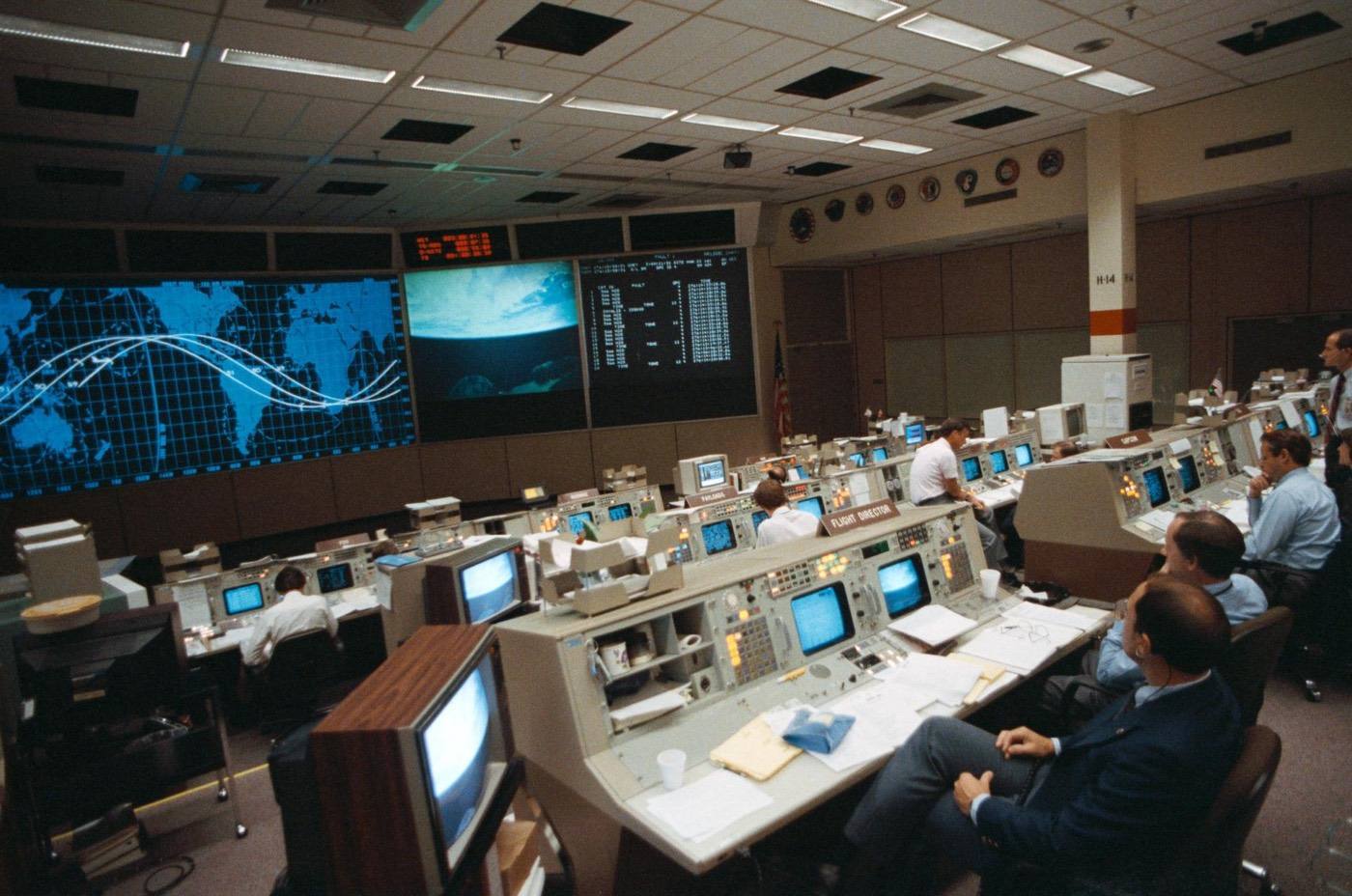
When Optimism Meets Reality
Private companies, too, have not been immune to the temptation of overstating their achievements. The recent launch of a communications satellite, heralded as a revolutionary leap in consumer technology, quickly turned into a lesson in humility when the satellite failed to reach its intended orbit. Executives were quick to assure shareholders and the public that such failures were merely part of the learning curve, yet the implications for investors and consumers were far more serious.
"The gap between public optimism and actual performance can undermine trust in the entire industry." - Anonymous analyst
This disconnect between expectations and outcomes often breeds skepticism among the public. As satellite technology becomes increasingly integrated into daily life, from television broadcasts to global positioning systems, the stakes grow higher. When failures occur, they can lead not only to financial losses but also to broader questions about safety, reliability, and the effectiveness of government oversight.
Political Pressures and Public Expectations
The delicate balance between public claims and the record is further complicated by political pressures. In an era where national pride and technological leadership are at stake, both government agencies and private enterprises feel the weight of expectations. Politicians often leverage the success of satellite missions as proof of progress, leading to a cycle of inflationary promises that may not be grounded in the reality of engineering challenges.
Moreover, in a climate where competition is fierce, both domestically and internationally, there is a tendency to overlook the warning signs of impending failure. The drive for immediate results often results in rushed decisions, cutting corners, and ultimately, compromised missions. As the public clamors for advancements at breakneck speed, it is the responsibility of industry leaders to temper their enthusiasm with a dose of realism.
Lessons Learned from Failure
Despite the setbacks, it is essential to recognize that failure can sometimes pave the way for improvement. Each unsuccessful mission provides invaluable data that can inform future endeavors. It is crucial for companies and government agencies to embrace transparency regarding their failures, as this can foster a culture of accountability and continuous improvement.
However, the challenge lies in managing public perception. As we continue to witness the evolution of satellite technology, it is incumbent upon all stakeholders to set realistic expectations. The allure of technological advancement should not overshadow the complex realities of engineering and design.
Looking Ahead: A Call for Balanced Discourse
In this rapidly advancing field, it is crucial for media outlets, industry leaders, and the public to engage in a more balanced discourse. Instead of simply celebrating successful launches, there should be an acknowledgment of the challenges that lie ahead. By addressing the complexities of satellite technology with candor, we can foster a deeper understanding of its capabilities and limitations.
The future of satellite technology is bright, but it must be approached with a clear-eyed perspective. As we navigate the promise and pitfalls of this critical industry, let us strive for a dialogue that reflects both the aspirations and the challenges we face.
✦ ✦ ✦