From the file. Written for the paper dated June 1987. Opened in the public stacks July 14, 2026.
As debates over transportation infrastructure heat up, the rail freight industry stands at a crossroads where public claims often clash with the reality of operational performance and safety.
Promises of Efficiency
In recent months, rail freight advocates have been vocal about the industry's efficiency and cost-effectiveness. They argue that increased investment in rail infrastructure will not only reduce congestion on highways but also lower transportation costs for consumers. Proponents cite the environmental benefits of rail over truck transport, emphasizing how trains can move large quantities of goods with a smaller carbon footprint.
However, while these claims are compelling, the record tells a different story. Many rail companies have struggled with outdated infrastructure, leading to delays and safety concerns that contradict the narrative of seamless efficiency. As railroads attempt to modernize, the tension between public perception and operational reality becomes increasingly pronounced.
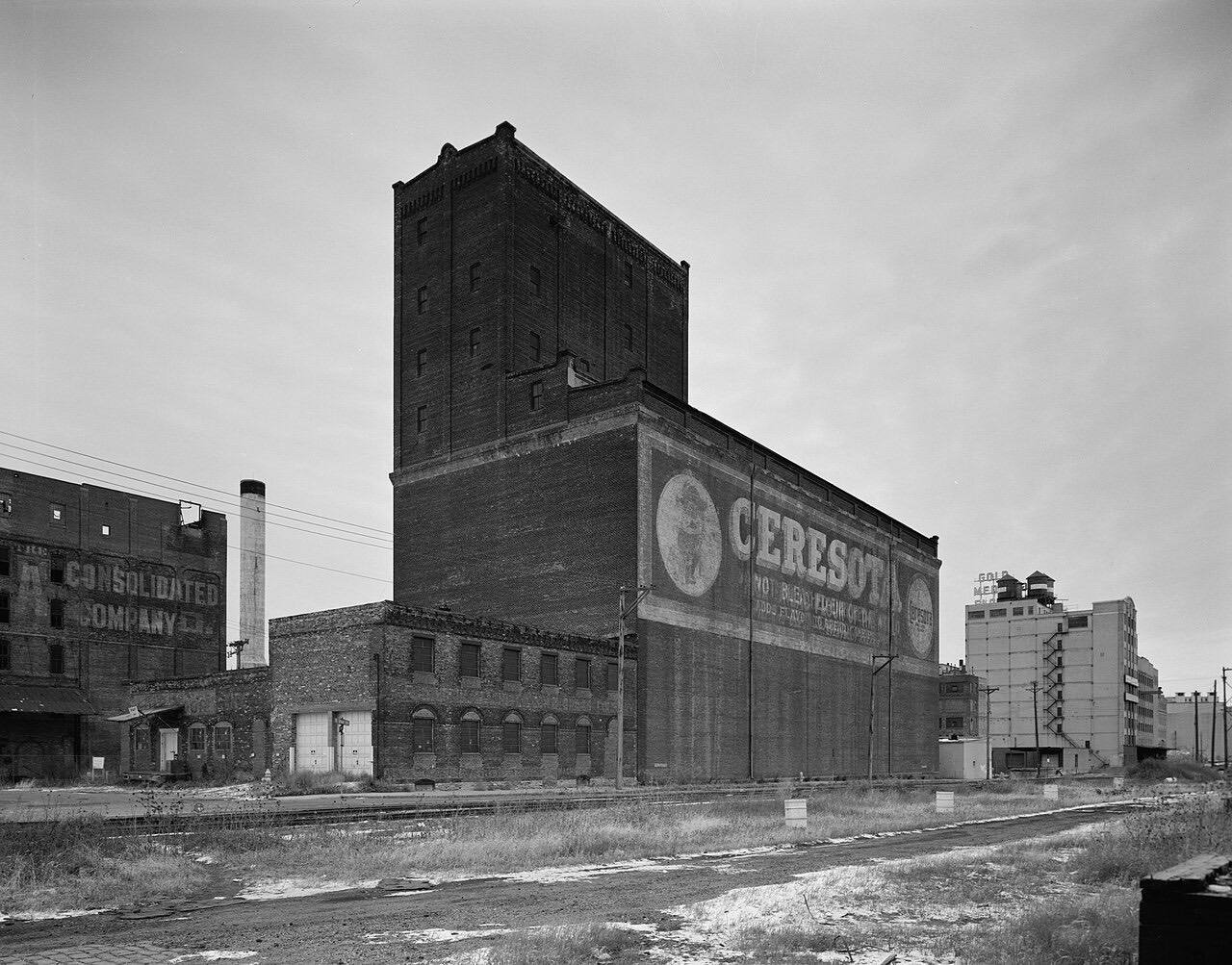
"Many rail companies have struggled with outdated infrastructure, leading to delays and safety concerns."
The Cost of Neglect
For years, rail freight has been the backbone of American commerce, yet the neglect of maintenance and upgrades has left many lines in disrepair. While rail companies often tout their investment in technology and safety, the gaps in actual infrastructure maintenance remain alarming. Recent reports have revealed that certain rail lines have not received necessary upgrades for decades, leading to an increase in derailments and service interruptions.
Critics from both sides of the political spectrum highlight the need for accountability. On the right, some argue that government regulation has stifled innovation in the rail sector, while on the left, advocates demand more stringent safety measures and transparency regarding company practices and investments. The result is a confusing landscape where the industry’s promises are often met with skepticism.
Regulatory Challenges
The federal government has been involved in the rail freight industry through various regulatory bodies, with the intention of ensuring safety and efficiency. However, the ongoing struggle between deregulation advocates and those calling for more oversight complicates the narrative. Deregulation in the 1980s has, in some respects, led to increased competition and lower prices, but it has also resulted in a lack of uniform safety standards across the industry.
As the public becomes more aware of safety concerns, it is imperative that both rail companies and regulators step up to the plate. A balance must be struck to ensure that safety does not take a backseat to profitability. As we push forward into an era that demands both economic growth and environmental responsibility, the rail freight industry must adapt and evolve.
Public Perception and Media Influence
Media representation of rail freight often swings between utopian visions of a modernized rail system and stark warnings about its failings. This dichotomy can mislead the public, who may not have the full picture of the complexities involved in the industry. As sensational stories of derailments make headlines, it is easy to forget the essential role rail plays in the supply chain.
Yet, sensationalism is not the only issue. The left and right often use rail freight as a battleground for broader ideological debates. Some on the left may portray the industry as an obstacle to environmental progress, while those on the right may frame it as a victim of overregulation. Both perspectives can ignore the nuanced reality that the industry faces.
"The left and right often use rail freight as a battleground for broader ideological debates."
Finding Common Ground
To bridge the gap between public claims and the actual record, it is essential for both rail companies and regulators to engage in open dialogue with the public. Transparency about operational challenges and strategic plans for improvement can help build trust and understanding. As both sides of the political spectrum grapple with their respective agendas, it is crucial to remember that the ultimate goal should be a safe, efficient, and sustainable rail freight system.
The path forward will not be easy; entrenched interests and diverse opinions will make consensus difficult. However, if both sides can acknowledge their respective excesses and work towards a collaborative approach, the rail freight industry may be able to achieve the efficiency it promises. Only through cooperation and a commitment to transparency can we hope to reconcile the claims made about rail freight with the realities on the ground.
✦ ✦ ✦