From the file. Written for the paper dated May 1987. Opened in the public stacks July 14, 2026.
As the news cycle spins forward, the rumblings of volcanoes often fade from the headlines, leaving behind a complex web of institutional responses that dictate how prepared we are for the next eruption.
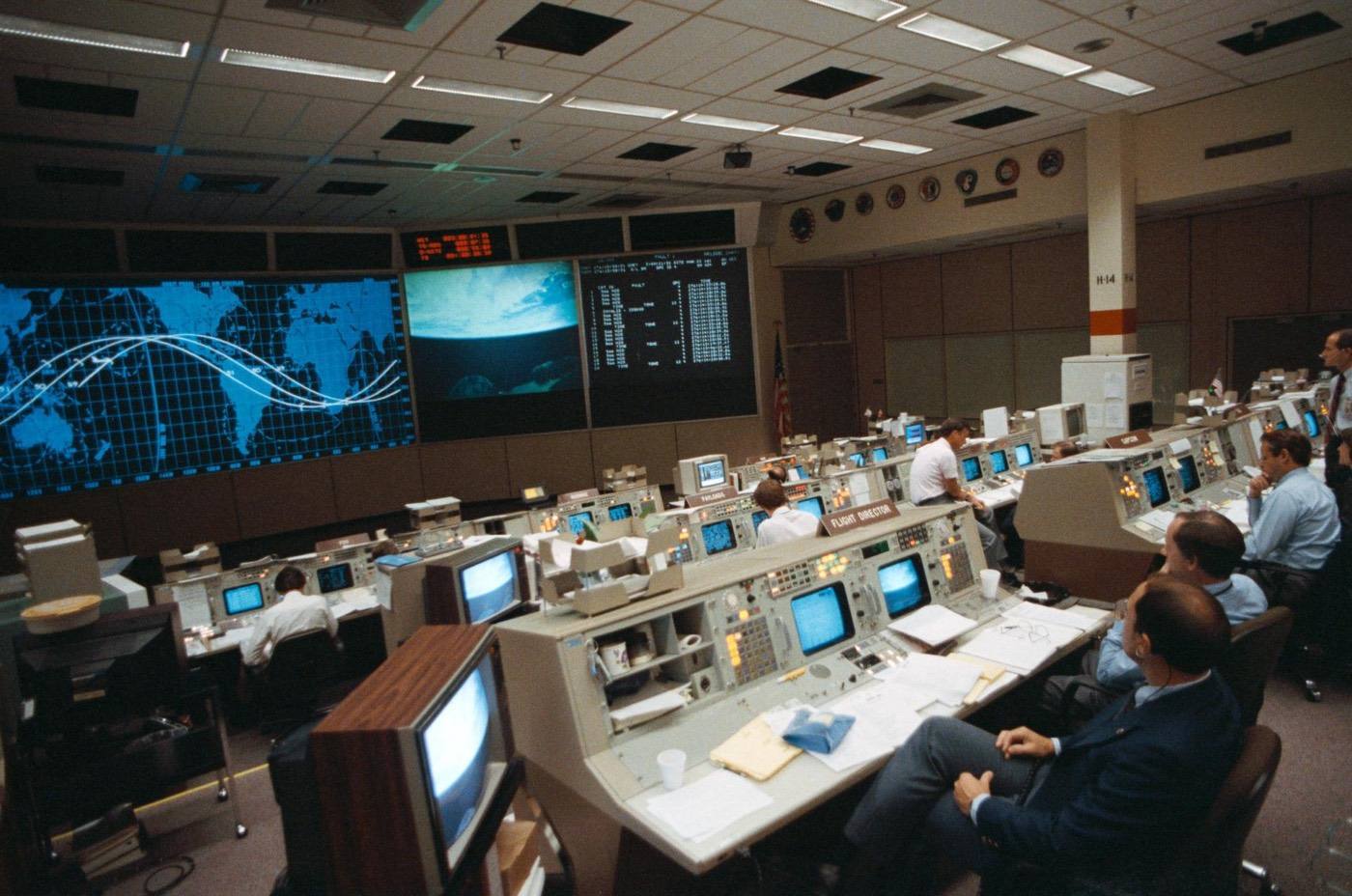
Understanding the Volcano Watch System
In recent months, the volcanic activity in regions such as the Pacific Ring of Fire has sparked renewed interest among geologists and emergency management officials. The U.S. Geological Survey, along with various academic institutions, has been closely monitoring these geological giants, but the question remains: how effective are they at communicating risks and managing public perception?
Institutions have created a framework known as the Volcano Watch system, which aims to provide timely alerts and information to the public about potential volcanic hazards. However, the challenge lies not just in monitoring these massive natural phenomena, but in ensuring that the information is disseminated effectively and responsibly.

The Role of Media in Volcano Awareness
While scientific institutions strive to provide accurate information, the media often sensationalizes volcanic events to capture audience attention. Headlines blaring about the "imminent eruption" of a volcano can lead to public panic, even when scientists assert that the likelihood of an eruption is low. This sensationalism can undermine the credibility of scientists and lead to a desensitized public who may ignore genuine warnings in the future.
"The challenge lies not just in monitoring these massive natural phenomena, but in ensuring that the information is disseminated effectively and responsibly."
Institutional Responses: A Double-Edged Sword
In response to the challenges posed by both nature and media, institutions have developed elaborate communication strategies. The U.S. Geological Survey, for instance, has established a network of volcano observatories that monitor seismic activity, gas emissions, and ground deformation. These observatories serve as the frontline defense against potential disasters.
However, the very existence of these monitoring systems raises questions about institutional accountability. When a volcano erupts unexpectedly, public scrutiny often falls on the scientists and institutions responsible for monitoring. Critics argue that institutions may prioritize their reputations over the safety of the public, focusing on the need to avoid alarmism rather than providing clear, actionable information.
Balancing Act: Public Safety vs. Public Perception
As institutions navigate the delicate balance between public safety and perception, they face a paradox. On one hand, they must prepare for the worst-case scenarios and communicate the potential risks to communities living near active volcanoes. On the other hand, they must avoid creating unnecessary panic that could lead to mass evacuations or economic downturns in tourism-dependent areas.
This balancing act can lead to mixed messages. For example, during a recent period of heightened volcanic activity, local officials downplayed the threat to avoid panic, while scientists urged caution and preparation. Such discrepancies can confuse the public and erode trust in both scientific and governmental institutions.
The Political Landscape of Volcano Monitoring
The political implications of volcano monitoring cannot be overlooked. Funding for research and monitoring efforts often hinges on political agendas and budgetary constraints. In recent years, there have been calls from both sides of the political spectrum for increased funding for disaster preparedness. However, these calls often come with caveats that reflect broader ideological battles, with some advocating for government intervention and funding, while others argue for private sector solutions.
"When a volcano erupts unexpectedly, public scrutiny often falls on the scientists and institutions responsible for monitoring."
Looking Forward: The Future of Volcano Preparedness
As we continue to witness the earth's geological fury, the question remains: how prepared are we for the next major volcanic eruption? Institutions must not only enhance their monitoring capabilities but also improve their communication strategies to ensure that the public remains informed yet calm. This requires a concerted effort to bridge the gap between scientific expertise and public understanding.
Moreover, as technology advances, there is an opportunity for better data sharing and collaboration among institutions, scientists, and governments. By fostering a culture of transparency and accountability, we can enhance public trust and preparedness in the face of potential volcanic threats.
The Responsibility of Engagement
Engaging the public in meaningful dialogue about volcanic risks is essential. Educational initiatives that focus on community preparedness and understanding of volcanic activity can empower local residents to take informed actions without succumbing to fear. This proactive approach can help build resilient communities that are better equipped to handle natural disasters when they arise.
In conclusion, as we watch the volcanoes, we must also watch our institutions and the information they provide. The health of our communities depends on clear communication, responsible reporting, and a commitment to public safety above all else.
✦ ✦ ✦