From the file. Written for the paper dated May 1987. Opened in the public stacks July 14, 2026.
As public clinics grapple with the fallout from recent media exposés, the question arises: how effectively are these institutions protecting themselves while still serving the community?
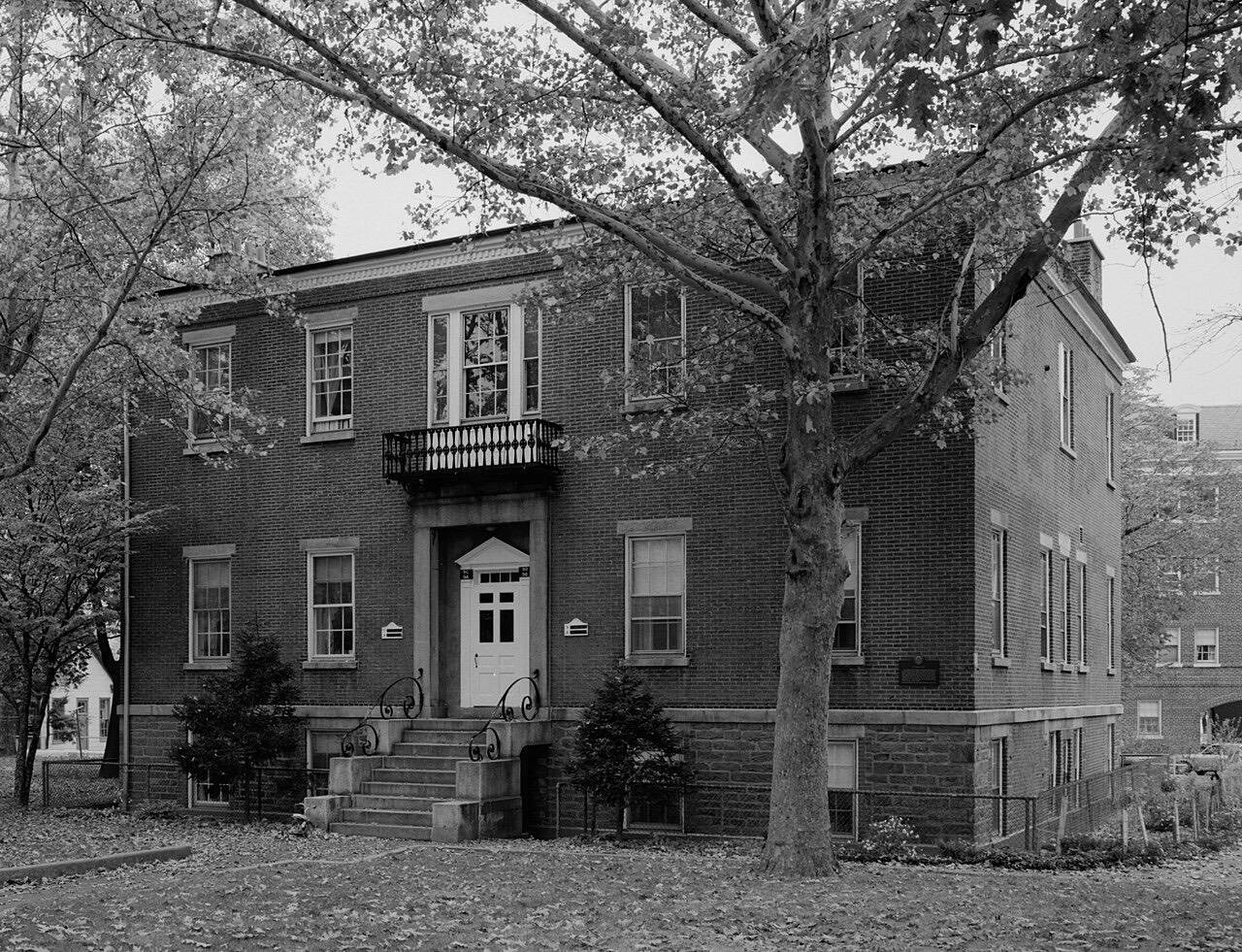
The Reality of Public Clinics
In recent months, public clinics have found themselves under a microscope, facing criticism from various corners of the political spectrum. On one side, there are those who argue that these clinics are underfunded and overburdened, struggling to provide adequate care to underserved populations. On the other side, critics assert that mismanagement and inefficiencies plague the system, leading to wasted resources and a lack of accountability. The truth, as is often the case, lies somewhere in between.
Defensive Strategies
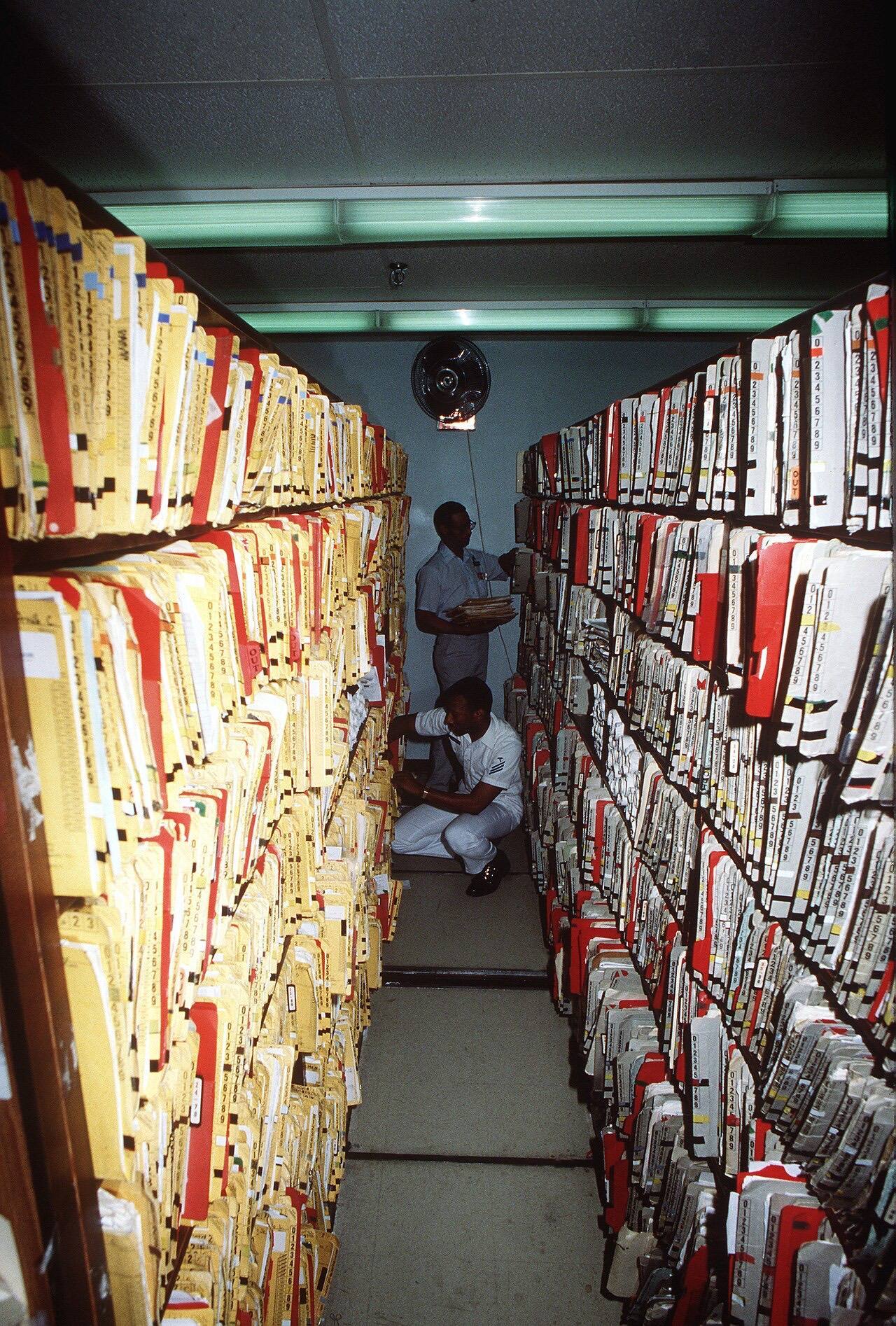
As reports highlighting systemic flaws echo through the halls of local government, many public clinics are adopting defensive strategies to shield themselves from further scrutiny. One common tactic involves bolstering administrative oversight, which can lead to a bureaucratic maze that hampers quick decision-making. While the intention may be to ensure accountability, this approach often results in clinics being less responsive to the immediate needs of the communities they serve.
Legislative Shielding
Moreover, public clinics are turning to legislative measures to protect their operations. Some clinics are lobbying for laws that would provide them with immunity from certain lawsuits, arguing that the threat of litigation can deter them from taking necessary risks to innovate and improve services. However, this can also create an environment where accountability takes a backseat, leaving patients with little recourse if they encounter issues.
Community Engagement vs. Bureaucratic Isolation
As clinics focus inward on self-preservation, the spirit of community engagement can often be neglected. While some clinics have implemented advisory boards consisting of local residents and stakeholders, the effectiveness of these boards varies widely. If not properly empowered, they risk becoming mere rubber stamps for existing policies rather than catalysts for meaningful change. The challenge lies in striking a balance between protecting institutional interests and remaining responsive to the communities they serve.
The Political Climate
The current political climate further complicates matters. With the right criticizing public clinics for what they perceive as inefficiencies and the left pushing for expanded access and services, clinics find themselves caught in a crossfire. This dynamic fosters an atmosphere of fear and defensiveness, prompting some administrators to prioritize self-protection over genuine reform. As a result, the very institutions meant to aid the public are often preoccupied with their own survival.
“In the chaos of political rhetoric, the real voices of patients often go unheard.”
Voices from the Ground
Patients, who should be the focal point of public health efforts, often feel sidelined in this ongoing struggle. Many individuals rely on public clinics for essential services, yet their concerns frequently go unaddressed amid the back-and-forth between political factions. The voices of those who depend on these institutions are crucial, and yet they often find themselves drowned out by the cacophony of partisan politics.
Reforming with Integrity
To truly serve the communities they are intended to help, public clinics must embrace reform with integrity. This begins by genuinely engaging with patients and community members to understand their needs and concerns. It requires a willingness to be transparent about challenges and successes alike. Only then can clinics foster a culture of trust and collaboration that empowers patients rather than alienating them.
A Call to Action
It is imperative for public clinics to recognize that they are not only healthcare providers but also stewards of public trust. As the headlines fade and the political winds shift, the lasting impact of their actions will be measured by their ability to adapt, innovate, and most importantly, listen. If they can navigate the complexities of self-preservation while remaining committed to their mission, public clinics may yet emerge stronger than ever.
✦ ✦ ✦