From the file. Written for the paper dated April 1987. Opened in the public stacks July 14, 2026.
As the nation grapples with various health crises, the responses from both sides of the political spectrum reveal a disconcerting trend of incentives that often prioritize ideology over effective epidemic management.
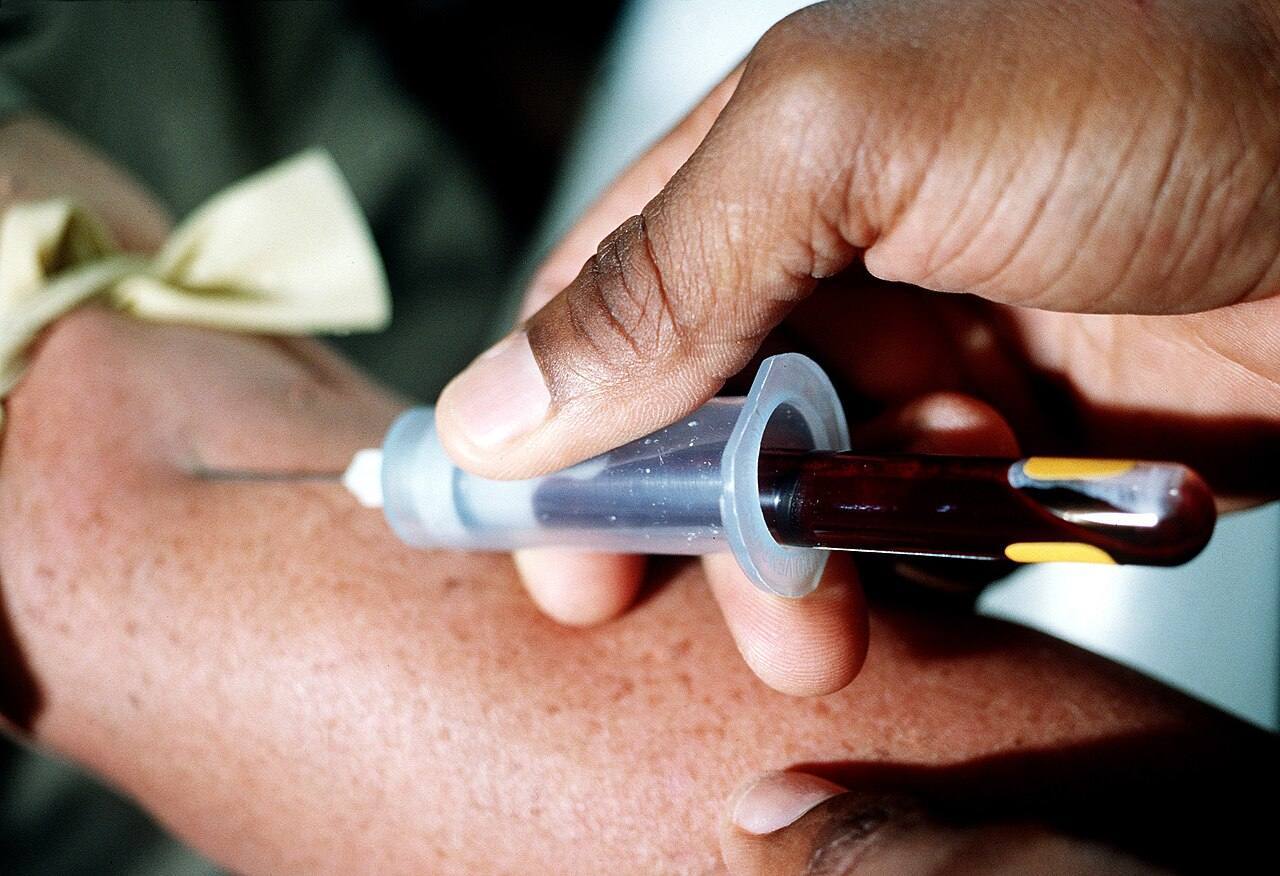
Health Politics: A Divided Response
In recent months, public health has been thrust into the spotlight, primarily due to the ongoing challenges posed by the AIDS epidemic and other emerging health threats. The reaction from lawmakers has been telling, as both the left and the right exhibit tendencies that are more reflective of their agendas than of a genuine commitment to public health. Rather than working collaboratively to address the urgent needs of the population, we see a tug-of-war that is hampering effective responses.
On one hand, the left has been vocal about the need for increased funding and support for health initiatives, particularly in relation to AIDS research and treatment. While their concerns are valid, one cannot ignore the tendency to frame the debate in a manner that often alienates moderate voices. Terms like "homophobia" and "stigma" are thrown around, which, while grounded in truth, can lead to further polarization and inhibit constructive dialogue. The push for social justice and equal rights is crucial, yet it sometimes overshadows the need for a pragmatic approach to epidemic response. Health crises require a united front, rather than a platform for ideological battles.

Conversely, the right often leans into a narrative that emphasizes personal responsibility and individual choice. This can lead to a troubling dismissal of the systemic issues that contribute to health crises. The focus on personal accountability can sometimes devolve into a blame game, suggesting that those affected by epidemics are simply not doing enough to protect themselves. This perspective not only lacks compassion but also ignores the broader societal factors at play, such as access to healthcare, education, and economic stability. A one-size-fits-all view fails to recognize the complexities of public health.
“The tug-of-war in health politics is hampering effective responses to crises.”
Amid these extremes, it is crucial to examine the incentives that drive such polarized responses. For the left, the push for increased funding often serves as a rallying cry that can energize their base and draw attention to critical issues. However, this can also lead to a counterproductive environment where the necessity for funding becomes a political weapon rather than a means to save lives. The urgency of the epidemic can be overshadowed by the urgency to secure political power and influence.
On the other side, the right's emphasis on individual responsibility can serve to galvanize their constituents who value personal freedom and limited government intervention. However, this approach can also foster an environment where public health is seen through a lens of market forces, sidelining compassion and collective responsibility. In doing so, they risk neglecting the very populations that need support, thereby exacerbating the problems at hand.
The Need for Collaborative Solutions
What is needed now more than ever is a collaborative approach that transcends party lines. Lawmakers must prioritize public health over political gain, recognizing that the challenges posed by epidemics require a multifaceted strategy. This means investing in research, treatment, and education, while also promoting policies that address the social determinants of health.
Moreover, public health campaigns should emphasize unity and collective responsibility rather than division. It is essential to create an environment where individuals feel empowered to seek help and where health interventions are made accessible to all, regardless of their background. The narrative should shift from blame and stigma to one of shared responsibility and community support.
The importance of bipartisan support for public health initiatives cannot be overstated. It is time for both sides to set aside their differences and recognize that the health of the nation is at stake. By fostering an environment of cooperation, lawmakers can develop policies that not only address current health crises but also lay the groundwork for a healthier future.
As we move forward, we must demand accountability from our leaders, urging them to prioritize the health of the population over political maneuvering. The stakes are high, and the time for action is now. It is vital that we advocate for policies that reflect a commitment to collective well-being, ensuring that our responses to health crises are rooted in compassion, science, and shared responsibility.
✦ ✦ ✦