From the file. Written for the paper dated February 1987. Opened in the public stacks July 14, 2026.
As the debate over war powers continues to unfold in Washington, the public finds itself inundated with conflicting narratives from both sides of the political aisle. The figures being bandied about often lack context, leaving many Americans perplexed about the true implications of these power struggles.

The Power Struggle
The discourse surrounding the War Powers Resolution of 1973 has become increasingly fraught as the United States engages in military actions abroad. Advocates for a stronger executive branch argue that the President must retain the authority to act swiftly in the face of threats, while opponents assert that Congress must reclaim its constitutional role to declare war. The stakes could not be higher, as recent military actions in places like Grenada and Lebanon have reignited fears of executive overreach.
Recent surveys indicate a split among the American public regarding the balance of power. Approximately 48 percent of Americans believe the President should have greater latitude to engage in military action without immediate Congressional approval, while 43 percent feel that Congress should have the final say. These numbers paint a picture of a nation divided, yet they also highlight the pervasive confusion surrounding the issue.
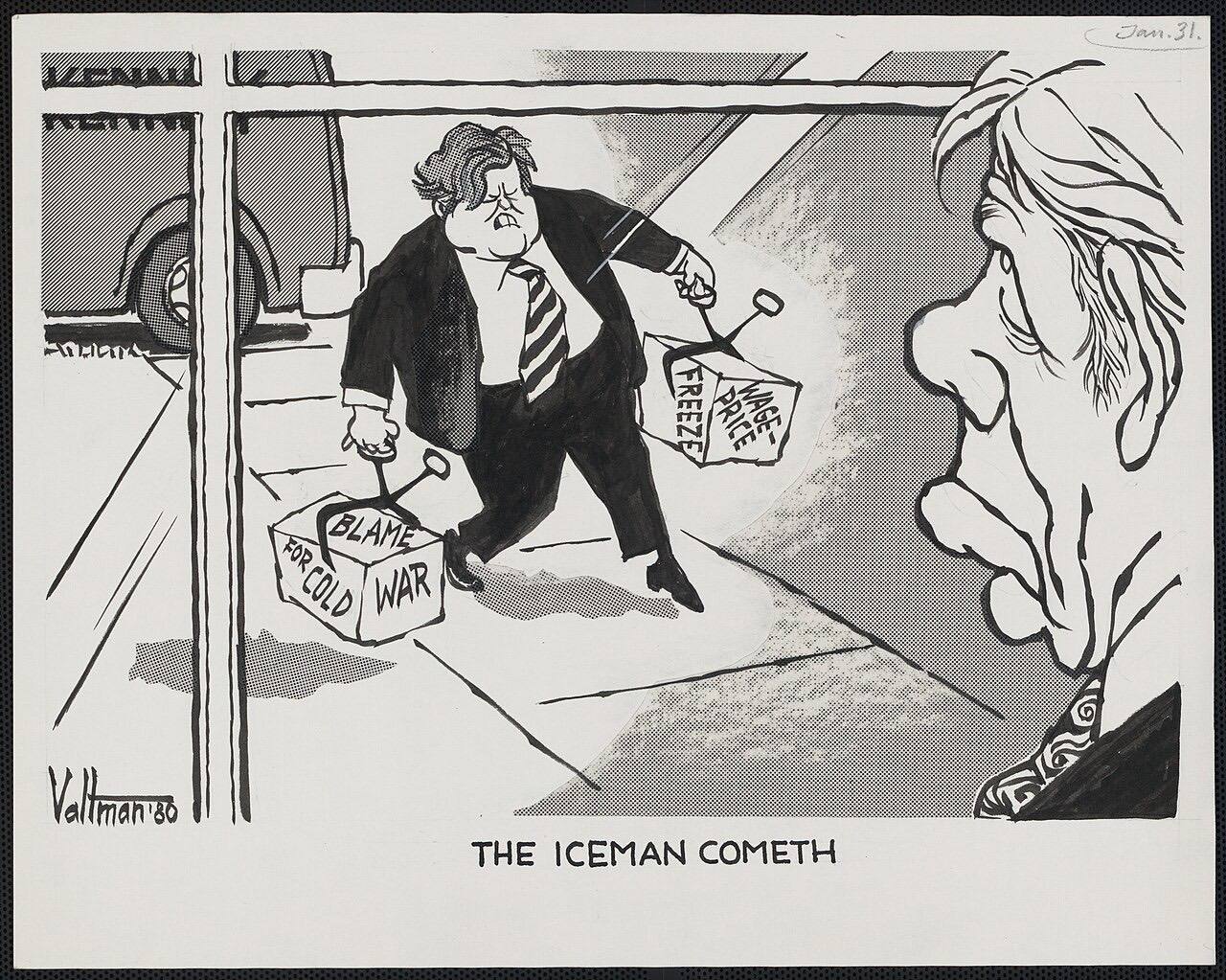
The Numbers Behind the Debate
While statistics can often serve as a tool for clarity, they can just as easily obfuscate the truth. For example, proponents of increased presidential power frequently cite the frequency of military interventions since World War II as evidence of the necessity for swift action. However, what they often neglect to mention is that many of these interventions were conducted without a formal declaration of war, undermining the argument for a strong executive in the first place.
"The numbers tell a story, but not the one that many want to hear."
On the flip side, those who argue for Congressional oversight often lean heavily on the historical failures of unchecked executive power. They cite the Vietnam War as a stark reminder of the consequences when military actions are pursued without proper oversight. Yet, in doing so, they can sometimes overlook the fact that Congress historically has not been proactive in asserting its war powers until the situation has become dire.
Examining the Extremes
As with many debates in contemporary politics, both extremes are failing to engage with the reality on the ground. The left's insistence on stringent oversight may lead to paralyzing indecision in moments of crisis, while the right's call for unbridled executive power risks setting a dangerous precedent for future administrations. Both sides must grapple with the complexities of a world where threats are not always conventional, and the lines between peace and war can become blurred.
Moreover, the language used in this debate often serves to inflame rather than inform. Terms like "war" and "peace" are wielded as weapons in the rhetorical arsenal, obscuring the nuanced realities of military engagement. The focus on numbers and perceived threats can overshadow the human cost of military action, reducing complex geopolitical situations to mere data points in a political argument.
Finding Common Ground
A more productive approach would be for both sides to seek common ground in the debate. Understanding that military engagement often requires rapid decision-making, while also recognizing Congress's critical role in representing the public's will, could pave the way for a more balanced approach to war powers. This might involve establishing clearer guidelines for military action that both the executive and legislative branches can agree upon, ensuring that the constitutionally mandated checks and balances are upheld.
Ultimately, the question of war powers is not merely an academic exercise but a matter that affects the lives of millions both at home and abroad. The American public deserves a transparent and informed debate, free from the hyperbole that so often characterizes political discourse. By focusing on the numbers and their implications rather than the politics they serve, we can begin to forge a path toward a more constructive and responsible approach to military engagement.
✦ ✦ ✦