From the file. Written for the paper dated February 1987. Opened in the public stacks July 14, 2026.
In the wake of recent catastrophic events, the debate surrounding disaster declarations has intensified, drawing sharp lines between those who advocate for expansive government intervention and those who argue for efficiency and fiscal restraint.
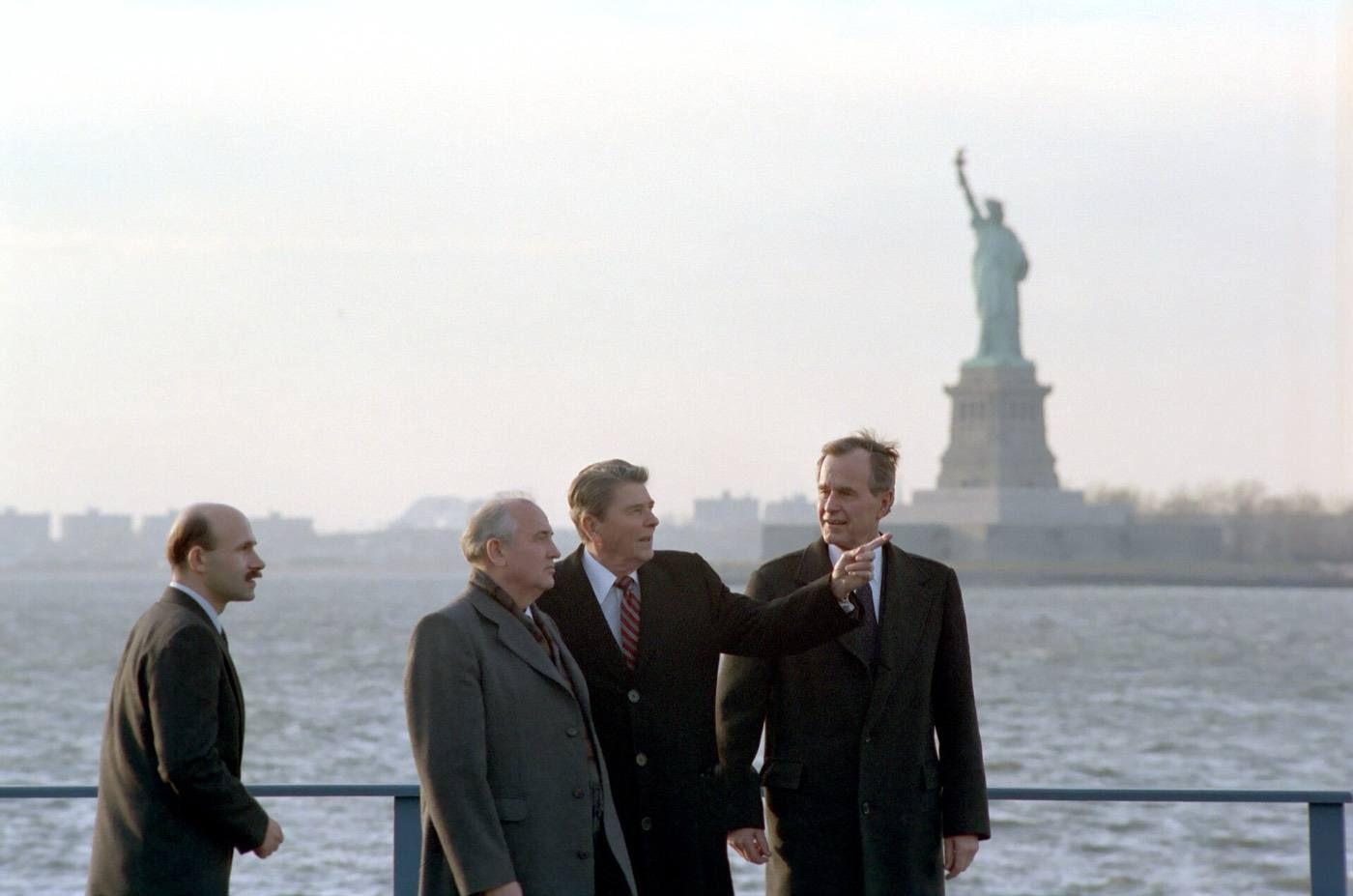
Understanding Disaster Declarations
The growing frequency of natural disasters has led to a surge in disaster declarations across the country. From hurricanes to floods, the federal government has been called to action more frequently than ever before. However, the implications of these declarations are complex and often misunderstood.
For many, a disaster declaration represents hope and immediate relief. It signifies that the federal government recognizes the severity of a situation and is prepared to allocate resources to aid affected communities. Yet, a closer examination of the numbers reveals a more nuanced reality. Are we truly prepared to handle the financial implications of these declarations? Or are we merely creating a cycle of dependency?

The Left's Call for Expanded Aid
Progressives have been vocal in their call for more robust disaster response measures. They argue that the federal government has a moral obligation to provide assistance to victims of natural disasters. The emotional appeal is undeniable, and it resonates deeply with many citizens who have witnessed the devastating effects of disasters on their communities.
"In times of crisis, we cannot afford to be parsimonious with our aid." - A common refrain among proponents of expansive federal disaster relief.
However, this rhetoric often glosses over the reality of fiscal responsibility. While it is commendable to want to help those in need, the left's approach often leads to a lack of accountability and oversight. With each disaster declaration, the government allocates more funds, but without stringent measures in place, there is a risk of mismanagement and waste. It is crucial to strike a balance between compassion and pragmatism.
The Right's Call for Fiscal Restraint
On the other side of the aisle, conservatives advocate for a more restrained approach to disaster declarations. They argue that government intervention should be minimal, relying instead on local communities and private organizations to respond to disasters. This perspective champions self-reliance and individual responsibility, but it also raises critical questions about the adequacy of local responses.
"We cannot allow the federal government to step in at every turn; local solutions are often more effective." - A common belief among fiscal conservatives.
While there is merit to the notion that local communities should play a central role in disaster response, the reality is that many local governments lack the resources and infrastructure to handle large-scale disasters effectively. A rigid adherence to fiscal restraint could leave vulnerable populations without the necessary support in their most desperate times.
The Numbers Behind Disaster Declarations
As we examine the statistics surrounding disaster declarations, the reality becomes stark. In the past year alone, the federal government has declared over 40 major disasters, with relief funding exceeding billions of dollars. However, the allocation of these funds is often uneven, leading to disparities in recovery efforts across states and communities.
This disjointed approach raises concerns about equity and fairness. Are we truly serving the needs of all Americans equally? Or are some communities being left behind due to political considerations? The decisions made at the federal level have real consequences for those grappling with the aftermath of disasters.
Finding Common Ground
In a time of heightened political polarization, the issue of disaster declarations provides an opportunity for collaboration. Both sides of the political spectrum must recognize the importance of responsible resource allocation while maintaining a commitment to aiding those in need. This means establishing clear guidelines for disaster declarations, ensuring that funds are used efficiently, and holding agencies accountable for their spending.
Furthermore, as we move forward, it is essential to invest in disaster preparedness and mitigation efforts. By focusing on prevention, we can reduce the need for costly disaster declarations in the first place. This requires a concerted effort from both government and private sectors to implement measures that enhance community resilience, such as improving infrastructure and emergency response systems.
Conclusion
As the debate over disaster declarations continues, it is imperative that we navigate these waters with both compassion and caution. The numbers may show a rising trend in disaster declarations, but they also highlight the need for a more balanced approach that considers the long-term implications of our responses. By fostering dialogue and collaboration between the left and right, we can create a more effective and equitable disaster response system that truly serves the needs of all Americans.
✦ ✦ ✦