From the file. Written for the paper dated February 1987. Opened in the public stacks July 14, 2026.
As the debate surrounding the aging population continues to intensify, it is crucial to dissect what the numbers truly reveal about this demographic shift and its implications for society.

The Changing Demographics of America
According to the latest census data, the proportion of individuals aged 65 and older in the United States is projected to increase significantly in the coming decades. From 1980 to 2020, the elderly population is expected to double, raising questions about the sustainability of social services, healthcare, and economic policies.
The numbers indicate an undeniable trend: the baby boomer generation is beginning to enter retirement age. This demographic change is not merely a statistic; it represents a profound transformation in our society. Some may argue that the aging population poses a dire threat to the economic stability of our nation, leading to excessive alarmism. Others contend that this is an opportunity for growth, wisdom, and a re-evaluation of what it means to age in America.
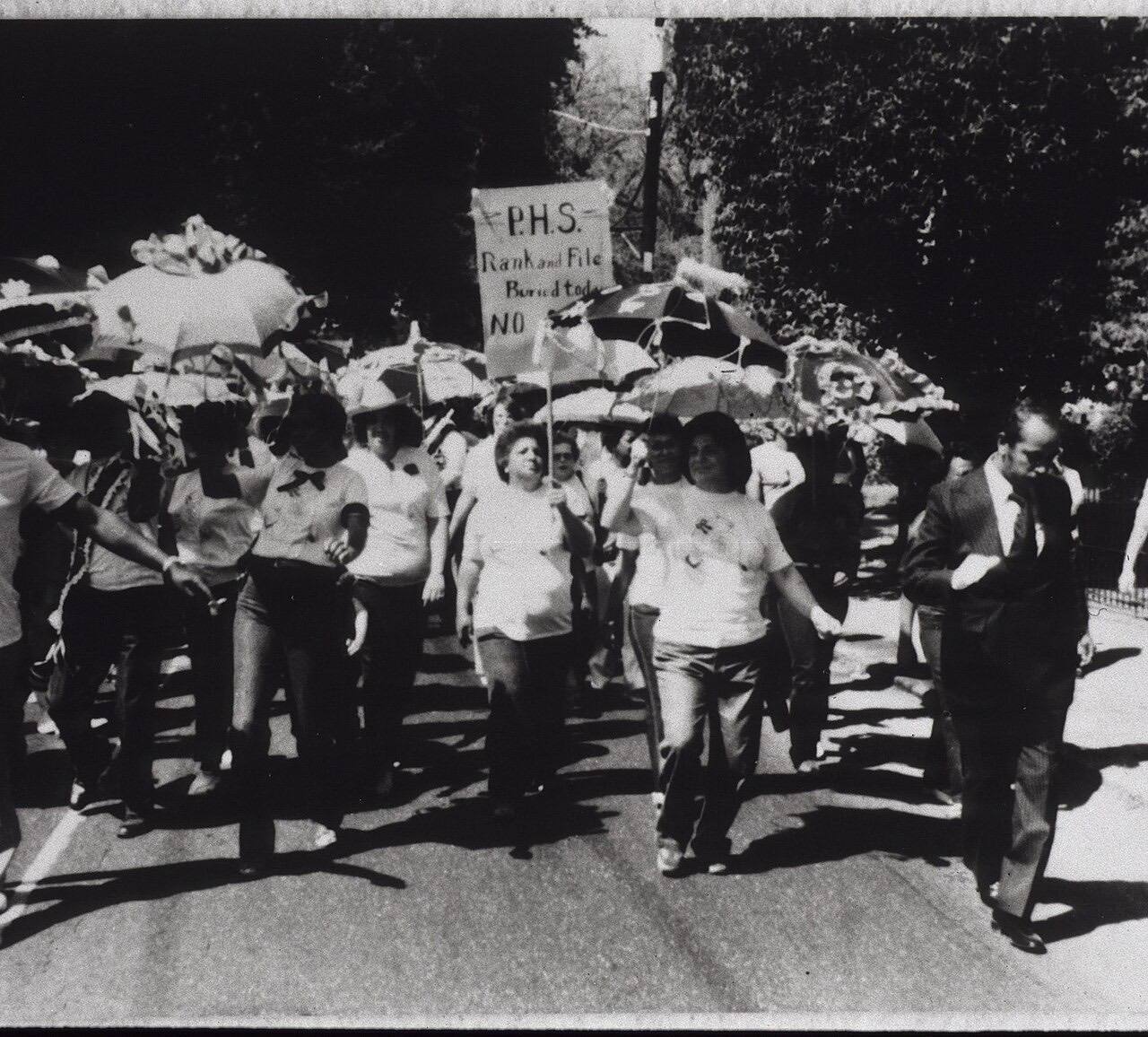
“The aging population is not a burden; it is an opportunity to harness experience and knowledge.”
Healthcare Implications
The healthcare system is at the forefront of this discourse. Critics from the left argue that the current structure is ill-equipped to handle the surge in elderly patients. They advocate for a complete overhaul of the healthcare system to ensure that it meets the needs of an aging population. However, such radical changes raise valid concerns about feasibility and the potential for government overreach.
On the other side, conservative voices caution against excessive government intervention, asserting that the private sector should lead the way in adapting to the needs of seniors. They claim that innovation and competition will naturally provide the solutions required. Yet, this perspective often underestimates the challenges faced by low-income seniors who may not have access to adequate care without some form of government support.
Economic Consequences
The economic ramifications of an aging population are manifold. Advocates for the elderly argue that the contribution of older Americans to the workforce should not be overlooked. Many seniors possess valuable skills and experience that can benefit businesses. In fact, a growing number of companies are recognizing the advantages of hiring older workers.
Conversely, pessimists fear that an influx of retirees will strain Social Security and Medicare, potentially threatening these programs' viability. The right tends to emphasize the need for reform to ensure these systems do not collapse under the weight of increased demand. Yet, their proposed solutions often come across as dismissive of the real needs of the elderly, suggesting cuts or increased privatization without offering equitable alternatives.
Social Perspectives
The societal view of aging is also evolving. There is a growing recognition that the elderly deserve respect and inclusion rather than being seen as mere dependents. This shift challenges both left and right ideologies. Progressives must ensure that their advocacy for the elderly does not inadvertently paint them as burdens, while conservatives must acknowledge the value that older generations bring to society.
Moreover, the cultural representation of aging in media often leans towards the negative, reinforcing stereotypes that marginalize older adults. This creates a cycle where both the left and right extremes contribute to an environment that fails to appreciate the wisdom and experience that seniors offer.
Finding Common Ground
The path forward requires a balanced approach that transcends partisan divides. It is essential for policymakers to collaborate and develop solutions that address the concerns of both sides. This means investing in healthcare infrastructure while also fostering an environment where older Americans can thrive economically and socially.
Moreover, public discourse must shift from viewing the aging population solely as a challenge to recognizing it as an opportunity. By fostering intergenerational collaboration and community engagement, we can create a society that values all ages and encourages mutual support.
Conclusion
In conclusion, the numbers surrounding the aging population tell a complex story that warrants a nuanced discussion. While challenges certainly exist, the potential for growth, innovation, and societal enrichment should not be overlooked. It is time for all parties to come together, set aside their extremes, and work towards a future that honors both our seniors and the generations to come.
✦ ✦ ✦