From the file. Written for the paper dated January 1987. Opened in the public stacks July 14, 2026.
The surgical backlog in hospitals across the nation is a growing concern, as the headlines that once fueled public outcry fade into memory. With a plethora of factors contributing to this stagnation, the demand for certainty in an uncertain medical landscape is selling briskly.
![Gente paseando en las obras de la Avenida del Doctor García Tapia [antes, Camino Viejo de Vicálvaro]. Moratalaz (Madrid, España)](/media/library/1980s-health/madrid-moratalaz-vicalvaro-1983-02-d0e034.jpg)
The Surge of Surgical Delays
In an era of advanced medical technology and highly trained professionals, the existence of a surgical backlog seems almost paradoxical. Yet, hospitals from coast to coast are grappling with an increasing number of postponed elective procedures. Patients who once expected timely interventions now find themselves waiting weeks or even months for necessary surgeries. The reasons for these delays are manifold and complex.
One significant contributor to the backlog is the rising cost of healthcare. As expenses soar, patients are often hesitant to pursue surgeries that come with hefty price tags, leading to a delay in elective procedures. Hospitals, too, are feeling the pinch, as they struggle to balance budgets while providing quality care. In some cases, administrators are forced to make tough choices about which surgeries to prioritize, creating a ripple effect of delays throughout the system.
Additionally, the increasing complexity of surgeries themselves cannot be overlooked. As medical advancements push boundaries, procedures that were once considered routine now require more time and resources. This surge in complexity can lead to longer operating times and increased recovery periods, further compounding the backlog issue.
The Political Landscape
The political arena is not immune to this crisis. The debate surrounding healthcare reform is heating up, with both sides of the aisle offering solutions that often seem more focused on political gain than actual patient care. On the left, some advocates are calling for government-mandated healthcare to ensure that everyone has access to timely surgeries. While the intention is noble, the execution could lead to bureaucratic red tape that further complicates the situation.
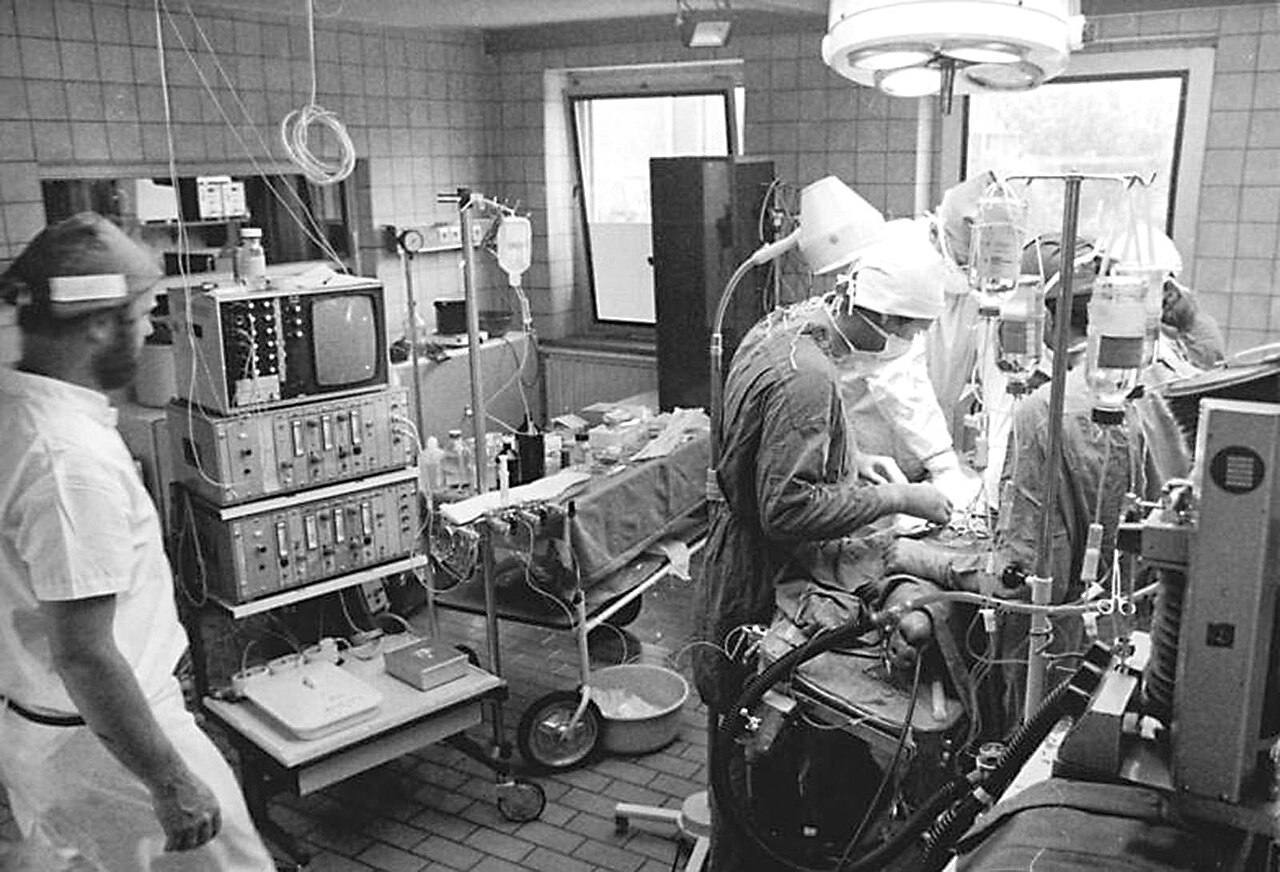
Conversely, the right is pushing for market-driven solutions that promise to increase efficiency and reduce costs. However, this approach risks leaving vulnerable populations behind who may not have the means to navigate the complexities of a privatized healthcare system. The truth is, both approaches have their merits and shortcomings, and the reality is that the surgical backlog will not be solved by either extreme alone.
"In this age of medical advancement, why are so many patients left waiting?"
The Public's Demand for Certainty
In the midst of these challenges, the public's demand for certainty is palpable. Patients want assurances that their health concerns will be addressed promptly and effectively. As news of surgical backlogs continues to circulate, many are turning to private clinics and alternative treatments in search of quicker solutions. This shift is indicative of a broader trend: a desire for control in a healthcare landscape that often feels overwhelming and chaotic.
Moreover, the role of insurance companies cannot be underestimated. Many patients find themselves caught in a web of authorization processes and potential denials, which only adds to the anxiety surrounding surgical timelines. The intricate dance between patient needs and insurance policies often leaves individuals feeling powerless, further fueling the demand for more straightforward solutions.
Looking for Solutions
As the surgical backlog persists, it is crucial for hospitals and policymakers to seek collaborative solutions that prioritize patient care. Innovative approaches, such as outpatient procedures and telemedicine, are gaining traction and may offer pathways to alleviating some of the pressures faced by overloaded surgical departments. However, these solutions require investment and a willingness to challenge existing norms in healthcare delivery.
Additionally, a concerted effort to educate the public about the realities of surgical wait times could help temper expectations and foster a greater understanding of the complexities involved. Open communication between healthcare providers and patients can bridge gaps in knowledge and reduce anxiety surrounding surgery schedules.
A Call for Balanced Approaches
Ultimately, the surgical backlog is a multifaceted issue that demands a balanced approach. Political ideologies on both the left and right must be willing to engage in honest dialogue and collaborate on solutions that prioritize the health of the nation over partisan agendas. It is clear that the status quo is no longer sustainable, and the time for action is now.
As we move forward in 1987, the surgical backlog is not just a statistic; it is a reflection of a healthcare system in need of reform. It is a moment that calls for action from both sides of the political spectrum, urging a collaborative effort to restore faith in an essential service that affects millions of Americans. The future of healthcare may very well depend on our ability to navigate these challenges together, with an eye toward ensuring that every patient receives the timely care they deserve.
✦ ✦ ✦