From the file. Written for the paper dated November 1986. Opened in the public stacks July 14, 2026.
The recent executive order issued by the Reagan administration has raised eyebrows across the political spectrum, as it appears to reflect a troubling pattern of oversight - or lack thereof - in the executive branch.

The Executive Order: A Closer Inspection
In the weeks following the announcement of the latest executive order, public discourse has focused on its implications for policy and governance. However, what remains largely unaddressed is the underlying failure of oversight that such orders often symbolize. While the administration touts its efficiency in responding to national issues, the casual dismissal of checks and balances is a cause for concern.
The order in question pertains to regulatory changes that could have significant implications for environmental protections. Critics argue that the hastiness with which this order was drafted reflects a broader trend of sidelining Congress in favor of unilateral executive action. This is not merely a partisan issue; both sides of the political spectrum have engaged in this alarming trend, often prioritizing expediency over accountability.
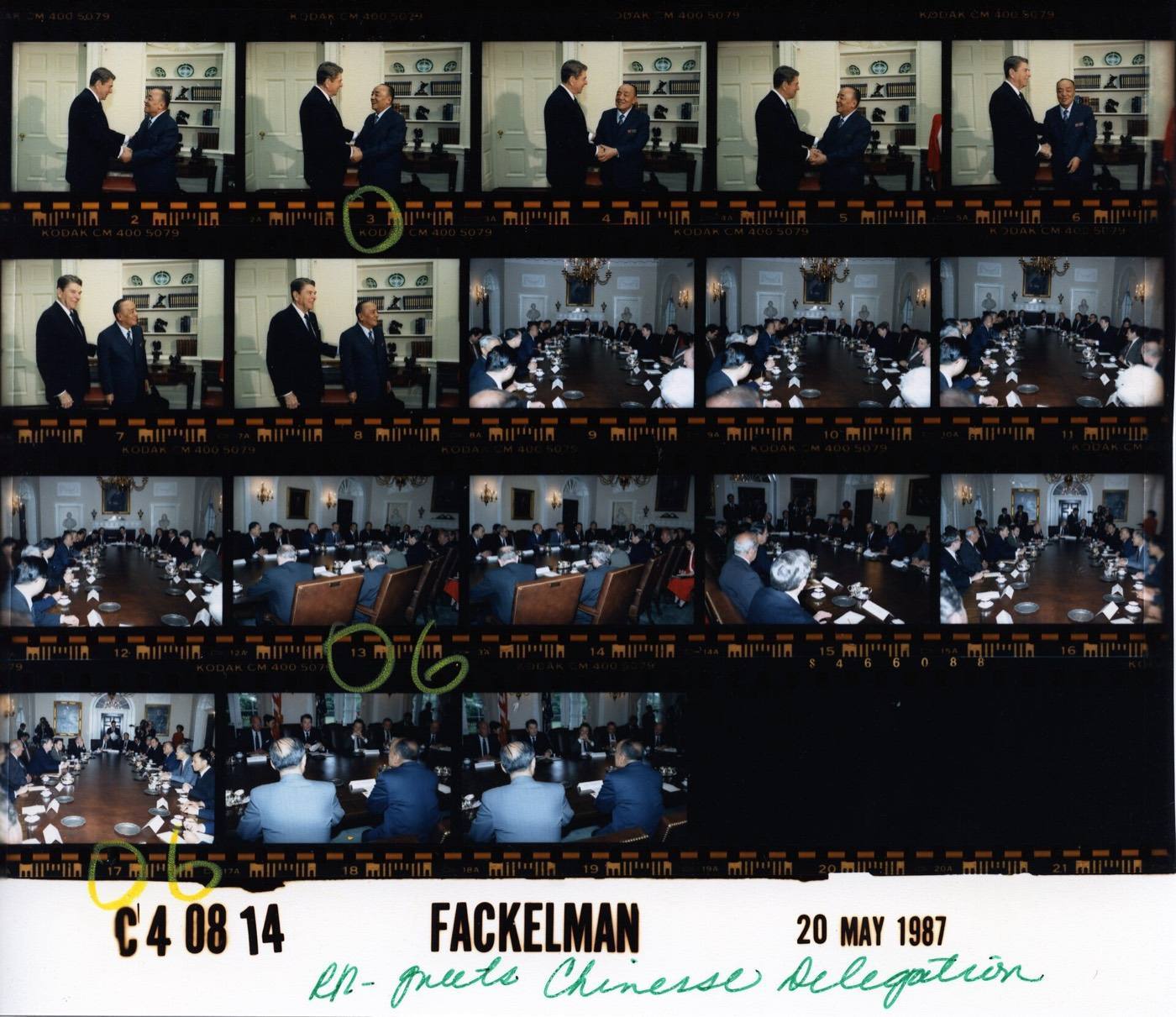
“The casual dismissal of checks and balances is a cause for concern.”
On the left, there is a tendency to dismiss the executive's authority altogether, branding such orders as authoritarian. This, however, can lead to an equally dangerous overreach of rhetoric. While it is crucial to uphold democratic principles, a reactionary stance that vilifies every executive action risks undermining legitimate efforts to govern effectively. The left must not ignore the complexities of governance for the sake of simplicity in critique.
Conversely, the right often champions executive orders as a necessary means to achieve political goals in the face of an obstructive Congress. However, this approach can yield a slippery slope toward an imperial presidency, where executive power is wielded without sufficient restraint. The conservative base must recognize that while they may support the current administration's agenda, unchecked power could one day be a double-edged sword.
Implications for Governance
The implications of such executive orders extend beyond the immediate effects of the policies they enact. They represent a shift in the very fabric of governance, where the executive branch increasingly operates with a sense of autonomy that can erode the foundational principles of democratic oversight. The alarming trend of bypassing congressional input not only disempowers elected representatives but also risks alienating the citizenry.
Furthermore, the perception of an executive branch that operates largely without accountability can breed cynicism among the public. As citizens witness decisions being made behind closed doors, they may feel increasingly disenfranchised from the political process. This is particularly concerning in an era defined by calls for greater transparency and accessibility in governance.
Moreover, there is a growing unease regarding the impact of such orders on civil liberties. The potential for executive overreach is not merely a theoretical concern; it is a reality that could affect millions of Americans. The administration must tread carefully, ensuring that the enforcement of policies does not encroach upon the rights of individuals. This is a critical area where both sides of the aisle must unite in vigilance.
A Call for Bipartisan Oversight
As we navigate this complex political landscape, it is essential for both parties to recommit to the principles of oversight and accountability. Rather than allowing the discourse to devolve into partisan bickering, there must be a concerted effort to foster dialogue and engage in constructive criticism. This is particularly vital in the context of executive orders, which have the power to shape policy without the deliberative process that is the hallmark of legislative governance.
Indeed, the future of effective governance hinges on a renewed commitment to bipartisan cooperation. Leaders on both sides must recognize that fostering a healthy political environment requires more than simply pushing forward their respective agendas. It necessitates a willingness to engage in genuine discussions about the implications of executive power and to seek common ground in the pursuit of accountable governance.
In conclusion, the recent executive order serves as a reminder of the importance of oversight in our democratic system. As we grapple with the complexities of governance in an increasingly polarized environment, it is essential for both left and right to acknowledge the dangers of excess. Only through a commitment to accountability can we ensure that the principles of democracy are upheld.
✦ ✦ ✦