From the file. Written for the paper dated October 1986. Opened in the public stacks July 14, 2026.
In a week marked by rising tensions over health care reform, public clinics across the nation have become focal points for both hope and criticism, revealing the complexities of our current health care system.
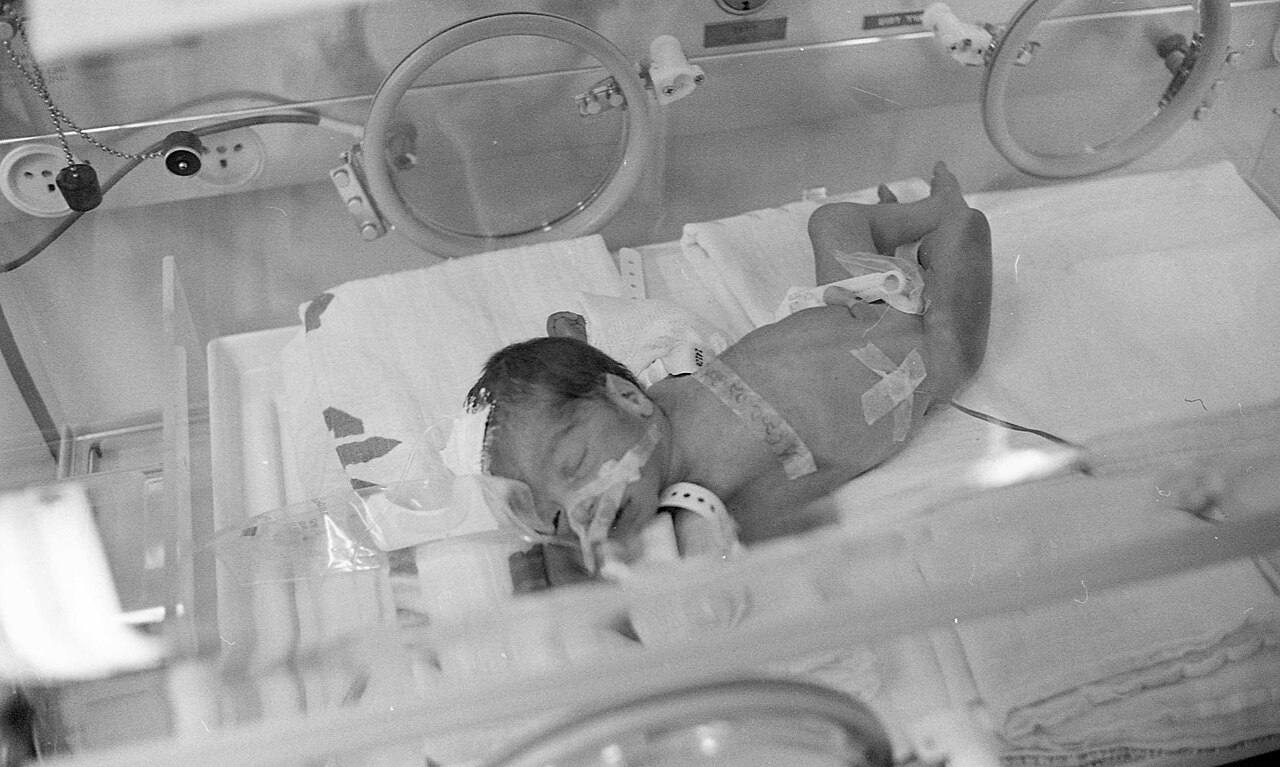
Public Clinics: A Lifeline or a Burden?
As debates over health care coverage intensify, public clinics stand as both a source of critical services and a lightning rod for political controversy. Advocates argue that these facilities provide essential care to underserved populations, while critics contend that they are symptomatic of a failing system that is overly reliant on government intervention.
"Public clinics are not just a safety net; they are a reflection of our societal values." - Health Advocate
Despite the challenges they face, many public clinics continue to deliver vital services, such as immunizations, maternal care, and treatment for chronic conditions. These facilities are particularly crucial for low-income families who may lack access to private health insurance. Yet, as the demand for services grows, so too do the concerns about funding and resources.

Left and Right: A Tug-of-War
The ongoing debate over health care reform reveals a profound divide in American politics. On one side, left-leaning advocates push for expanded government involvement in health care, arguing that it is a moral imperative to provide care for all citizens. They point to the successes of public clinics as evidence that government can effectively administer health services.
On the other hand, right-leaning critics contend that increased government involvement leads to inefficiencies and stifles innovation. They argue that public clinics, while well-intentioned, ultimately serve as a crutch for a health care system that should prioritize private enterprise and competition. This ideological clash often overshadows the real issue at hand: the need for a comprehensive approach to health care that balances public and private efforts.
Success Stories Amidst Challenges
Amid the political turmoil, there are success stories that highlight the positive impact of public clinics. In urban areas, clinics have begun to partner with local organizations to provide comprehensive health education programs, focusing on prevention and wellness. These initiatives not only improve health outcomes but also help to alleviate some of the burdens on emergency rooms, showcasing a proactive approach to health care.
However, these successes are often overshadowed by reports of overcrowded waiting rooms and long wait times. Many clinics are struggling to keep up with the increased demand, leading to frustrations among patients and staff alike. The question remains: how can we ensure that public clinics can continue to serve their communities effectively?
"We cannot sacrifice quality for quantity. Our patients deserve better." - Clinic Administrator
Funding Woes and Future Prospects
One of the most pressing issues facing public clinics is funding. As federal and state budgets tighten, many clinics are finding it increasingly difficult to secure the resources necessary to operate. Some have been forced to cut services or reduce operating hours, which can have dire consequences for the populations they serve.
As the government grapples with budgetary constraints, it is imperative that policymakers recognize the importance of investing in public health infrastructure. Without adequate funding, the very clinics designed to provide care for the most vulnerable will be at risk of collapse.
A Call for Collaboration
Rather than allowing partisan divides to dictate the future of health care, there is a pressing need for collaboration among all stakeholders. Public clinics can serve as a bridge between government and private care, offering a model for how both can work together to enhance health outcomes.
As we move forward, it is vital that we engage in open dialogue about the role of public clinics in our health care system. By acknowledging both the successes and the challenges they face, we can begin to forge a path that prioritizes access to quality care for all Americans.
✦ ✦ ✦