From the file. Written for the paper dated September 1986. Opened in the public stacks July 14, 2026.
As we continue to grapple with the consequences of the recent public health crisis, the conversation around pandemic readiness is taking center stage. Yet, amidst the discussions of vaccines and hospital preparedness, one crucial aspect remains largely untouched: the procedures for managing a pandemic that nobody wants to discuss.
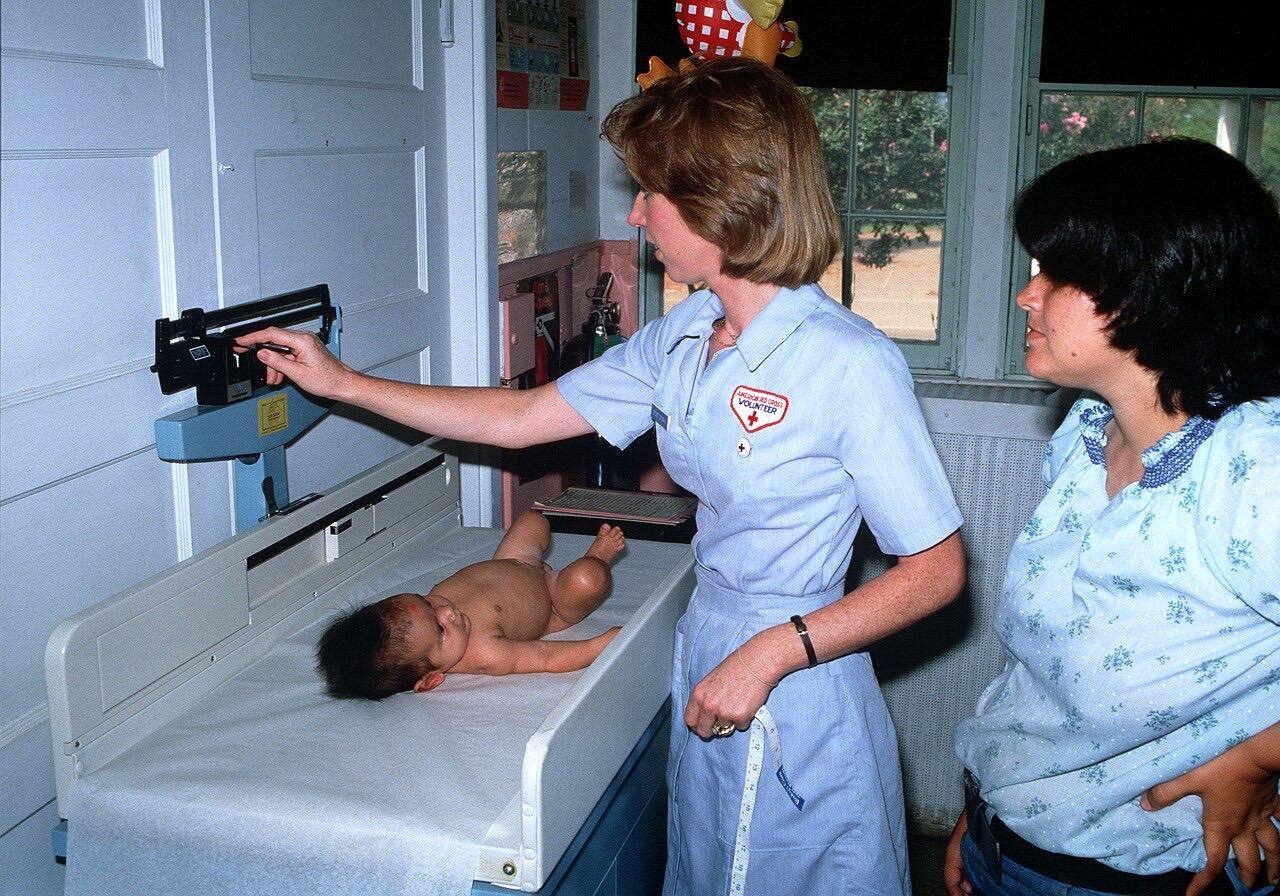
The Unspoken Reality
In the wake of any health crisis, the focus often shifts to immediate response measures - treatments, vaccines, and hospital protocols. However, deeper within our health systems lies a set of procedures designed for the unthinkable: the rationing of care. It’s a topic that many wish to skirt around, but it is essential to confront if we are to truly prepare for future pandemics.
On one hand, we have the left advocating for universal healthcare access, arguing that no one should ever be turned away from treatment. This sentiment is admirable, yet it may inadvertently lead to unrealistic expectations. The reality is that during a pandemic, resources can become scarce, and even the most well-intended policies may not hold up under the weight of overwhelming demand.
Conversely, the right often emphasizes personal responsibility and market-driven solutions, which can lead to an environment where the most vulnerable populations are left to fend for themselves. This approach, while aiming to promote efficiency and innovation, fails to consider the ethical implications when lives are at stake. As we observed during the recent crisis, the unfortunate truth is that not everyone receives equal care, especially in a system where profit motives can overshadow patient needs.
“We must prepare for the unthinkable, even if it’s uncomfortable to talk about.”
Preparation is Key
As the specter of future health crises looms, it is imperative that we engage in genuine discussions about pandemic preparedness. This includes establishing clear protocols for triage and care prioritization, which many health officials are understandably hesitant to address. The uncomfortable truth is that in a situation where resources are limited, decisions must be made about who receives treatment and who does not. This is not a reflection of the value of human life, but rather an acknowledgment of the harsh realities faced during public health emergencies.
Additionally, our health systems must be equipped not just to treat the sick but to manage the overflow of patients. This calls for a reevaluation of how we allocate resources, train medical personnel, and engage with communities. A robust public health infrastructure is crucial, yet funding often falls victim to political gamesmanship, with both sides of the aisle placing blame rather than working collaboratively to build something stronger.
A Cultural Shift
Beyond policy discussions, there is a pressing need for a cultural shift in how we view public health and preparedness. The left’s push for a more equitable healthcare system must be matched with the right’s emphasis on fiscal responsibility and effective resource management. Only through a balanced approach can we hope to navigate the complexities of public health crises without descending into chaos.
Moreover, the media has a significant role to play in shaping public discourse. Sensationalism can often distort the realities of pandemic readiness, leading to fear and misinformation. Instead, a commitment to responsible reporting - highlighting both the successes and shortcomings of our current systems - will foster a more informed citizenry, better equipped to engage in the necessary conversations about health and safety.
The Path Forward
In conclusion, as we forge ahead into an uncertain future, we must commit to addressing the aspects of pandemic readiness that are often brushed aside. By fostering a culture of open dialogue and collaboration between all stakeholders - government, healthcare providers, and the public - we can create a more resilient system capable of withstanding the pressures of a health crisis.
It is time to leave behind divisive rhetoric and work towards a common goal of safeguarding public health. Let us not wait for the next pandemic to confront the difficult questions. Instead, let’s engage in proactive planning and honest discussions about the procedures that, while uncomfortable, are necessary to ensure the health and safety of our communities.
✦ ✦ ✦