From the file. Written for the paper dated September 1986. Opened in the public stacks July 14, 2026.
In the wake of a new executive order issued by the current administration, a nuanced examination of the procedural intricacies surrounding such decisions is sorely needed. While the public debates the merits of the order itself, the underlying processes remain cloaked in ambiguity.
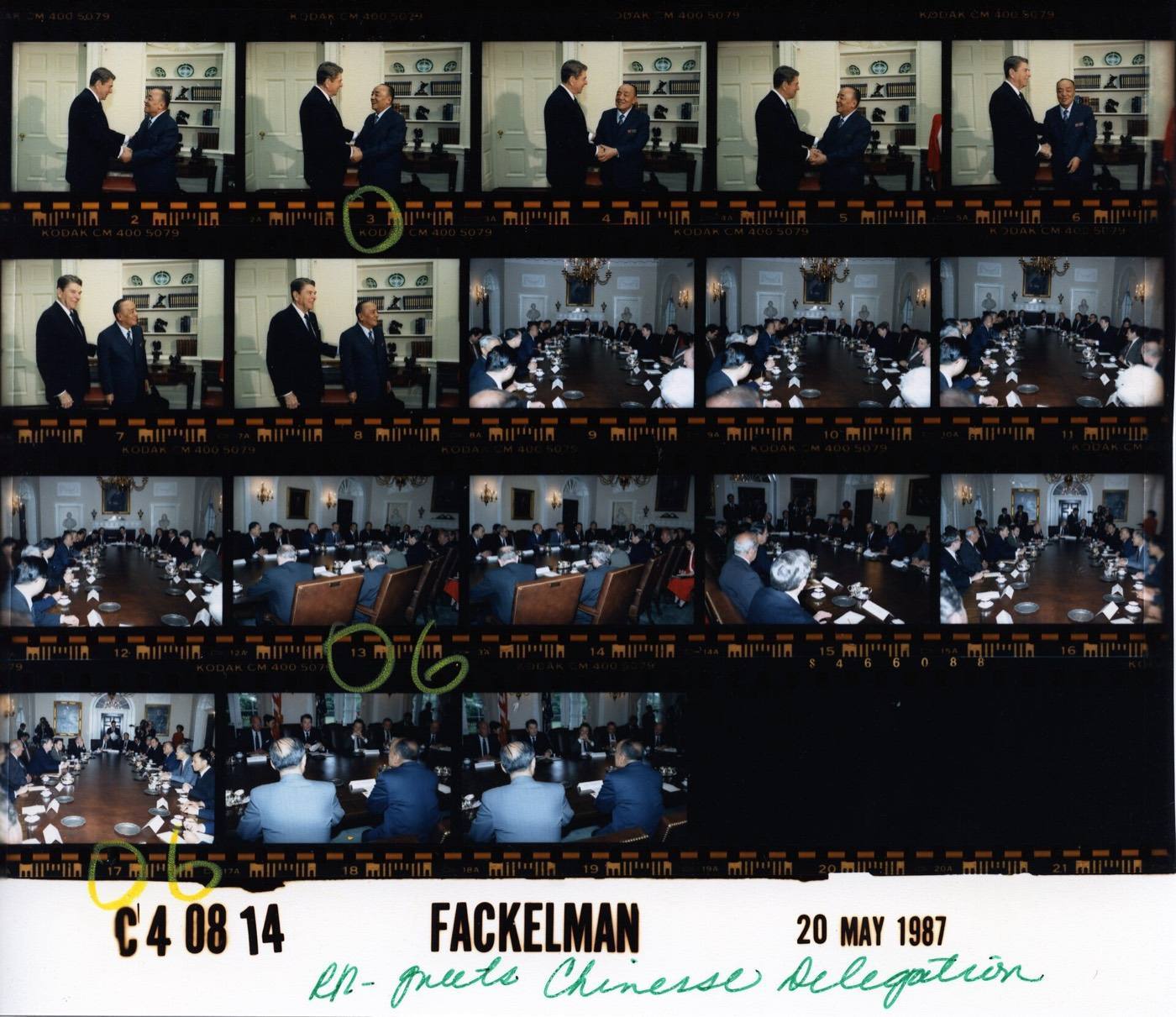
The Machinery of Executive Action
Executive orders have become a powerful tool for presidents to enact policies without the need for legislative approval. Yet, the procedures surrounding their formulation and implementation often escape public scrutiny. This lack of transparency raises questions about accountability and democratic principles. While both sides of the political spectrum might cheer for their respective leaders' use of executive orders, the implications of such unilateral action should serve as a warning to all Americans.
The current administration has touted its latest executive order as a necessary response to pressing national issues. However, it is crucial to investigate the legitimacy of the process that brought this order into being. Was there a robust deliberative process? Were diverse perspectives considered? The answer to these questions appears to be shrouded in a veil of secrecy, leaving citizens to wonder whether their voices are being adequately represented in the democracy they hold dear.
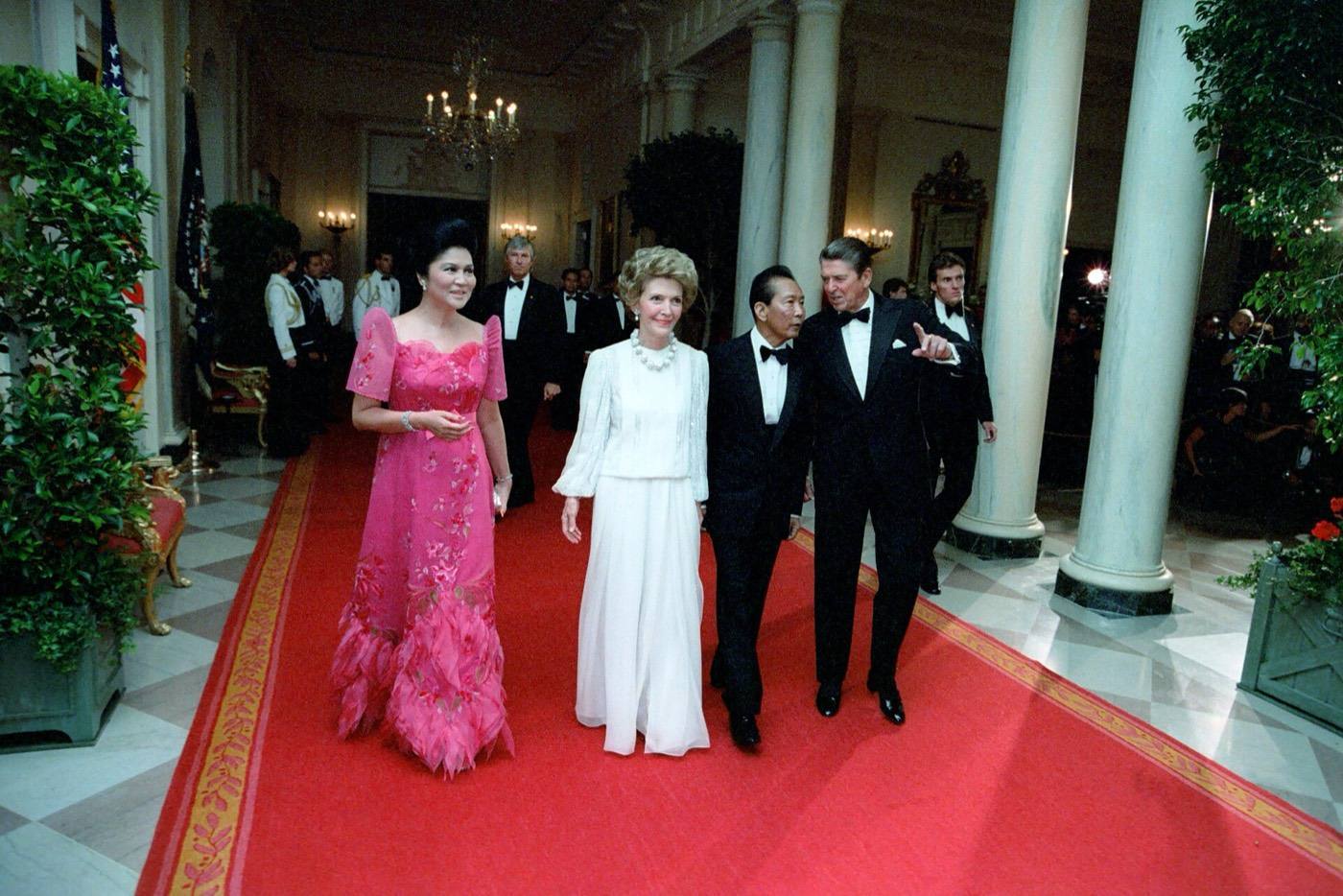
"The lack of transparency in executive actions is a threat to democratic accountability."
Critique of Left and Right Excesses
As we navigate this landscape, it is essential to hold both sides accountable for their respective excesses. The left often embraces executive orders as a means of advancing progressive agendas, championing social justice and environmental protection. However, this eagerness can lead to an over-reliance on executive authority, undermining the legislative process and setting a dangerous precedent.
Conversely, the right frequently condemns executive overreach when it suits their agenda, only to embrace similar tactics when in power. This hypocrisy reveals a troubling trend: both parties are willing to sacrifice the checks and balances that define our democracy for short-term gains. This cycle of excess must be curtailed if we wish to maintain the integrity of our political system.
The Role of Public Discourse
Public discourse is vital in shaping the policies that govern our lives. Unfortunately, the current climate often discourages nuanced conversations about executive actions. On one hand, proponents of the order celebrate it as a victory for progress, while opponents vilify it as an unwarranted power grab. In this polarized environment, we must strive for a more balanced dialogue that addresses the merits and drawbacks of executive orders without resorting to partisan rhetoric.
To foster a healthier political climate, citizens must be encouraged to engage with these complex issues critically. This means going beyond the sound bites and headlines to explore the implications of executive actions fully. It is not enough to simply cheer or jeer; we must demand accountability and transparency in the processes that shape our lives.
The Path Forward
As citizens, we have a responsibility to hold our leaders accountable for their actions. This means advocating for more transparent processes regarding executive orders and demanding that our elected officials engage in meaningful public discourse. We must encourage a culture of accountability that prioritizes the democratic principles upon which our nation was founded.
In an era where executive power appears to be expanding, it is more critical than ever for citizens to remain vigilant. The health of our democracy depends on our ability to question, to engage, and to demand a government that truly represents the will of the people. As we reflect on the latest executive order, let us not forget the procedures that brought it to fruition and the broader implications for our collective future.
✦ ✦ ✦