From the file. Written for the paper dated July 1986. Opened in the public stacks July 14, 2026.
In a time where immigration has swiftly become a hot-button issue, the mechanics of border policy require a thorough examination beyond mere partisan rhetoric.
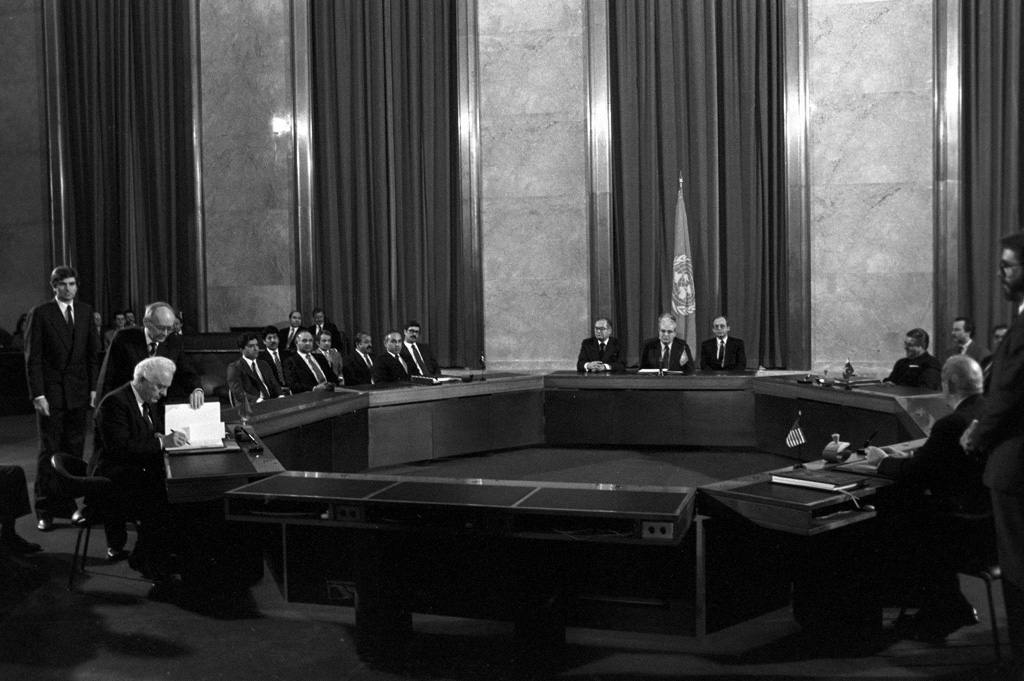
The Complexities of Border Enforcement
As the debate surrounding immigration intensifies, both sides of the political spectrum appear to be missing the mark on the intricacies of border policy mechanics. The left often portrays the enforcement of immigration laws as cruel and inhumane, while the right tends to dismiss the need for compassion entirely, framing the issue solely in terms of criminality and national security. This binary view not only simplifies a complex situation but also hinders meaningful conversation about how best to approach the challenges of immigration.
Currently, the United States finds itself navigating a complicated web of laws, regulations, and enforcement practices that govern who enters and remains in the country. The Immigration Reform and Control Act of 1986, which is still being shaped and debated, aims to address issues of both illegal immigration and the rights of those seeking citizenship. However, the law's implementation reveals a multitude of issues that must be addressed to ensure both enforcement and humanity.
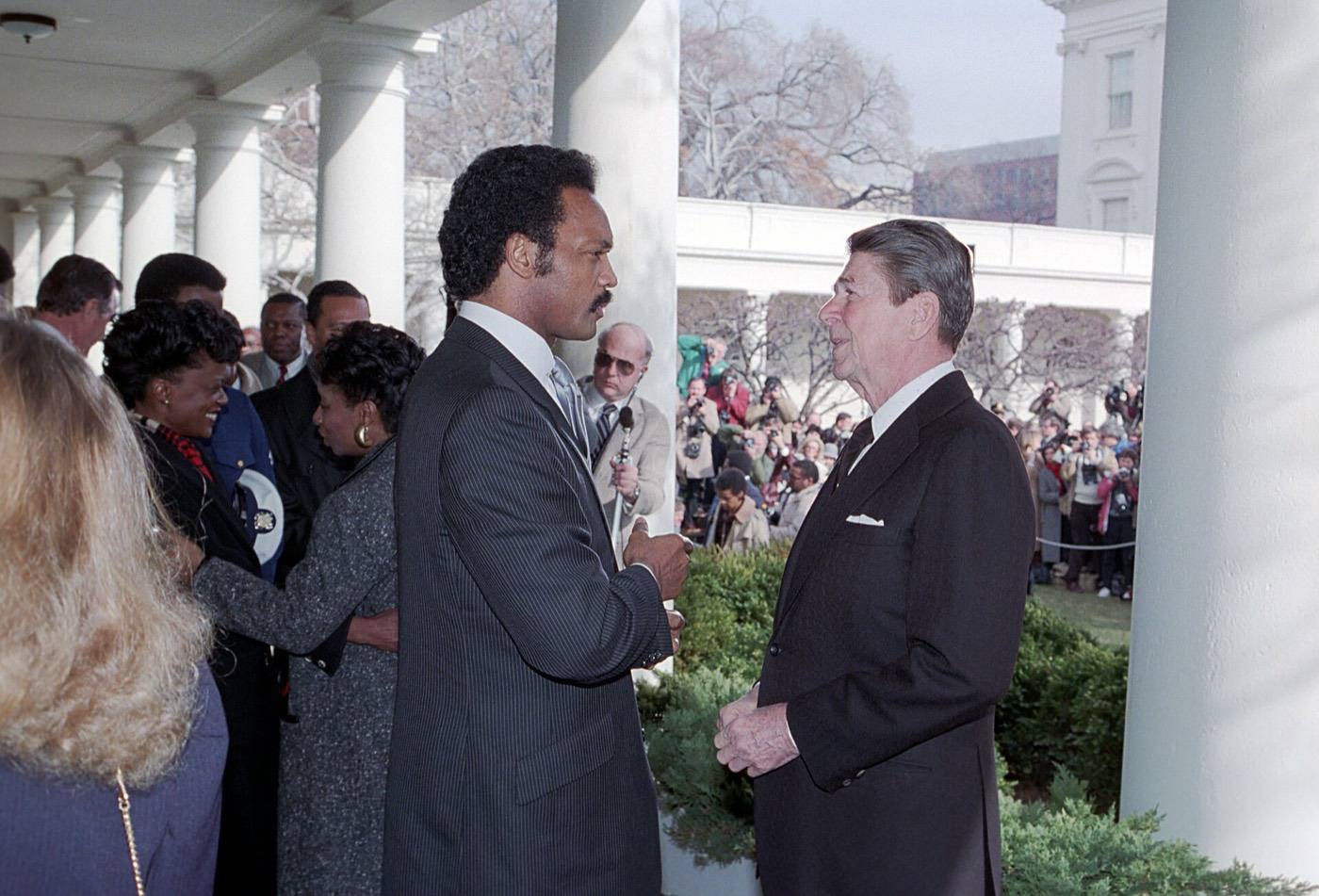
“The rhetoric around immigration often obscures the real lives at stake.”
For many on the left, the focus is heavily weighted toward the human impact of immigration enforcement. They argue that the current approach leads to family separations, workplace exploitation, and an overall climate of fear among immigrant communities. While these concerns are valid and merit attention, they often overlook the necessity of maintaining a structured and secure border. Without effective enforcement, the very fabric of the nation’s immigration system risks unraveling.
On the other hand, the right’s approach often leans heavily toward stringent enforcement measures, with calls for increased border patrol agents and fencing along stretches of the U.S.-Mexico border. This perspective prioritizes a hardline stance, painting immigrants as a threat rather than recognizing their potential contributions to society. It is crucial to acknowledge that many individuals seeking entry into the United States do so fleeing violence, poverty, or persecution. A nuanced approach is required - one that balances security with compassion.
Navigating the Middle Ground
What is needed is a more nuanced understanding that recognizes the complexities of border policy mechanics. The conversation must shift from heated rhetoric to a focus on evidence-based solutions. Policymakers should rigorously analyze the efficacy of current enforcement strategies and consider reforms that prioritize both security and humanitarian needs. This middle ground is essential for crafting policies that reflect both the values of the nation and the realities of global migration.
As we consider potential reforms, it is important to highlight the role of community organizations and local governments in providing support and resources for immigrant populations. Many communities have developed programs that assist immigrants in navigating their legal rights and help them integrate into society. These grassroots efforts are often more effective than heavy-handed federal initiatives and can serve as models for a more compassionate approach to immigration.
Moreover, we must not ignore the economic implications of immigration policy. Immigrants contribute significantly to the U.S. economy, filling labor shortages in various industries and fostering entrepreneurship. Crafting policies that recognize and harness these contributions will not only benefit those seeking a better life but also strengthen the nation as a whole.
Conclusion: A Call for Balanced Dialogue
As we move forward in the discussion surrounding border policy, it is imperative that we reject the extremes on both sides. The left must acknowledge the necessity for order and security, while the right must recognize the human realities of those seeking refuge and opportunity in the United States. A balanced dialogue that prioritizes evidence over ideology will pave the way for effective policies that reflect the true character of our nation.
✦ ✦ ✦