From the file. Written for the paper dated May 1986. Opened in the public stacks July 14, 2026.
The power to pardon, enshrined in the U.S. Constitution, has long been a subject of heated debate. As we examine its implications in the current political landscape, it is imperative to understand how this power serves not only the individuals it may absolve but also the institutions that wield it.

The Essence of Pardon Power
The presidential power to grant pardons is a unique provision that has the potential to reshape the course of justice in America. Rooted in the belief that mercy should have a place in our legal system, it provides a counterbalance to the often rigid and unforgiving nature of statutory law. However, this same power can also be exploited, leading to questions about accountability and fairness.
As we observe the current administration's use of this privilege, it becomes evident that the motivations behind granting pardons can be as complex as the legal cases themselves. While some pardons have been issued in the name of justice and rehabilitation, others appear to be politically motivated, raising concerns that the executive branch may be more interested in protecting its own interests rather than upholding the principles of justice.
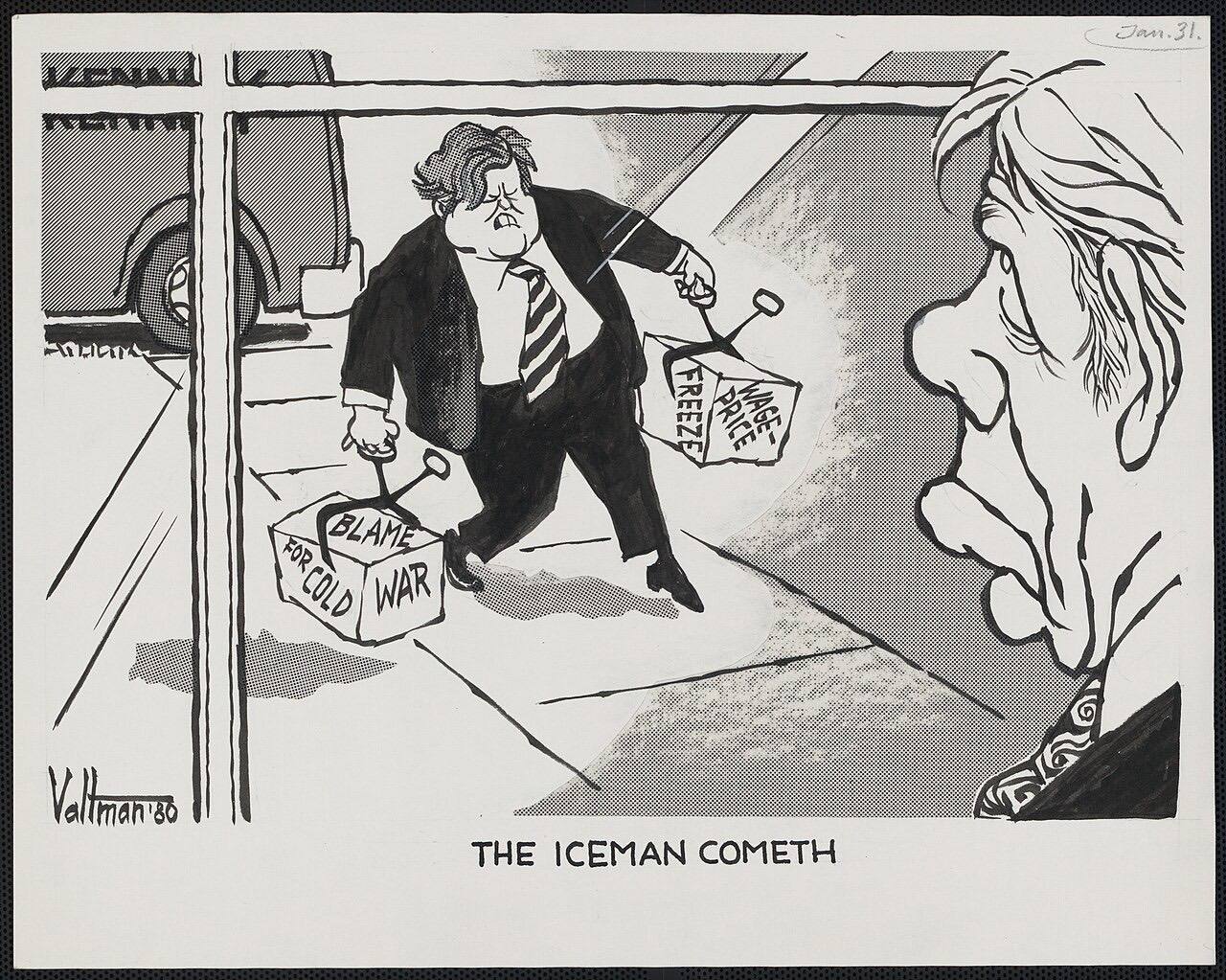
Institutional Protectionism
One cannot overlook how institutions, including the presidency, navigate the murky waters of public perception and accountability. The pardon power often serves to reinforce institutional self-preservation. By granting pardons, presidents can shield themselves and their affiliates from scrutiny, effectively creating a layer of insulation against public outrage.
The overt partisan nature of some pardons further complicates matters. Supporters on the left and the right can easily point to instances where their political adversaries have abused the pardon power, using it as a tool to reward allies or silence dissenting voices. This not only erodes trust in the executive branch but also fuels the fire of partisan division, making it increasingly difficult to engage in meaningful dialogue about reform.
"The pardon power, while intended as a means of mercy, has become a political tool that some leaders wield for their own benefit."
Critique of Left and Right Excesses
As we examine the current political climate, it is essential to critique both sides for their respective excesses. The left, in its fervor for justice and reform, often overlooks the necessity of discretion and mercy in the legal system. Calls for sweeping reforms can sometimes lead to a dismantling of the very institutions that provide checks and balances against tyranny. This can result in an erosion of trust in the system, alienating those who may have benefited from the compassion that the pardon power can embody.
On the other hand, the right, while advocating for a tough-on-crime approach, risks embracing a punitive mindset that neglects the potential for rehabilitation. Their unwavering support for harsh sentencing and minimal tolerance for mercy can lead to a system that punishes rather than rehabilitates, ultimately undermining the very foundations of justice. In doing so, they often ignore the fact that many individuals who find themselves entangled in the legal system are victims of circumstance rather than inherently criminal.
The Path Forward
In navigating the complexities of the pardon power, it is crucial for both sides of the political spectrum to engage in self-reflection. Each must consider the implications of their stance - not just on their immediate supporters, but on the broader fabric of American society. The challenge lies in finding common ground, where mercy can coexist with accountability, and where the institutions designed to protect justice can be reformed without sacrificing their core purpose.
As we move forward, it is essential to foster a culture of accountability that holds leaders to their promises, ensuring that the pardon power is exercised with integrity and purpose. Only then can we hope to restore faith in our institutions and promote a justice system that truly reflects the values upon which this nation was founded.
Conclusion
The pardon power is a double-edged sword, capable of bringing both relief and controversy. As we witness its application in the current administration, it is imperative for citizens to demand transparency and accountability. By doing so, we can ensure that this vital tool of mercy serves its intended purpose, rather than becoming a weapon of political expediency.
✦ ✦ ✦