From the file. Written for the paper dated December 1985. Opened in the public stacks July 14, 2026.
In the ongoing debate around healthcare accessibility in America, the issue of pharmacy deserts has emerged as a focal point, revealing a troubling trend of selective memory on both sides of the political spectrum.
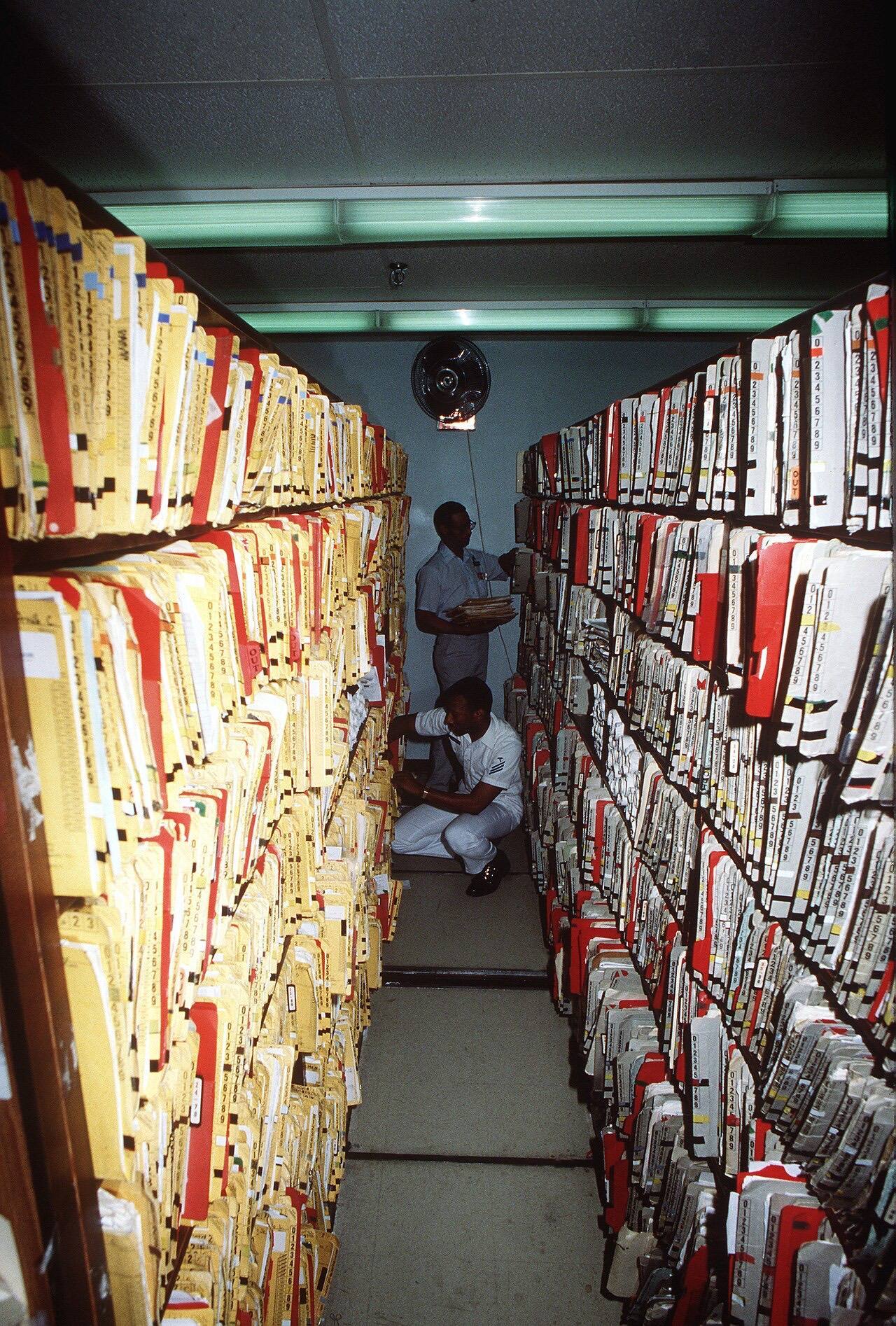
Understanding Pharmacy Deserts
Pharmacy deserts are areas where residents lack access to a nearby pharmacy, creating significant barriers to obtaining necessary medications and healthcare services. The phenomenon has been particularly pronounced in low-income and rural communities, where residents may have to travel great distances to access essential medications. As policymakers and advocates scramble to address these disparities, both left and right are guilty of glossing over the complexities of the issue.
The Left's Oversight
The left often champions the cause of equitable healthcare access, arguing that every American deserves the right to timely medications without undue hardship. However, there is a tendency to overlook the role of local governance and community planning in perpetuating pharmacy deserts. While advocating for federal solutions and expanded access, many progressive voices fail to address how local zoning laws and business regulations can impede the establishment of new pharmacies in underserved areas.
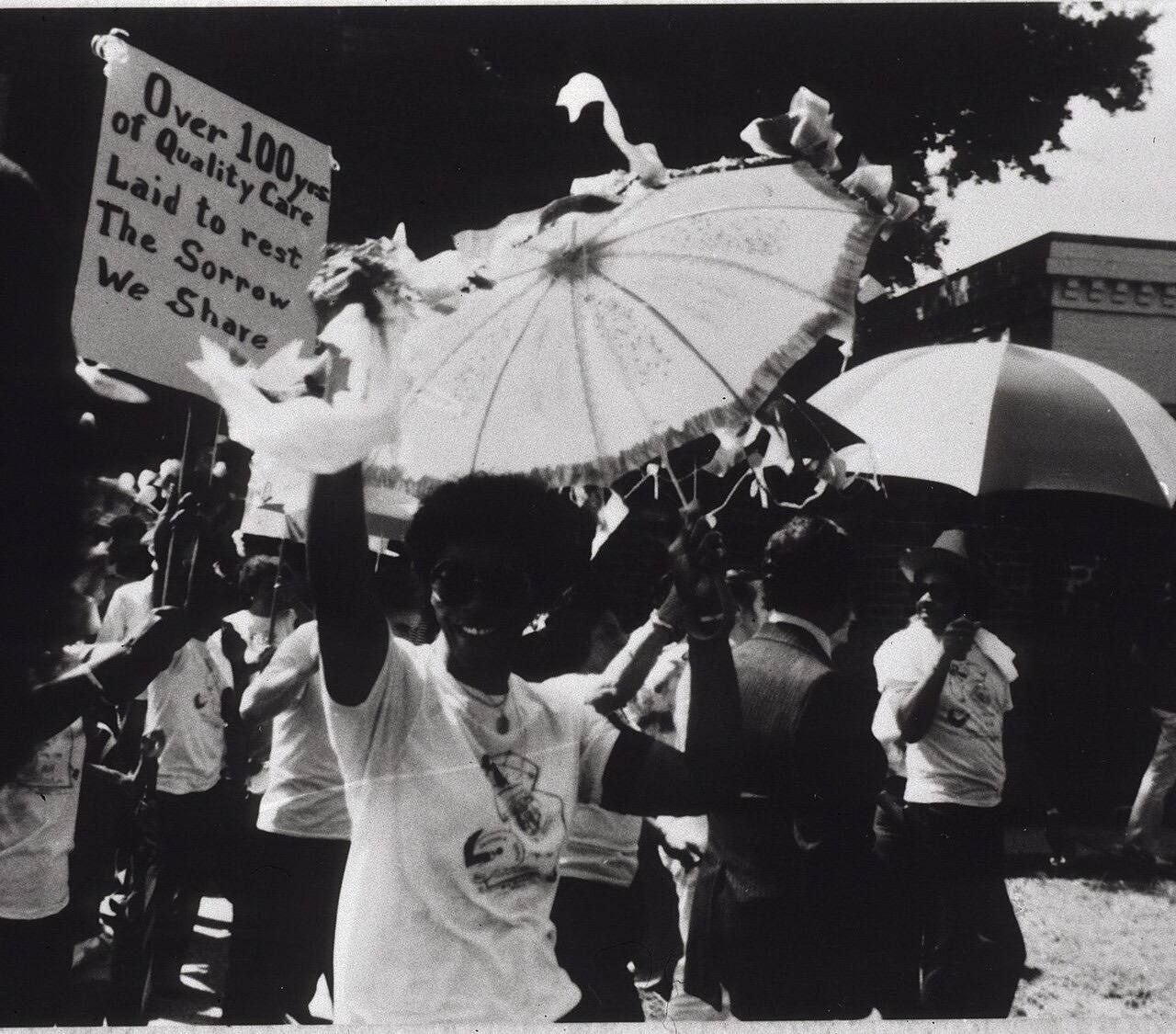
"A one-size-fits-all approach to healthcare fails to consider the nuances of local economies and community needs."
This selective memory is problematic, as it creates an illusion that all the responsibility falls solely on federal or state-level interventions. In reality, community engagement and local policies play a crucial role in determining where pharmacies can thrive. This oversight not only weakens the left's arguments but also sidesteps the opportunity to empower local leaders who understand the specific needs of their communities.
The Right's Distraction
On the other side of the aisle, conservatives often advocate for free-market solutions as the antidote to pharmacy deserts. They argue that deregulation and incentivizing private enterprise will naturally lead to an increase in pharmacy access. However, this perspective often neglects the systemic barriers that prevent pharmacies from entering certain markets, particularly in economically disadvantaged areas.
"While market forces are essential, they cannot address the deep-rooted inequalities that exist in healthcare access."
By focusing solely on market-driven solutions, the right risks ignoring the very real challenges faced by those who live in pharmacy deserts. The belief that competition alone will resolve these disparities is a dangerous oversimplification. As a result, the plight of millions of Americans remains unaddressed, perpetuating the cycle of neglect and indifference.
A Call for Comprehensive Strategies
Both sides of the political spectrum must confront the complexities surrounding pharmacy deserts with a more nuanced understanding. A comprehensive strategy that incorporates federal support, local engagement, and market incentives is essential for addressing the healthcare needs of underserved populations. Such an approach would recognize that pharmacy access is not merely a question of economics but one of social justice and equity.
Looking Toward Solutions
To effectively address pharmacy deserts, lawmakers must consider a variety of solutions that integrate community needs with market realities. This includes revising zoning laws to allow for more pharmacy locations, offering tax incentives to pharmacies that serve low-income areas, and creating partnerships between local governments and private enterprises to fill gaps in access.
Moreover, public health campaigns aimed at raising awareness about available resources can empower communities to advocate for themselves. By fostering a culture of local engagement and responsibility, we can create a more equitable landscape for healthcare access.
Conclusion
The issue of pharmacy deserts is emblematic of a broader failure to address healthcare disparities in America. By recognizing the limitations of partisan narratives and embracing a more holistic approach, we can work toward a future where every individual has access to the medications they need without the burden of distance or cost. It is time for both sides to acknowledge their blind spots and collaborate on real solutions that benefit the most vulnerable among us.
✦ ✦ ✦