From the file. Written for the paper dated December 1985. Opened in the public stacks July 14, 2026.
As we wade deeper into the complexities of national security, it becomes evident that both sides of the political spectrum in Washington exhibit a troubling tendency toward selective memory when it comes to intelligence estimates. This habit not only undermines the integrity of our national discourse but also poses serious implications for policy-making.
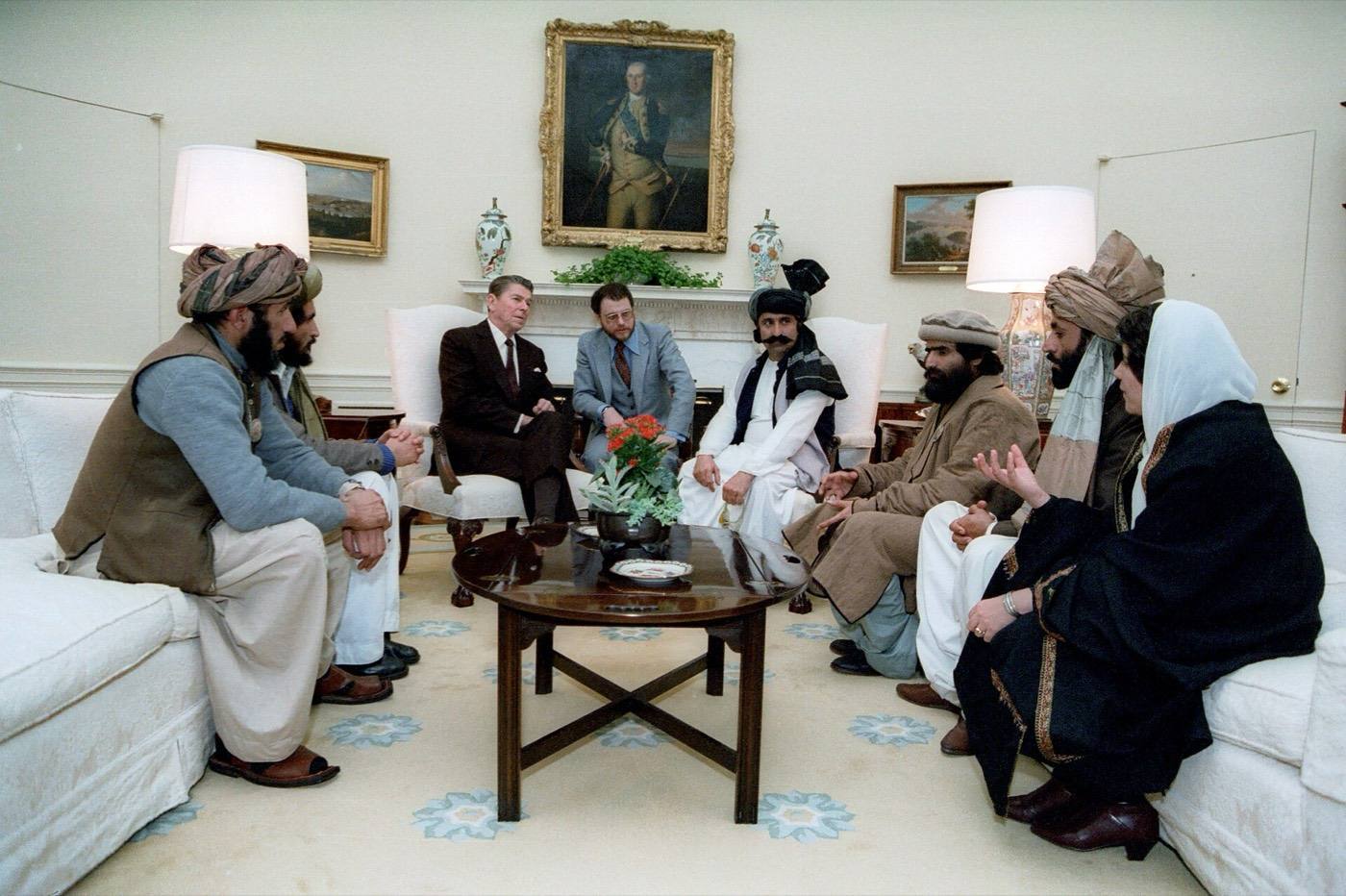
The Left's Convenient Amnesia
The left, traditionally more skeptical of military engagements, often leans heavily on intelligence that supports its narrative while conveniently disregarding evidence that contradicts its pacifist stance. The recent controversies surrounding U.S. involvement in Central America serve as a poignant example. The intelligence community has provided a wealth of information regarding the threats posed by communist insurgencies in the region. Yet, many on the left have chosen to downplay these assessments, favoring instead a narrative that emphasizes human rights abuses and the need for diplomatic solutions.
The Right's Historical Blindness
Conversely, the right has exhibited its own brand of selective memory, particularly regarding the implications of intelligence in foreign policy. The current administration has been quick to embrace estimates that support a more aggressive military posture, often citing the threat of Soviet expansionism as justification for increased defense spending and interventionist policies. However, this same faction tends to gloss over the intelligence failures of the past, such as the miscalculations leading up to the Vietnam War, which should serve as a cautionary tale for future engagements.
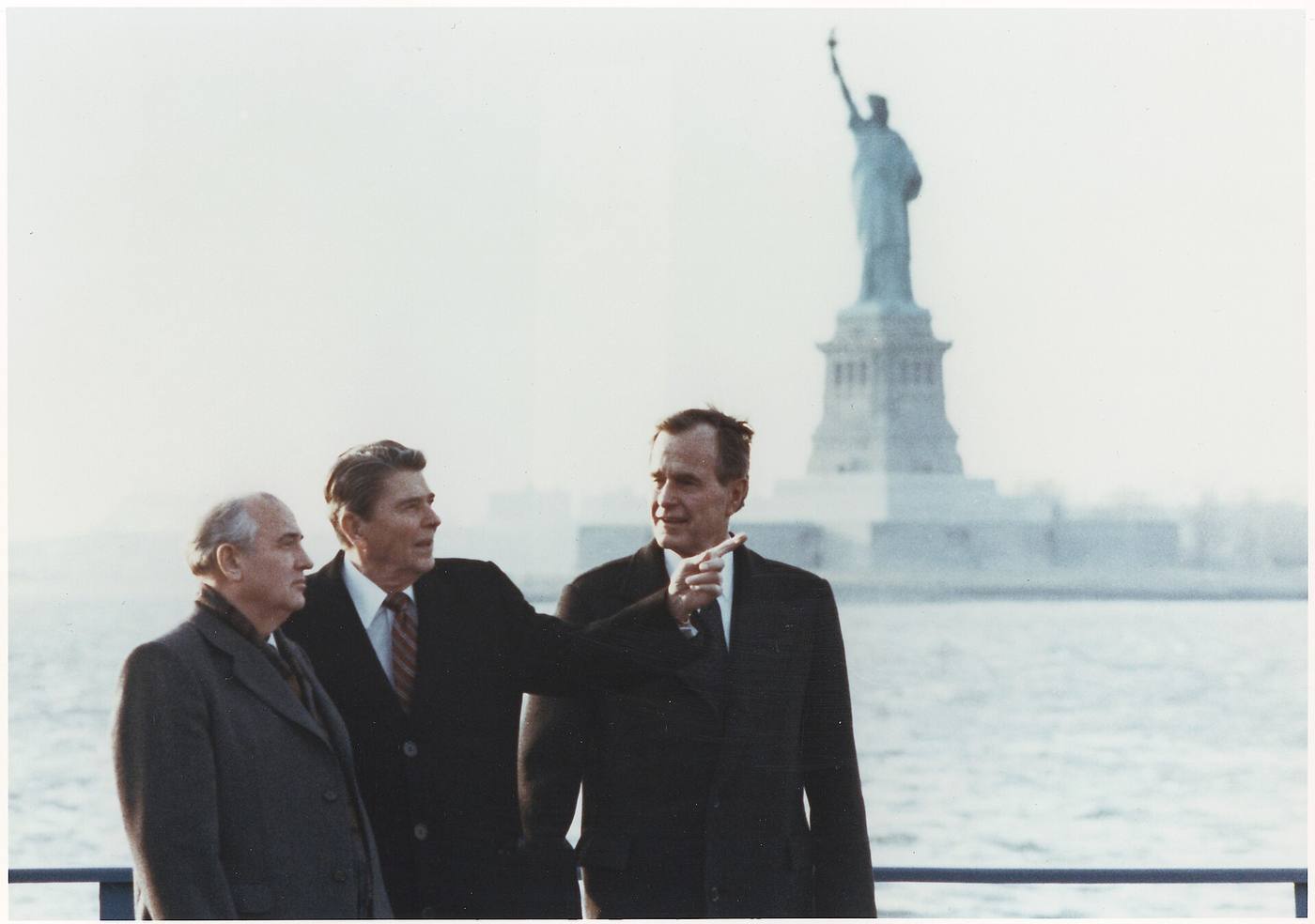
“When it comes to national security, both sides are guilty of cherry-picking data that supports their agendas.”
The Perils of Partisan Intelligence
This bipartisan habit of selective memory is particularly alarming when we consider the stakes involved. National security is not merely a political football; it is a matter of life and death. By ignoring inconvenient truths, both parties risk making decisions that could have catastrophic consequences. The intelligence estimates that inform our military strategies should be treated with the utmost seriousness, rather than as tools for political gain.
The Role of the Media
The media, too, bears some responsibility in this dynamic. In an age where sensationalism often trumps substantive reporting, the complexities of intelligence estimates can be lost in the fray. Outlets that sensationalize findings without providing context contribute to the public's misunderstanding of critical issues. It is essential for journalists to approach intelligence reporting with a commitment to accuracy and a willingness to present all facets of an issue - rather than simply echoing the narratives of political leaders.
A Call for Accountability
As we navigate through these treacherous waters, it is crucial for both the left and the right to hold themselves accountable for their interpretations of intelligence. This requires a commitment to engaging with the full spectrum of available information, rather than succumbing to the temptation of political expediency. Lawmakers must remember that their decisions are not merely votes on a bill; they are choices that affect the lives of countless individuals both at home and abroad.
The Need for Bipartisan Cooperation
Ultimately, addressing the challenges posed by selective memory will necessitate a degree of bipartisan cooperation that has been sorely lacking in recent years. If both parties genuinely seek to protect the nation, they must be willing to engage in honest conversations about the threats we face and the intelligence that informs our responses. This means prioritizing the truth over party loyalty and recognizing that the stakes are too high for anything less than a unified approach.
✦ ✦ ✦