From the file. Written for the paper dated December 1985. Opened in the public stacks July 14, 2026.
As the dollar fluctuates in a volatile global market, both sides of the political spectrum seem to engage in a troubling habit - selective memory when it comes to economic policy and its ramifications.

Shifting Fortunes in Currency Markets
The currency markets are in a state of flux as we approach the end of 1985. The dollar has faced significant challenges, from international trade negotiations to inflationary pressures at home. Yet amid this turbulence, politicians from both parties are quick to reframe the narrative to suit their agendas, often ignoring the realities of their own contributions to the current state of affairs.
On one hand, the Reagan administration has consistently praised its economic policies, claiming credit for the dollar's earlier strength. But now, as the dollar weakens against foreign currencies, the administration seems to downplay the role of its own fiscal policies, such as tax cuts that have increased the national deficit and contributed to inflation.
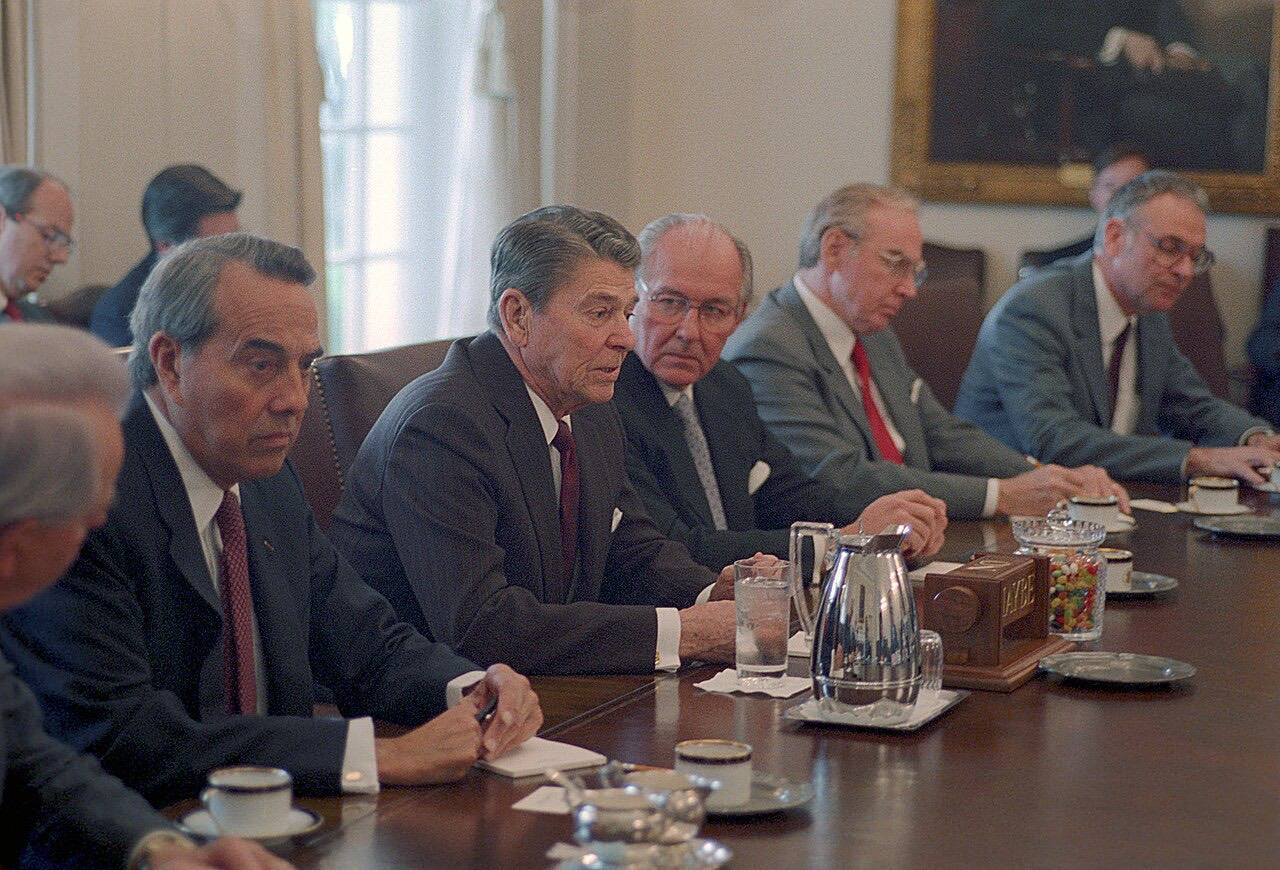
Meanwhile, Democrats are not without sin in this selective memory game. They often point fingers at the current administration, highlighting the dollar's struggles while conveniently forgetting the effects of their own policies during the Carter years. When it comes to currency valuation, both sides seem to possess a remarkable ability to rewrite history.
Partisan Finger-Pointing
The recent rise of protectionist sentiments has also fueled the partisan divide. Democrats have decried the administration's approach as reckless, advocating for a stronger regulatory framework to stabilize the dollar. However, many of these same politicians, during their tenures in the 1970s, endorsed policies that contributed to the very inflation they now lament.
Conversely, Republicans have been quick to dismiss concerns about the dollar's weakness, often framing them as unfounded fears from the opposition. This tendency to ignore the consequences of their policies, particularly in international trade, raises questions about their genuine commitment to sound economic stewardship.
“The currency markets are a reflection of our national policies, yet both parties are blinded by their own narratives.”
The Impact of International Relations
The interplay between currency and international relations cannot be overstated. The United States' position as a global economic leader is increasingly at risk as foreign nations respond to the dollar's instability. Recent trade agreements have been met with skepticism, and nations are diversifying their reserves away from the dollar, a trend that could have long-lasting implications.
Yet, rather than addressing these complex international dynamics, both parties seem more focused on scoring political points. The Democrats criticize the administration for failing to engage effectively with allies, while Republicans deflect blame onto external factors, asserting that foreign adversaries are manipulating their currencies to undermine American economic strength.
The Consequences of Selective Memory
This bipartisan tendency towards selective memory serves only to muddy the waters in an already complicated economic landscape. As politicians craft narratives that absolve them of responsibility, the American public is left to grapple with the consequences. Inflation continues to rise, and the purchasing power of the average American wanes, as both parties evade the real issues at hand.
Furthermore, this selective memory has implications for policy-making. Without a clear-eyed understanding of the past, it's difficult to forge a path forward. Leaders must confront their own histories, acknowledging both successes and failures, if they are to address the very real challenges facing the currency markets and the economy as a whole.
Conclusion: A Call for Accountability
As we close out 1985, it is imperative that both parties step away from their partisan narratives and instead embrace a more holistic understanding of the economy. The currency markets are not merely a reflection of one party's policies - they are the result of decades of decisions made by leaders on both sides of the aisle.
Moving forward, we must demand accountability, not just from our leaders but from ourselves as citizens. It is our duty to engage with the complexities of our economy, to recognize the interconnectedness of our policies, and to hold our representatives responsible for the legacy they leave behind.
✦ ✦ ✦