From the file. Written for the paper dated November 1985. Opened in the public stacks July 14, 2026.
In a nation increasingly defined by partisan divides, the recent oversight hearing on government spending has revealed a quiet failure of accountability, as both sides seem more interested in scoring political points than in genuine oversight.
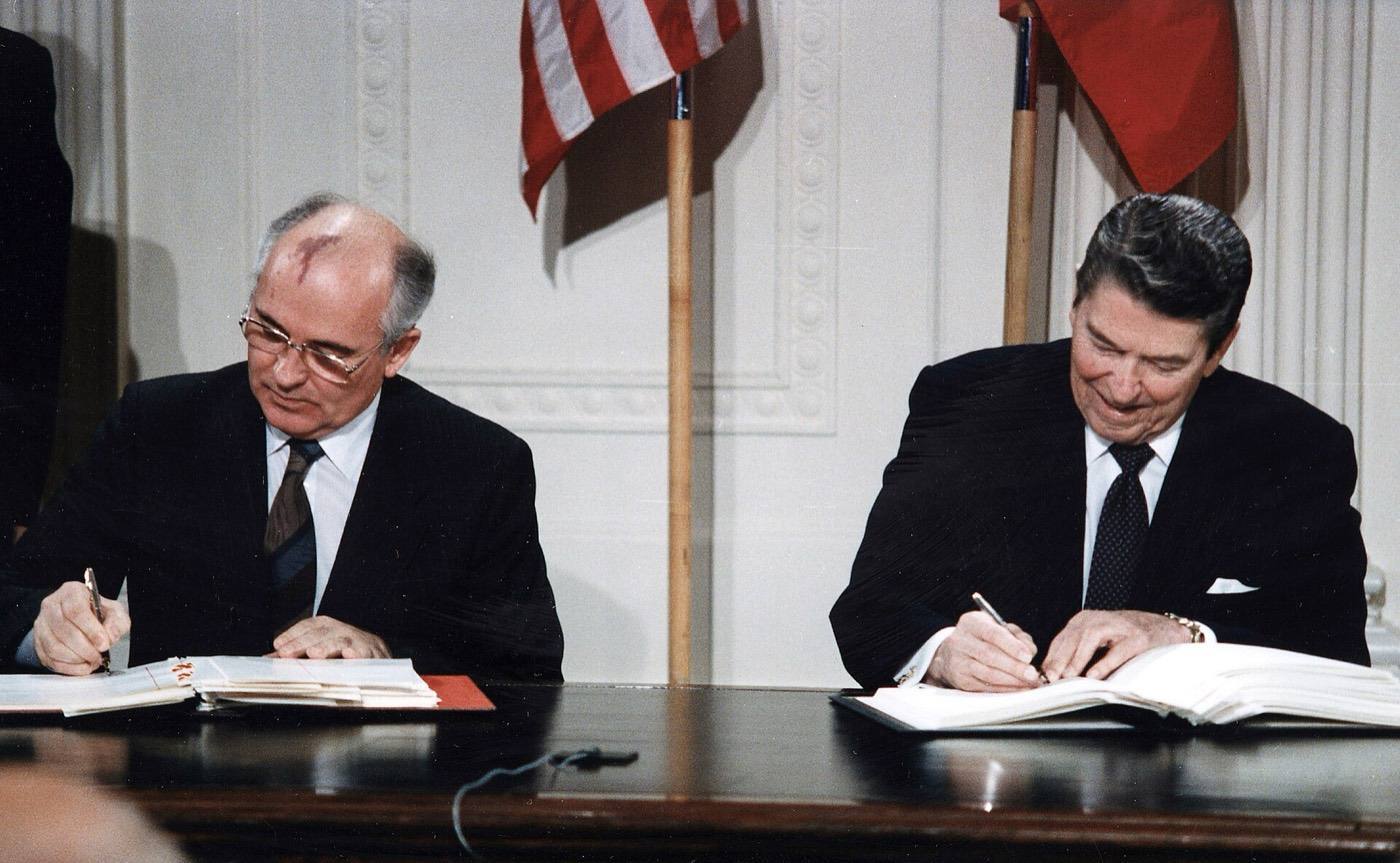
The Hearing: A Stage for Showmanship
On November 12, the House Oversight Committee convened in a much-anticipated session to scrutinize the federal budget. Initially, it promised to be a thorough examination of how taxpayer dollars are allocated and spent. However, as the hours rolled on, it became clear that the real drama lay not in the substance of the hearing but in the hyperbolic performances of committee members. Both Republican and Democratic representatives appeared more concerned with delivering sound bites for the evening news than engaging in meaningful dialogue.
As the proceedings unfolded, it was disheartening to witness both sides resorting to theatrics, each trying to outdo the other in their denunciations of wasteful spending. The Republicans pointed fingers at what they labeled “lavish” expenditures on social programs while the Democrats retaliated by highlighting corporate subsidies that benefit the wealthy. In doing so, they sidestepped the critical issue at hand: a lack of effective oversight that allows such spending to go unchecked.
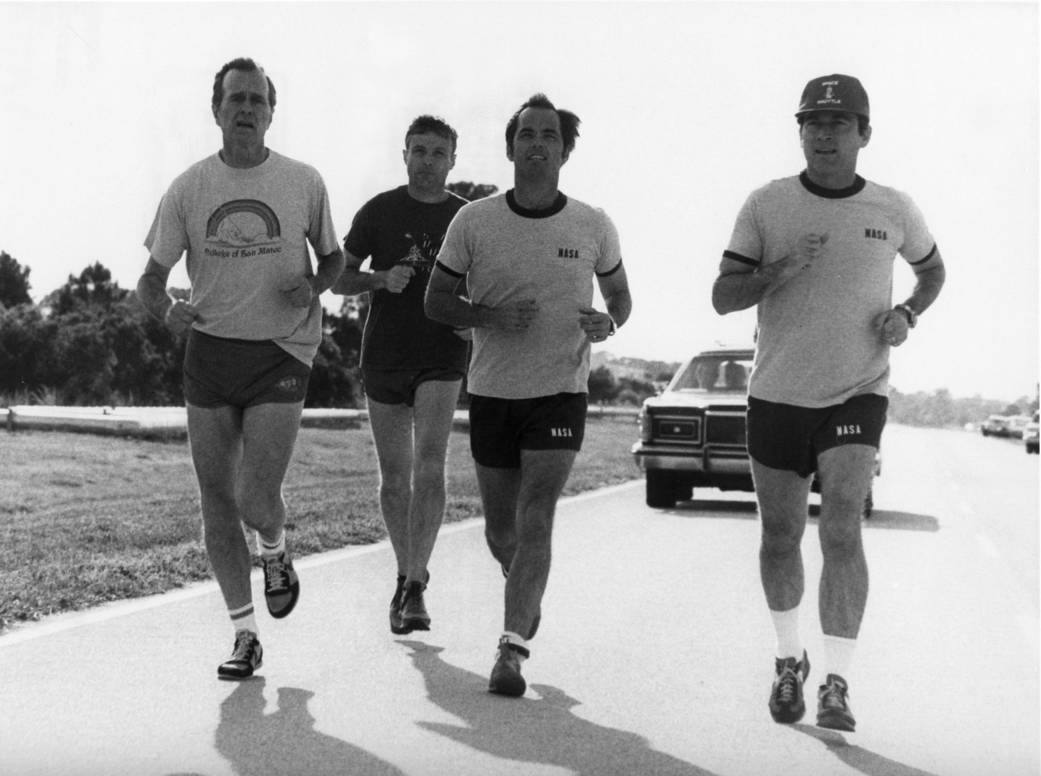
“The only thing getting scrutinized here is the performance of the politicians.”
Partisan Politics Over Practical Solutions
What was notably absent from the hearing was any collective acknowledgment of the necessity for bipartisan cooperation in tackling these complex issues. Instead, committee members engaged in a blame game, further widening the chasm between left and right. While the nation grapples with economic challenges, it is alarming how quickly political grandstanding has eclipsed the need for accountability.
The Democrats, in particular, have become so entrenched in their defense of social programs that they often overlook the inefficiencies within their own ranks. Yes, programs designed to assist the needy are essential, but when these programs are riddled with waste, they fail the very people they aim to help. Meanwhile, Republicans seem to have adopted a blanket opposition to any spending that does not fit their narrow definition of fiscal responsibility, often ignoring the broader implications of cuts to social services.
Accountability: A Lost Cause?
The lack of genuine oversight is perhaps best illustrated by the absence of any concrete plans presented during the hearing. While accusations flew, there was little in the way of actionable solutions. Instead, witnesses were invited who aligned with each party's narrative, further reinforcing the echo chamber effect. If accountability is the goal, then why were witnesses not challenged by diverse viewpoints that could lead to a fuller understanding of the issues?
Moreover, the public's trust in these hearings is waning. Citizens are becoming increasingly disillusioned with the idea that their representatives are working for them when, in reality, the stage often feels more like a wrestling match than a serious inquiry into national spending. It is a disservice to the American people when those in power prioritize their image over the trust that is so desperately needed in these institutions.
The Way Forward
To reclaim the purpose of oversight hearings, both parties must step away from their partisan lines and embrace a commitment to accountability that transcends political affiliation. This requires a willingness to listen - to one another, to experts, and to constituents. Only then can we hope to address the very real challenges that our nation faces.
✦ ✦ ✦