From the file. Written for the paper dated October 1985. Opened in the public stacks July 14, 2026.
As Congress continues to grapple with the complexities of governance, recent oversight hearings have illuminated the stark divides in American political discourse. The week has seen both parties engaging in theatrics that often overshadow substantive debate, leading to a growing frustration among the electorate.
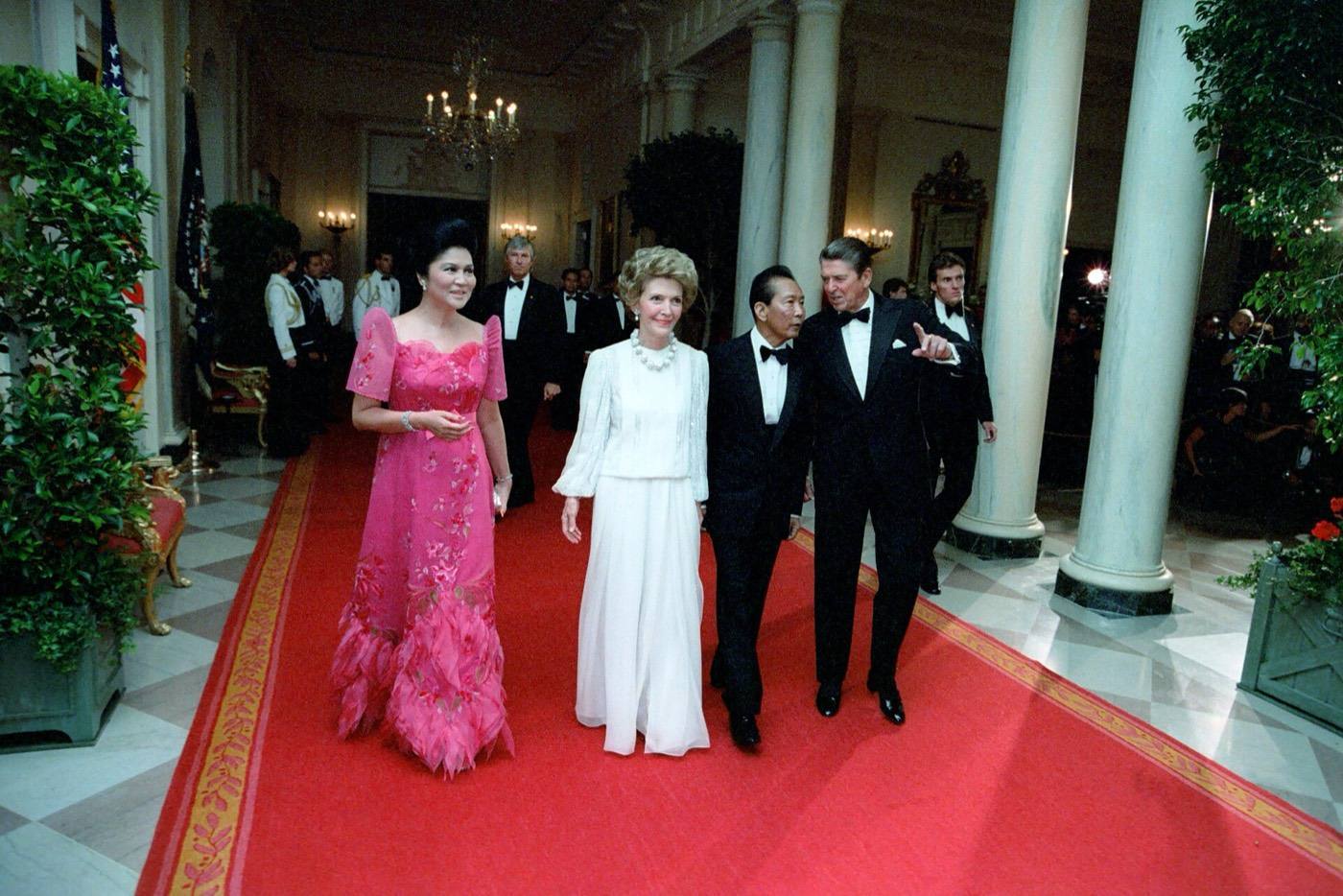
Theatrics Over Substance
The oversight hearing this week served as a vivid illustration of the excesses on both sides of the aisle. While Democrats aimed to expose alleged improprieties in the Reagan administration, their approach often veered into grandstanding, promoting a narrative that aligns more with political theater than with genuine accountability. Meanwhile, Republicans, in their effort to defend the administration, have frequently resorted to dismissive rhetoric, framing legitimate inquiries as partisan attacks.
"In this political climate, it seems that truth is often sacrificed on the altar of expediency."
What’s troubling is that both parties appear more invested in scoring points against one another than in addressing the pressing issues at hand. This week’s oversight hearing, meant to delve into allegations of misuse of federal funds, quickly devolved into a spectacle where soundbites took precedence over serious inquiry.
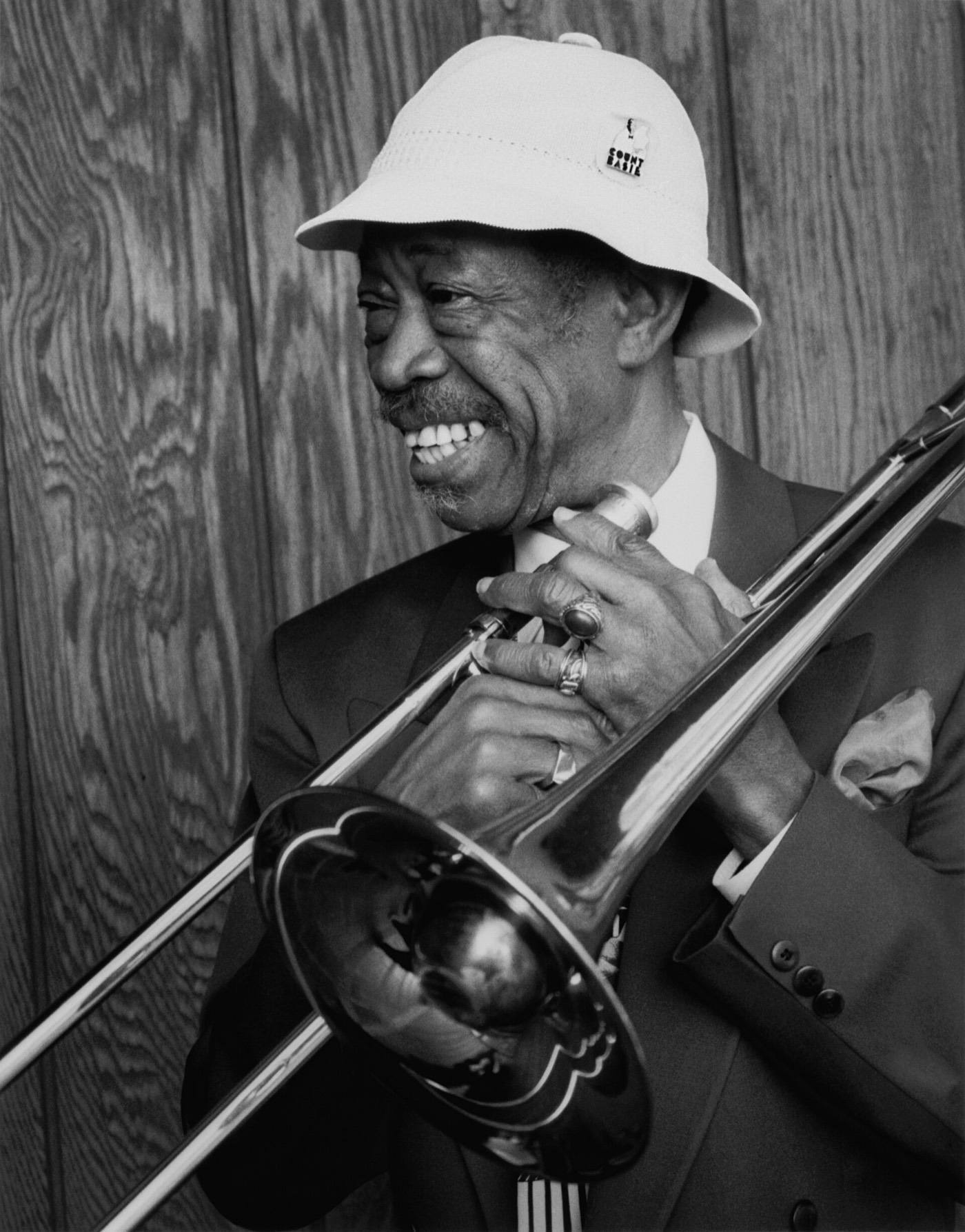
Polarization in Action
The polarization that has gripped Washington is palpable; each side seems entrenched in its positions, unwilling to consider the merits of the other’s arguments. Senators and representatives often speak in absolutes, disregarding the nuances that are essential to effective governance. This binary view not only alienates moderate voices but also breeds disillusionment among constituents who are eager for productive dialogue.
As the hearings unfolded, it became evident that both sides are guilty of excess. The Democrats, in their quest to hold the administration accountable, sometimes overstepped, leading to accusations that they were more focused on political gain than on genuine oversight. On the other hand, the Republicans have found themselves in a defensive posture, often resorting to ad hominem attacks rather than addressing the allegations directly. This inability to engage in constructive dialogue only serves to further entrench the divides that have come to characterize our political landscape.
The Role of the Media
Compounding this issue is the role of the media, which often amplifies the sensational aspects of the hearings rather than the substance. Coverage tends to focus on the most dramatic exchanges, feeding into the narrative that the hearings are more about political showmanship than about accountability. This not only misrepresents the true nature of the proceedings but also perpetuates the cycle of polarization, as the public is left with a skewed understanding of the issues at stake.
The media's fixation on conflict and controversy detracts from the more substantive discussions that are also taking place. There are real questions of governance and ethics that deserve rigorous examination, yet they are often overshadowed by the latest soundbite or viral moment that plays out in the hearing room.
A Call for Moderation
As the nation watches these proceedings unfold, there is a palpable yearning for moderation and reasoned debate. Both parties would do well to remember that their primary duty is to the American people, not to their political bases. There is a growing frustration among voters who feel that their concerns are being ignored in favor of partisan posturing.
Moving forward, it is essential that lawmakers take a step back from the brink of hyper-partisanship. By engaging in meaningful dialogue and addressing the issues at hand, they can begin to rebuild the trust that has been eroded over the years. The American public deserves representatives who prioritize integrity and accountability over political gain.
In conclusion, as this week’s oversight hearing illustrates, the challenges we face as a nation require collaborative solutions, not divisive tactics. Both sides must recognize the importance of listening and engaging with one another, rather than resorting to theatrics that serve only to deepen the chasm between them. It is time for our leaders to rise above the fray and commit to the kind of governance that the American people deserve.
✦ ✦ ✦