From the file. Written for the paper dated July 1985. Opened in the public stacks July 14, 2026.
As the nation prepares for the upcoming elections, the contentious issue of redistricting looms large over both sides of the political spectrum. This exercise in political maneuvering has become a flashpoint for partisan excesses, where the desire to solidify power often overshadows the fundamental principles of fair representation.
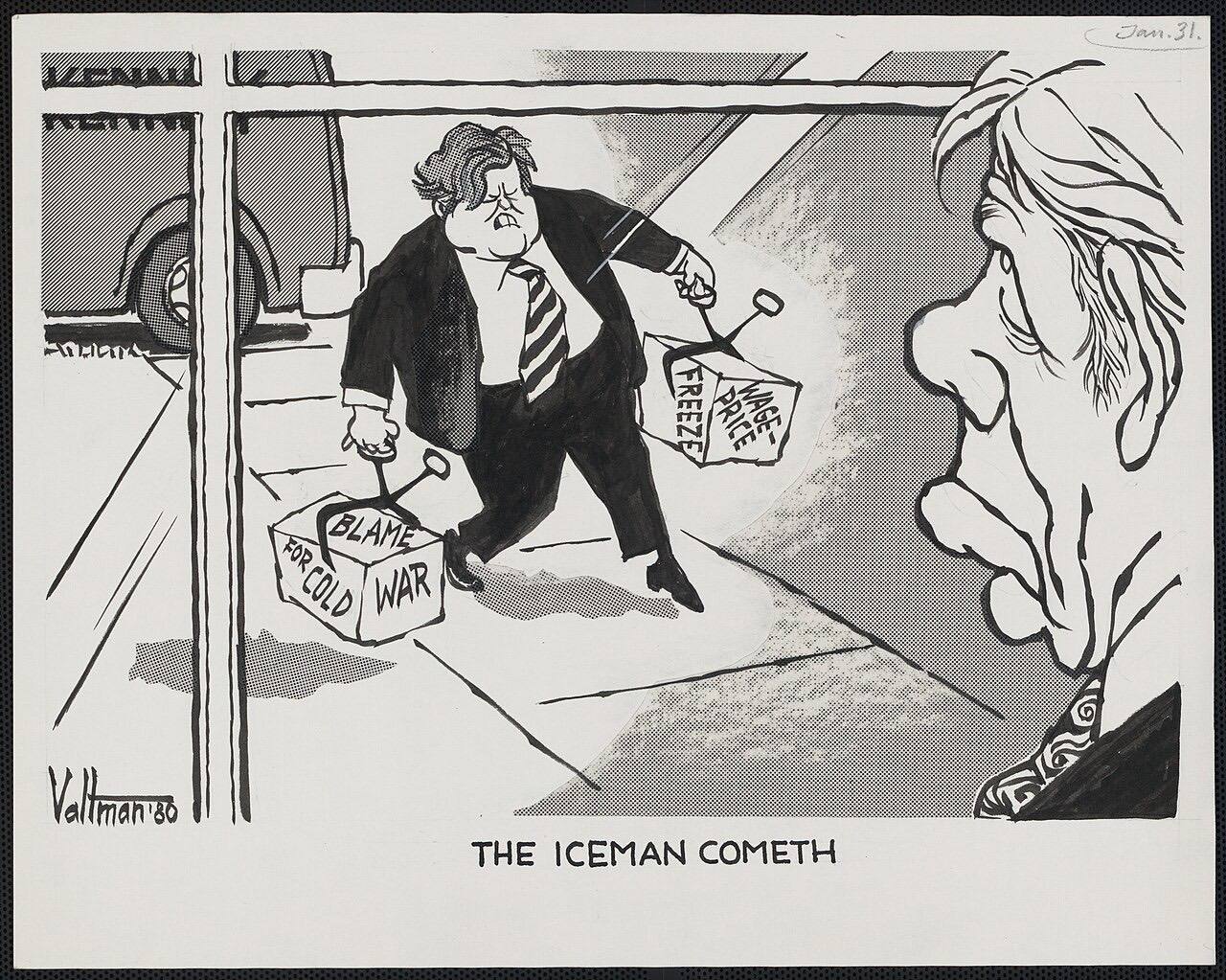
The Political Tug-of-War
Redistricting, the process of redrawing electoral district boundaries, is typically framed as a pragmatic necessity. It is meant to reflect population shifts and ensure that every citizen’s vote carries equal weight. However, it has increasingly morphed into a tool of partisan warfare, where both Democrats and Republicans engage in what can only be described as electoral gymnastics to secure their respective advantages.
At the heart of this issue is the 1980 Census, which revealed significant demographic changes across the United States. As states have gained or lost congressional seats based on population trends, the stakes of redistricting have never been higher. However, rather than focusing on creating districts that reflect these shifts, both parties have resorted to gerrymandering - a practice that has become synonymous with political expediency over representation.
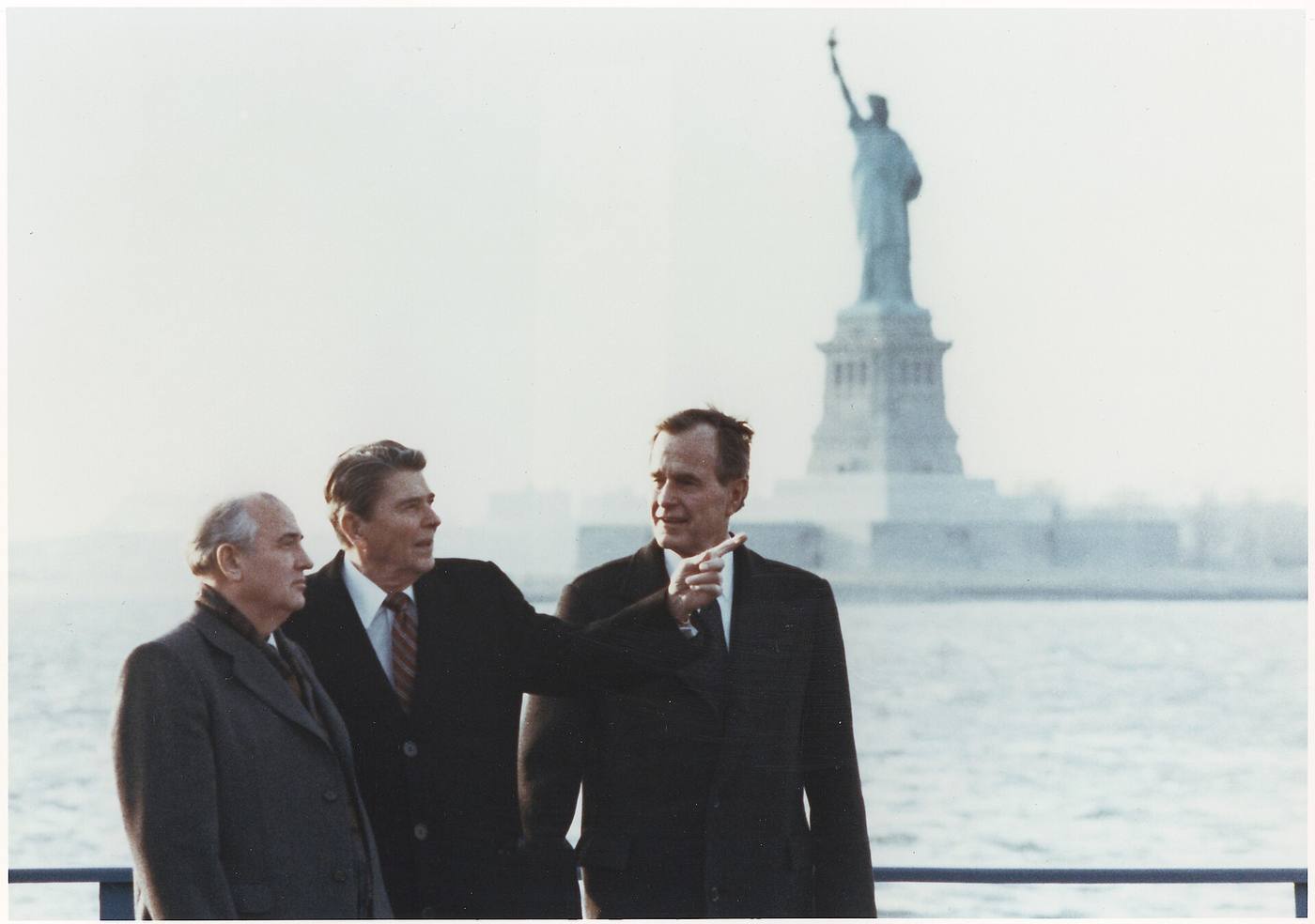
Partisan Excesses on Both Sides
The Democratic Party has often been criticized for employing gerrymandering to protect incumbents and create safe seats. In states like California and Illinois, Democratic-controlled legislatures have drawn districts that effectively dilute Republican influence. Conversely, Republicans have not shied away from similar tactics in states where they hold power, as evidenced by efforts in Texas and North Carolina. The result is a landscape where district lines are drawn not with the intent of fair representation, but rather to ensure party dominance.
This back-and-forth has led to increasingly convoluted district shapes, often resembling abstract art more than logical electoral boundaries. Critics argue that the manipulation of district lines undermines the very essence of democracy, which is built on the principle of equal representation. Moreover, when voters are essentially placed into districts designed to favor one party over the other, the voices of many go unheard.
"Gerrymandering not only distorts representation but also breeds cynicism among voters."
Furthermore, the consequences of these partisan games extend beyond mere electoral outcomes. As districts become more homogenous - either overwhelmingly Democratic or Republican - elected officials are less incentivized to reach across the aisle or engage with constituents who may hold differing views. This exacerbates polarization, resulting in a political climate where compromise is increasingly viewed as a sign of weakness rather than a necessary element of governance.
Evidence Over Identity
The current redistricting process highlights a fundamental question: should party affiliation dictate the drawing of district lines, or should evidence of population shifts and community interests take precedence? Advocates for reform argue that nonpartisan commissions should oversee the redistricting process, thereby removing the power from entrenched political interests. This approach has gained traction in several states, where voters have pushed for measures to ensure that district maps are drawn fairly.
But while the idea of nonpartisan redistricting commissions is appealing, it is not without its challenges. The implementation of such systems requires a broad consensus and a willingness to put aside partisan loyalties for the greater good. As we have seen in many political arenas, the notion of bipartisan cooperation is often easier said than done. The question remains whether a genuine commitment to fair representation can overcome the entrenched interests that have long dictated the rules of the game.
In an era where the political left and right are often locked in a battle for supremacy, the fate of redistricting may well determine the future of American democracy. As citizens become more aware of the implications of gerrymandering, there is hope that a collective push for reform will emerge. Voter apathy is a real threat to democratic engagement, and continued partisan excesses could push citizens further away from the electoral process.
The Path Forward
Ultimately, the path forward will require a concerted effort from all stakeholders - politicians, activists, and voters alike. The question of redistricting is not merely a technical matter of drawing lines on a map; it is a fundamental issue of who gets to participate in the democratic process. As the nation stands at a crossroads, the challenge will be to prioritize evidence over identity, ensuring that the redistricting process serves the interests of the many rather than the few.
In this moment of political polarization, it is imperative that we demand accountability from our leaders and advocate for transparency in the electoral process. If we allow gerrymandering to persist, we risk perpetuating a cycle of disenfranchisement that could have lasting consequences for generations to come. The time for change is now, and it starts with a commitment to fair representation for all.
✦ ✦ ✦