From the file. Written for the paper dated July 1985. Opened in the public stacks July 14, 2026.
As the nation gears up for the 1990 Census, a simmering battle over how we identify ourselves looms large. The stakes are high, and the players on both sides are ready to suit up, but do we truly understand the implications for our society?
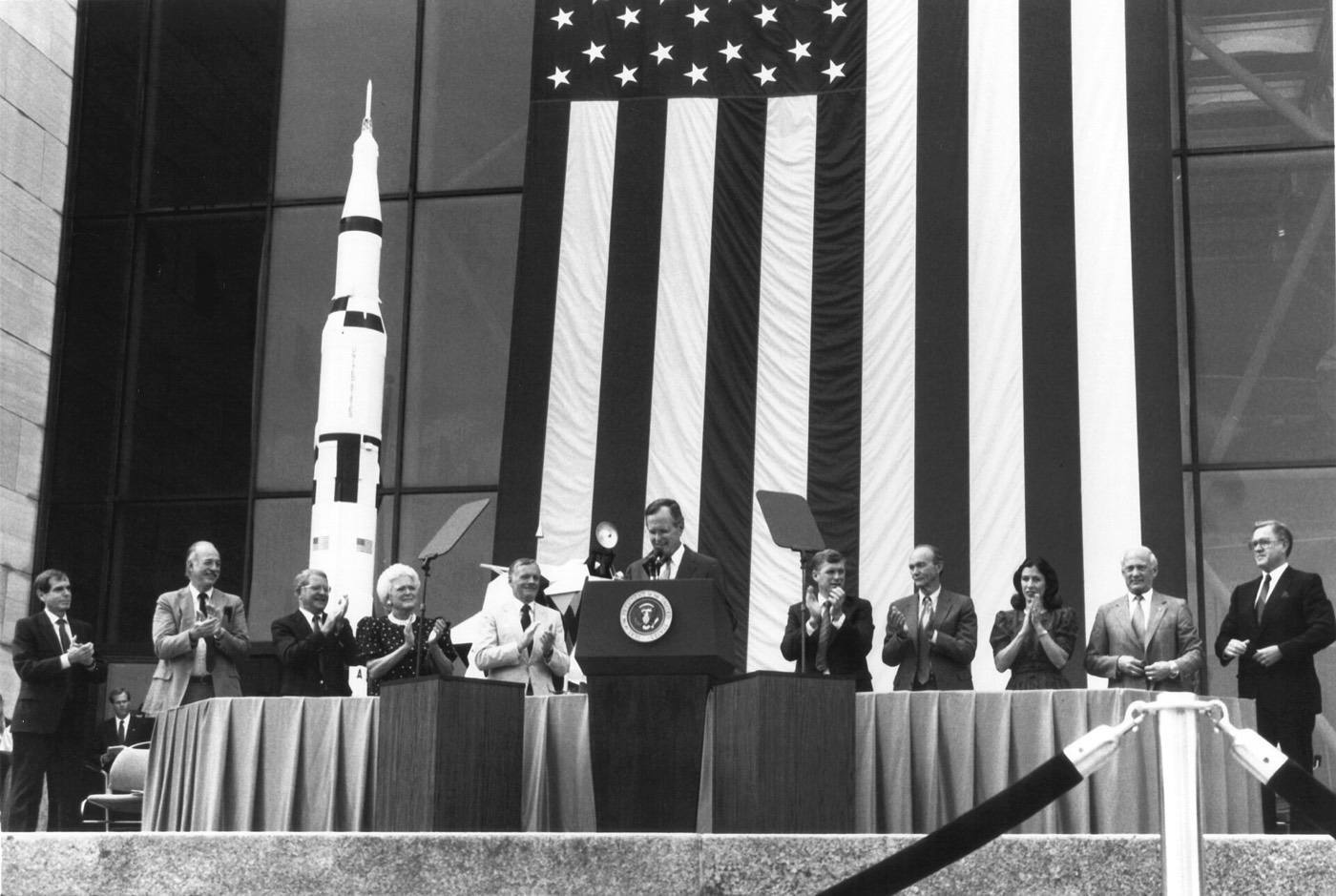
Census: A Reflection of Identity
The Census has always been more than just a count; it is a reflection of who we are as a nation. By gathering demographic data, we can identify trends, allocate resources, and shape policy. However, the upcoming Census is tainted by political maneuvering and ideological divides that threaten to distort its purpose.
On one side, we have proponents of a more inclusive approach to identity. They argue that the Census should allow for multiple identifiers, reflecting the complexity of modern American life. This perspective seeks to recognize the multitude of ethnicities, races, and cultural backgrounds that make up the tapestry of our society.
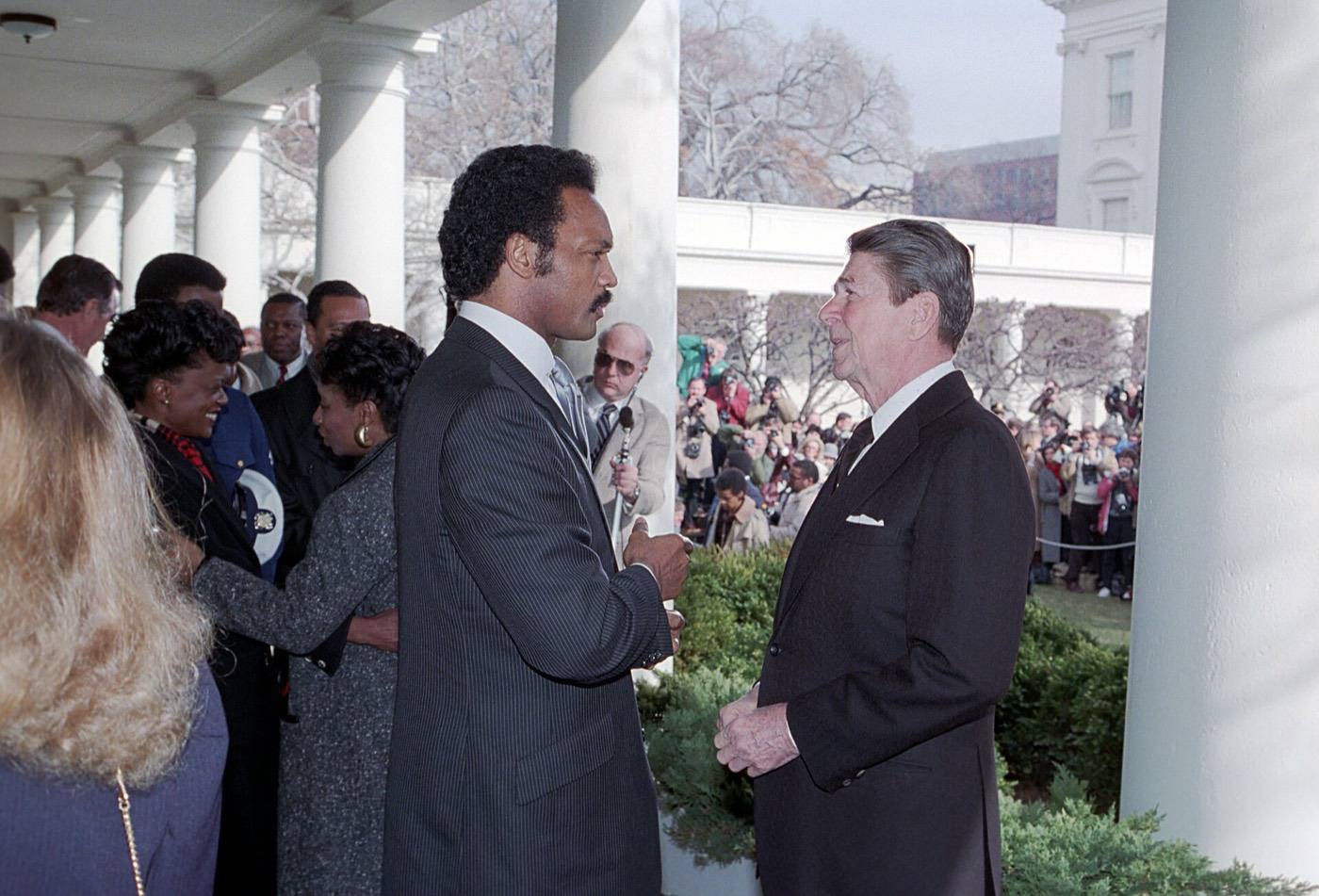
On the other side, there are those who cling to traditional classifications. They argue that simplifying identity categories is essential for data integrity and resource allocation. However, this insistence on a narrow definition of identity risks marginalizing entire communities who feel unseen and unheard.
“The Census is not just a tally; it's a statement of who matters in America.”
The Political Tug-of-War
The political landscape surrounding the Census is fraught with tension. The left emphasizes social justice, advocating for a Census that accurately reflects the diversity of the nation. They argue that an inaccurate count will lead to underfunding for vital services in minority communities. The right, however, raises concerns about political correctness and the potential for manipulating data to fit a narrative.
This clash of ideologies is not merely academic; it has real-world consequences. A Census that fails to capture the full spectrum of American identity can lead to skewed data that informs everything from education funding to congressional districting. The political ramifications are profound, as the distribution of power and resources hinges on who gets counted - and how.
Excesses on Both Sides
It is important to recognize the excesses that both sides of the aisle are currently exhibiting in this debate. The left’s push for an exhaustive and nuanced representation of identity can border on overreach. While it is vital to acknowledge the complexities of American identity, an overly complicated questionnaire may result in confusion and lower participation rates. The risk of alienating individuals who may feel overwhelmed by the options is very real.
Conversely, the right’s insistence on maintaining traditional categories can be equally damaging. In their quest for simplicity, they may ignore the lived realities of millions of Americans who do not fit neatly into predefined boxes. This rigid stance can stifle the progress that is necessary for a truly representative Census. It is not a question of whether we should count people; it is about how we count them.
A Call for Balance
The solution lies in finding a middle ground that respects both the complexities of identity and the necessity for accurate data collection. The Census must evolve as our society does, but it should not lose sight of its core mission: to count every person in the United States.
Engaging with communities to understand their needs and concerns is essential. This cannot be a top-down approach; it requires dialogue and collaboration. If we are to create a Census that serves everyone, we must listen to the voices of those who feel marginalized and ensure their perspectives are included in the process.
Conclusion: The Responsibility of Representation
The upcoming Census is more than a bureaucratic exercise; it is an opportunity to affirm our commitment to representation and inclusion. As we navigate the complexities of identity in America, we must resist the urge to oversimplify or politicize the issue. The Census is not merely a number; it is a reflection of our society and a testament to the diverse fabric of our nation.
Ultimately, we must ask ourselves: who do we want to be as a country? The answer to that question will shape not only the way we approach the Census but also the future direction of our society.
✦ ✦ ✦